



Imagine travelling all the way to Scotland, opening a menu, and discovering that the national dish sounds like something your friends invented to see whether you'd order it.
Scotland has dramatic castles, misty mountains, mysterious lochs, and a food called haggis.
That last one deserves a moment of attention.
“Haggis” sounds like the name of a grumpy wizard, a cartoon monster, or perhaps a suspicious creature hiding under your hotel bed. If a Scottish friend tells you that you absolutely must try some, you might wonder whether you're being welcomed into the local food culture—or gently pranked.
Good news: haggis is real. Bad news for anyone hoping to find a mythical animal: it's a dish, not a furry little creature roaming the Highlands.
And what a dish it is.
Haggis is one of Scotland's most famous traditional foods, with a history rooted in practical cooking and a cultural identity strengthened by poetry, celebrations, and centuries of Scottish pride. It may sound unusual, but behind the name is a hearty meal that has earned its place at the Scottish table.
So, let's lift the lid on this culinary mystery. Preferably before lunch.
1. What Exactly Is Haggis?
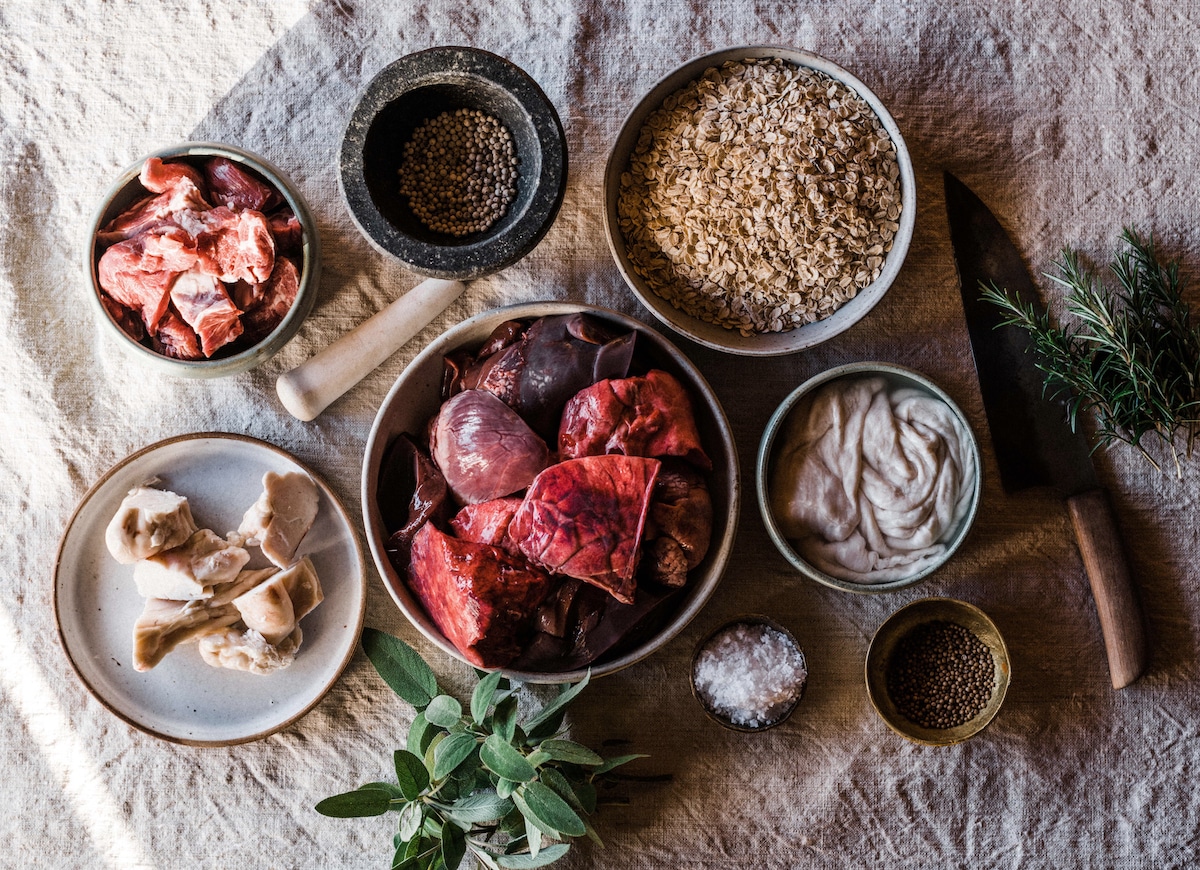
Let's address the question that might already be forming in your mind: what are you actually eating?
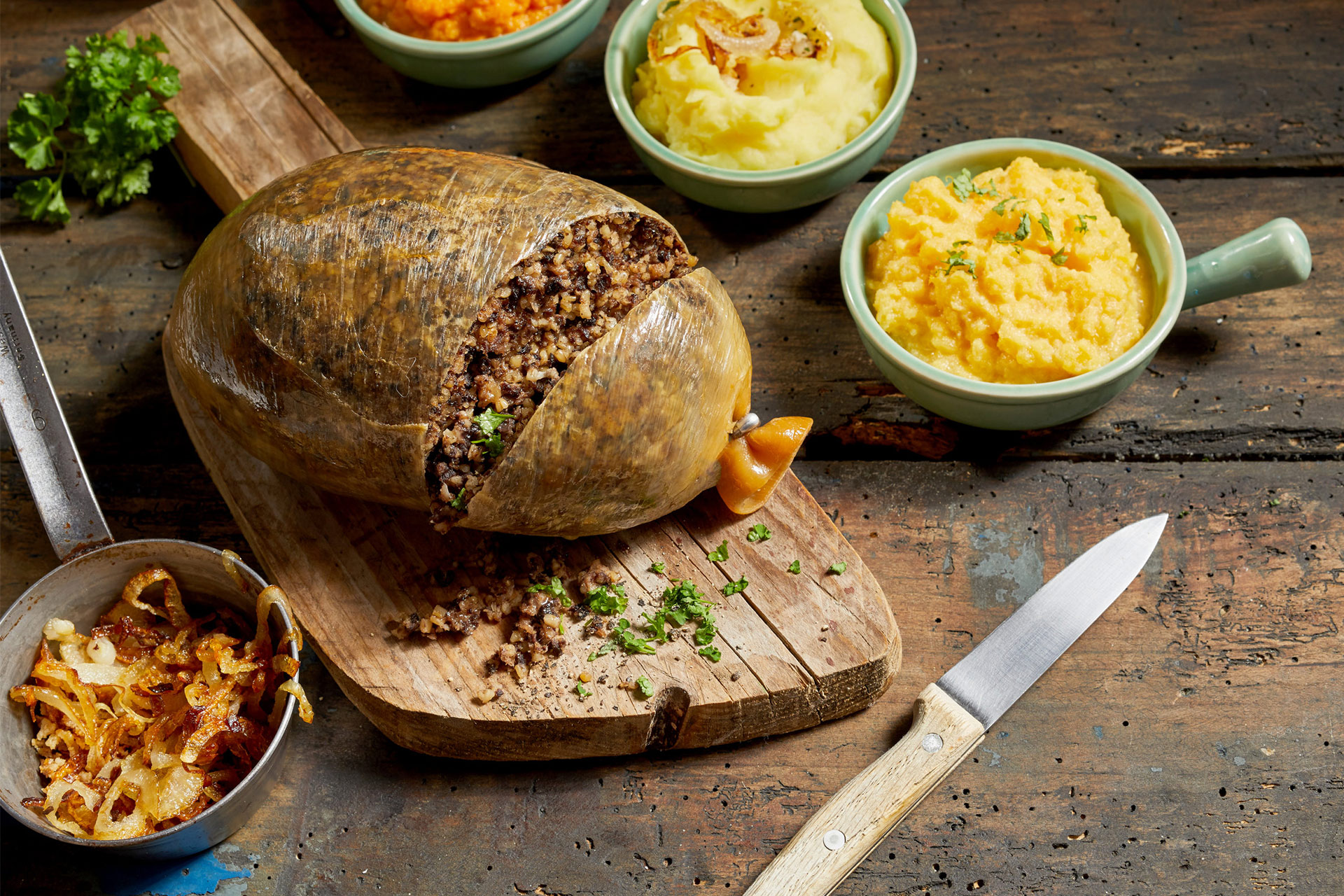
Traditional haggis is made from sheep's offal, including heart, liver and lungs, mixed with oatmeal, onions, suet, stock and seasonings. The mixture was traditionally cooked inside a sheep's stomach, which served as a natural casing. Today, commercially produced haggis is often prepared in modern casings instead.
If that description has made you pause halfway through your imaginary lunch, don't worry. You're not alone.
The ingredient list may sound unfamiliar to people who are used to meals built around neatly cut steaks or chicken breasts. But using different parts of an animal is an old culinary practice found in many countries. Before modern refrigeration and today's food supply systems, making good use of available ingredients was an important part of cooking.
Haggis belongs to that tradition of resourcefulness. Oats provide substance, onions and seasoning add flavour, and the mixture cooks into a rich, savoury dish with a crumbly texture.
It isn't a delicate little canapé designed to sit on a plate while everyone admires the garnish. Haggis is hearty food, built to satisfy a hungry person facing a cold Scottish day.
And Scotland has plenty of days when something warm and filling sounds like an excellent idea.
The modern version may look less mysterious than its traditional description suggests, but the name still has a remarkable talent for making visitors curious.
Or nervous.
Sometimes both.
2. Is Haggis Really Made from a Strange Highland Animal?
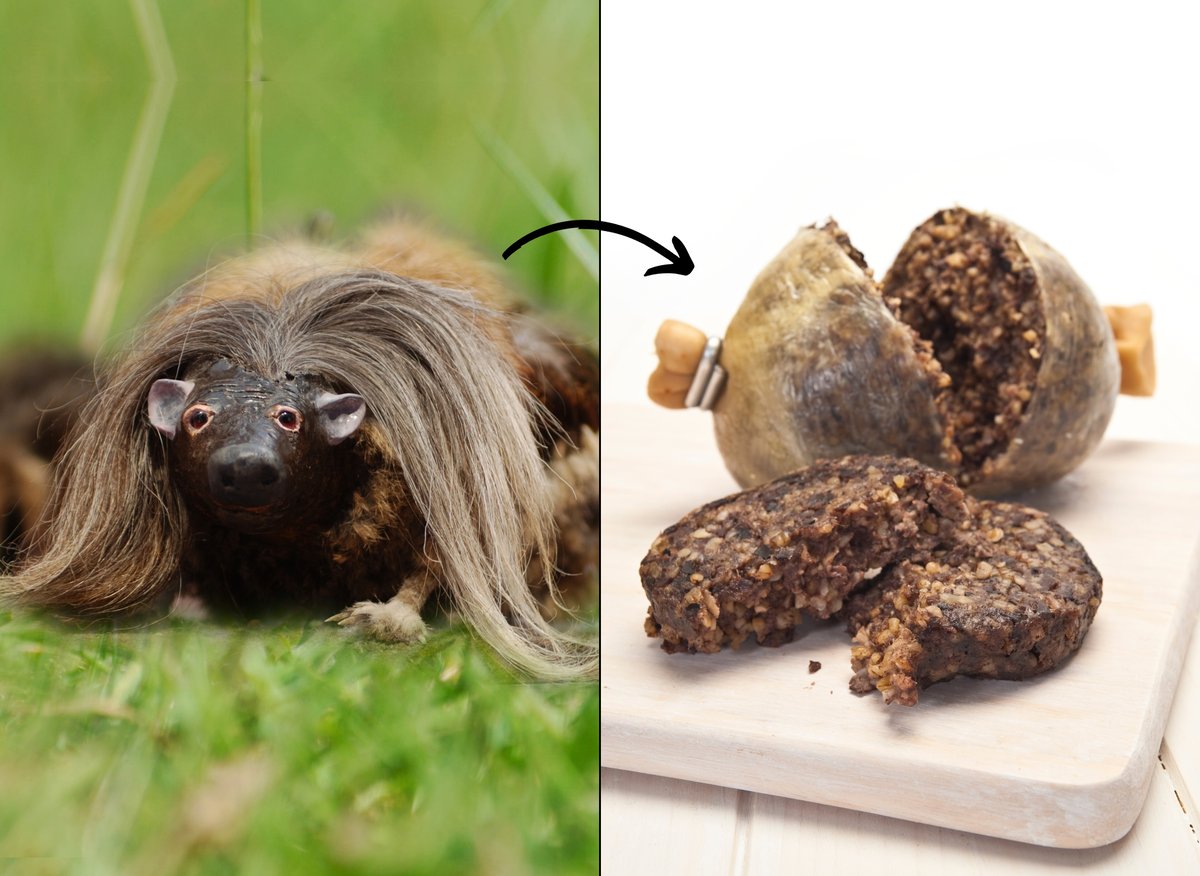
Here is where the story gets even better. Ask around about haggis, and you may encounter the legend of the wild haggis: a small, elusive creature supposedly native to the Scottish Highlands.
Depending on who's telling the story, it has legs of different lengths to help it run around steep hillsides. Catching one is apparently a challenge, and its unusual anatomy provides an explanation for how it manages the rugged landscape.
Is it real?
No. The wild haggis is a joke, a piece of Scottish folklore and tourist humour rather than an actual animal.
Yet the story is wonderfully effective. It takes a dish with an unusual name and turns it into a creature visitors can spend an afternoon pretending to search for.
Imagine asking a local where you can see wild haggis, only to receive a perfectly serious explanation about its preferred habitat. You might spend the rest of the day scanning the hills for a small animal with questionable leg design.
Meanwhile, the real haggis is waiting in a restaurant kitchen.
The joke works because Scotland has a rich landscape of folklore, legends and storytelling. The Highlands already seem like the natural home of mysterious creatures, so adding one more to the collection hardly feels unreasonable.
Just remember: if someone offers to take you on a wild haggis hunt, ask whether you're going to need hiking boots or simply a reservation at a pub.
3. A Dish with an Uncertain Past

Although haggis is firmly associated with Scotland today, its precise origins are difficult to pin down.
Food historians have explored different possibilities, including connections to older European traditions of combining chopped meat, offal and grains. Similar dishes have appeared in various cultures, so it would be misleading to claim that every part of haggis was invented in one Scottish kitchen on one glorious afternoon.
The historical record is complicated, and the dish evolved over time.
What is clearer is that haggis became an established part of Scottish food culture. Its ingredients reflect an older style of cooking in which practical use of available food mattered more than fashionable presentation.
And then poetry helped turn it into a national icon.
Enter Robert Burns, Scotland's celebrated poet, whose work gave haggis an extraordinary cultural spotlight.
In 1786, Burns published Address to a Haggis, a poem that celebrates the dish with affection and theatrical pride. He famously called it the “Great Chieftain o' the Puddin-race,” elevating a humble savoury pudding into something worthy of a grand introduction.
Imagine writing a poem about dinner and helping make that dinner one of the most recognizable symbols of your country.
Most of us struggle to write a decent birthday card. Burns managed to give a traditional dish a literary legacy.
His poem remains central to celebrations honouring his life and work, proving that food can be much more than something that disappears from a plate. It can become a symbol of identity, memory and belonging.
And, occasionally, the subject of a very dramatic dinner speech.
4. Burns Night: When Dinner Becomes a Performance
Every year, around 25 January, people in Scotland and communities around the world celebrate Burns Night, marking the birthday of Robert Burns.
At the centre of a traditional Burns Supper is haggis.
But this isn't simply a case of putting dinner on the table and asking everyone to pass the potatoes.
The event often includes speeches, poetry, music, toasts and the ceremonial arrival of the haggis. At traditional gatherings, bagpipes may accompany the dish as it is brought into the room. Burns's Address to a Haggis is then recited, often with considerable drama, before the haggis is cut and served.
Think of it as a cross between a family dinner, a poetry recital and a theatrical production in which the leading actor is a savoury pudding.
The contrast is delightful. A dish associated with practical, hearty cooking receives the kind of entrance usually reserved for royalty.
And why not? Food traditions often become meaningful through the rituals people build around them.
A familiar meal can bring generations together. A poem can turn an ordinary ingredient into a symbol of national pride. A shared supper can help people maintain a connection to their history, even when they live far from Scotland.
The first Burns Supper was held in 1801 by friends of the poet, and the tradition developed into the annual celebration familiar today.
So if you find yourself at a Burns Night event, don't be surprised if the haggis receives more attention than the person who spent the afternoon preparing the rest of dinner.
It has a very good publicist.
5. Neeps, Tatties and the Art of Making Friends with Haggis
Haggis is traditionally served with neeps and tatties: mashed turnips and mashed potatoes.
The combination is simple, comforting and practical. The potatoes provide a soft, creamy contrast, while the turnips add their own earthy sweetness. Together, they balance the rich, savoury flavour of the haggis.
Depending on the restaurant or recipe, you may also find a sauce served alongside it.
The plate isn't necessarily designed to win a prize for delicate presentation. Instead, it delivers the sort of meal that encourages you to sit down, eat properly and stop pretending that a tiny salad is going to keep you full until dinner.
The first encounter can be surprising, particularly if you expected something resembling a sausage. Haggis is usually softer and more crumbly, with a texture that comes from the combination of meat, oats and other ingredients.
Its flavour is savoury, peppery and rich, although the precise result varies by recipe and producer.
For curious travellers, the best approach is to keep an open mind. You don't need to pretend to love every traditional dish you encounter, but it's worth understanding what you're tasting before dismissing it based on its ingredient list.
After all, plenty of foods that sound unusual become favourites once people try them.
And if haggis doesn't become your new obsession, Scotland has plenty of other dishes to explore.
No one is going to confiscate your passport for preferring a bowl of soup.
Probably.
6. Haggis Has Entered the Modern Menu
Traditional food doesn't have to remain frozen in the past.
Across Scotland, haggis appears in a variety of modern dishes. Restaurants and food producers have experimented with serving it in different forms, including haggis bonbons, stuffed dishes and creative takes on familiar comfort food.
Some versions are designed to introduce the flavour to newcomers in smaller portions. Others combine it with international influences, proving that even a dish with a centuries-old reputation can find new audiences.
Vegetarian haggis is also widely available. These versions typically use ingredients such as pulses, vegetables, grains, oats and seasonings to create a savoury alternative.
That means you don't necessarily have to eat meat to participate in the tradition.
It's a useful reminder that food culture changes as people's tastes and dietary choices change. Preserving a tradition doesn't always mean preparing every dish exactly as it was made generations ago.
Sometimes it means finding new ways to keep it on the menu.
And sometimes it means serving haggis in a form that looks so familiar you can enjoy it before remembering what the original ingredient list contained.
Food has a sense of humour, too.
7. Should You Try Haggis in Scotland?
If you're travelling through Scotland, haggis is worth considering—not because every visitor must love it, but because it offers a window into the country's culinary history and cultural identity.
You can find it in traditional meals, pubs, restaurants and special Burns Night menus. If you're curious, ask how the dish is prepared and whether the establishment offers a traditional or vegetarian version.
It's also worth checking the ingredients before ordering, especially if you have dietary restrictions or food allergies.
And don't judge the dish entirely by its name. “Haggis” may sound like a creature that steals socks from hotel rooms, but the food itself is a product of cooking traditions, changing tastes and cultural pride.
You might love it. You might decide that one taste is enough for your lifetime. Either reaction is perfectly reasonable.
The important thing is to approach unfamiliar food with curiosity rather than assuming that an unusual ingredient list tells the whole story.
Because the real surprise isn't that Scotland has a national dish made from ingredients some visitors might not expect.
It's that this humble, practical meal became the centrepiece of a celebration involving poetry, music and a room full of people treating dinner like a cultural event.
The Dish That Sounds Like a Joke—but Isn't
Haggis may never win a competition for the most immediately reassuring food name. It isn't trying to.
Its appeal lies in its flavour, its history and the traditions that surround it. It tells a story about resourceful cooking, celebrates the work of a beloved Scottish poet and brings people together at Burns Suppers around the world.
And somewhere in the Scottish Highlands, the imaginary wild haggis continues to enjoy an excellent reputation despite having never been caught on camera.
So, next time you see haggis on a menu, don't panic.
It isn't a prank. It isn't a mythical animal. And it certainly isn't a test designed to determine whether you're worthy of entering Scotland.
It's a traditional dish with a surprisingly rich story.
Although if someone tells you that the wild version tastes better, you may want to ask for a second opinion.
Preferably from someone who works in a kitchen.