
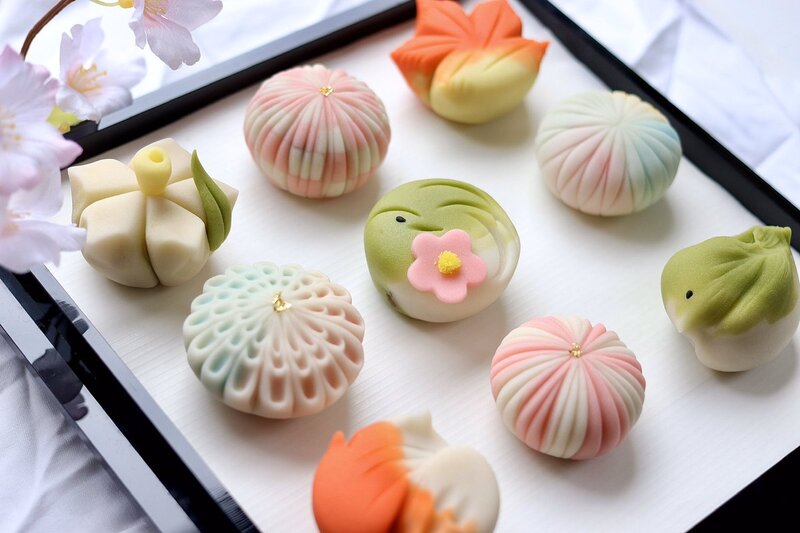

Imagine walking into a Japanese sweet shop and finding a tiny collection of colourful flowers, autumn leaves, cherry blossoms and delicate little snow-covered landscapes.
You admire them through the glass display. They're so perfectly shaped that you almost feel guilty looking at them for too long.
Then you discover they're actually sweets.
Welcome to the wonderful world of wagashi, traditional Japanese confections that are almost too beautiful to eat.
Almost.
Because no matter how pretty a little flower-shaped sweet looks, eventually curiosity wins. You take a bite, discover a soft, sweet filling and realise that the tiny work of art was made to be enjoyed, not kept behind glass forever.
But wagashi are much more than attractive desserts. They're closely connected to Japanese seasons, nature, traditional celebrations and the country's appreciation of small details.
And perhaps the most surprising thing is that some of these sweets are designed to tell you what time of year it is — without needing a calendar.
What Exactly Is Wagashi?
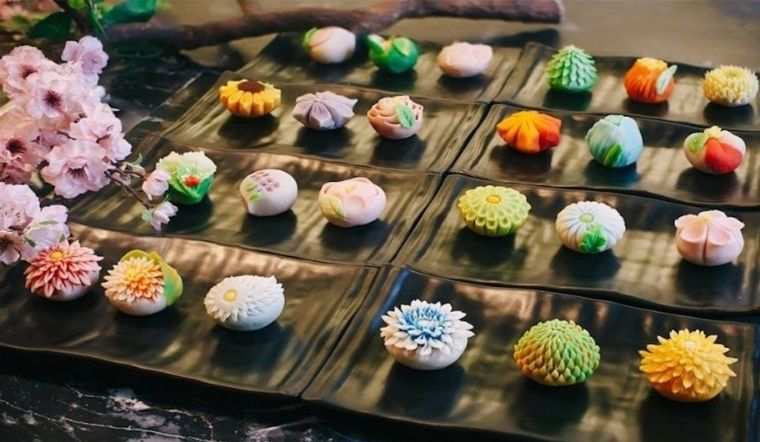
 Wagashi is the general Japanese term for traditional Japanese sweets, distinguishing them from Western-style confections, often called yogashi.
They come in an enormous variety of shapes, textures and flavours. Some are made with rice flour, glutinous rice, sweet bean paste, sugar or natural ingredients such as chestnuts and sweet potatoes.
One of the most familiar ingredients is anko, a sweet paste made from azuki red beans. It may sound unusual if you've never tried sweet beans before, but it's a classic part of Japanese confectionery.
Depending on the recipe, anko can be smooth and creamy or contain small pieces of beans. It appears in many popular Japanese treats, including daifuku, dorayaki and manju.
Wagashi can be steamed, baked, moulded, rolled or shaped by hand. Some are soft and moist, while others are dry and crisp.
But what really makes many traditional wagashi special is their appearance.
Rather than simply making a sweet look attractive, artisans often design it to represent something from the natural world: a flower opening in spring, a stream in summer, colourful leaves in autumn or snow in winter.
It's almost as if someone decided that ordinary desserts weren't decorative enough and turned an entire garden into an edible collection.
Nerikiri: Tiny Edible Works of Art
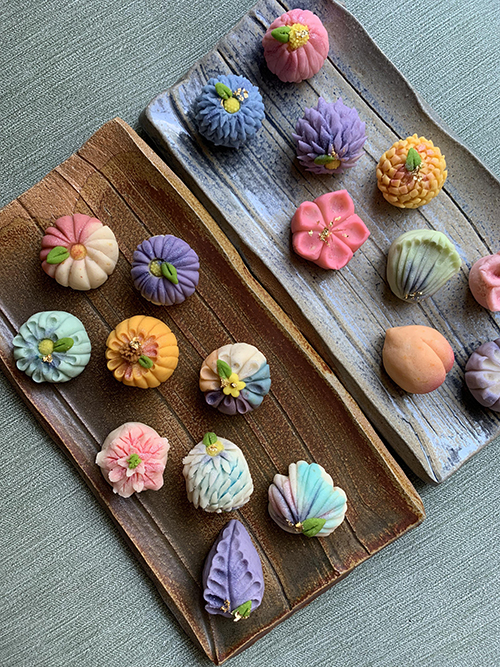
If there's one type of wagashi that perfectly demonstrates the artistic side of Japanese sweets, it's nerikiri.
These delicate confections are commonly made from white bean paste combined with soft rice-based ingredients such as gyuhi. The mixture can be coloured and shaped into intricate designs, often with the help of small tools and remarkable hand skills.
A skilled artisan can transform a simple piece of dough into a cherry blossom, a chrysanthemum, a maple leaf or even a tiny landscape.
The results can be astonishing.
Some sweets have delicate petals, subtle colour gradients and tiny details that look almost too precise to have been made by human hands.
You might find a pale pink flower representing spring, a blue-and-white design suggesting flowing water, or a bright orange leaf celebrating autumn.
And the really clever part? Many of these designs are made using essentially the same basic ingredients. The season is expressed through colour, shape and presentation.
Imagine having a job where your daily task is to turn bean paste into miniature flowers.
It sounds peaceful, artistic and wonderfully satisfying — although I suspect one badly placed finger could turn a beautiful cherry blossom into something resembling a squashed tomato.
Four Seasons, Four Different Desserts
Japan's changing seasons play an important role in its food culture. Wagashi reflects this appreciation by changing its ingredients, colours and designs throughout the year.
Some sweets are closely associated with particular months or festivals, while others use artistic shapes to suggest the scenery of the season.
Let's take a little tour through the Japanese calendar — one sweet at a time.
Spring: Cherry Blossoms You Can Eat

Spring in Japan means cherry blossoms, or sakura. Parks and streets turn shades of pink, and people gather to enjoy the flowers during the famous hanami season.
Naturally, wagashi makers have found a way to bring that atmosphere into their sweets.
One popular example is sakuramochi, a soft pink rice-based sweet filled with sweet red bean paste and wrapped in a salted cherry leaf.
The leaf adds a distinctive fragrance and a gentle salty contrast to the sweetness.
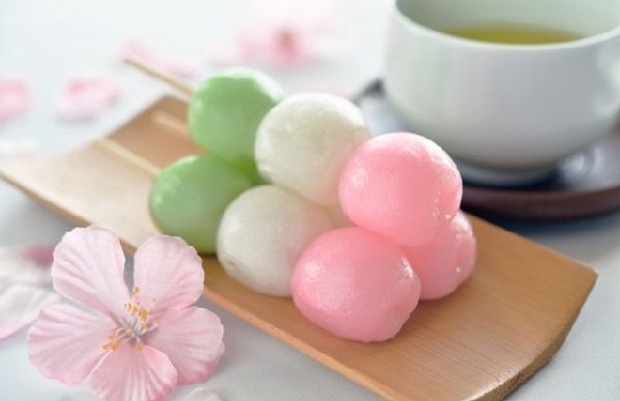
Another spring favourite is hanami dango, colourful rice dumplings traditionally associated with cherry blossom viewing. The three colours — often pink, white and green — create a cheerful little combination.
Then there are nerikiri sweets shaped like delicate sakura blossoms.
They're so pretty that you might spend several minutes photographing one before finally deciding that your camera roll has enough pictures.
Spring wagashi captures the feeling of a season that is beautiful but fleeting. Cherry blossoms don't stay forever, and neither do the sweets inspired by them.
Summer: Desserts That Look Cool Even Before You Eat Them
Japanese summers can be hot and humid, so summer wagashi often focuses on light textures, refreshing flavours and appearances that suggest coolness.
One example is kuzuzakura, a delicate sweet made using kudzu starch and filled with sweet bean paste. Its translucent outer layer can resemble a little drop of water.
Another popular choice is mizuyokan, a chilled jelly-like confection made with sweet bean paste and agar.
Unlike the more elaborate flower-shaped sweets, mizuyokan has a simple, smooth appearance. It is often served cold, making it a refreshing treat during warm weather.
Summer nerikiri may also feature images of flowing streams, morning glories and other seasonal scenes.
It's rather clever. When the temperature outside is making you reconsider every decision that brought you outdoors, a sweet that looks like cool water is already doing half the work.
Autumn: Maple Leaves, Chestnuts and Warm Colours
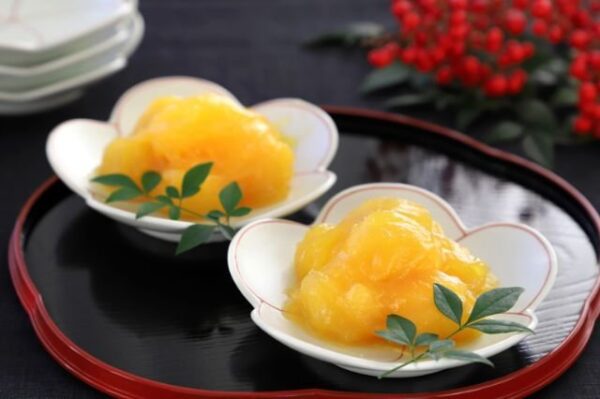 Autumn is perhaps one of the most visually beautiful seasons for wagashi.
As leaves turn red, orange and golden yellow, confectioners recreate the changing landscape through their sweets.
Nerikiri shaped like maple leaves are particularly popular, sometimes featuring several shades of colour to imitate the appearance of real foliage.
Autumn is also the season for ingredients such as chestnuts and sweet potatoes.
Kuri kinton, a sweet chestnut-based confection, is one example. Kuri mushi yokan, a steamed sweet bean jelly containing chestnuts, is another.
These treats have a richer, warmer character than many summer sweets.
And if you enjoy chestnuts, autumn in Japan can be a dangerous season for your dessert budget.
There are simply too many delicious reasons to stop at every sweet shop.
Winter: Snowflakes and Little Flowers
Winter wagashi often features elegant designs inspired by snow, evergreen plants and flowers that bloom during the colder months.
White and pale pink colours are common, creating a delicate appearance that suits the season.
One traditional New Year sweet is hanabiramochi, a soft, folded mochi confection associated particularly with Kyoto. It contains sweet white miso bean paste and a piece of sweetened burdock root, which is visible through the thin outer layer.
Its shape and ingredients carry symbolic meanings connected with the New Year.
Winter nerikiri may also resemble camellias, plum blossoms or snow-covered landscapes.
There's something charming about eating a tiny flower while the weather outside is cold. It's like having a little piece of spring before spring has even arrived.
Why Do Japanese Sweets Change With the Seasons?
 This seasonal approach isn't simply a marketing trick to persuade people to buy more desserts.
It reflects a broader appreciation of nature and the passing of time in Japanese culture.
The Japanese concept of enjoying seasonal beauty appears in many aspects of everyday life, including food, flower arrangement, clothing, gardens and traditional celebrations.
Wagashi is one of the most delicious ways of expressing that idea.
A confectioner doesn't necessarily need to use a different recipe for every season. Sometimes changing the shape or colour of a sweet is enough to evoke a particular moment in nature.
A small red leaf can suggest autumn. A pale pink flower can announce spring. A translucent jelly can remind someone of a cool summer stream.
These details encourage people to notice the world around them.
And there's another interesting tradition: some seasonal wagashi are only available for a limited period. Once their season has passed, they disappear from shop displays until the following year.
So if you see a beautiful seasonal sweet that you like, don't assume you can come back next month.
In Japan, even desserts have seasonal schedules. Apparently, nobody told them that some of us want strawberry season to last twelve months.
The Perfect Partner for Japanese Tea
Wagashi is closely associated with Japanese tea culture, particularly the traditional tea ceremony.
In formal tea gatherings, carefully selected sweets are served alongside matcha, the finely powdered green tea.
The combination is not accidental.
Many wagashi have a delicate but noticeable sweetness, while matcha has a distinctive earthy flavour and slight bitterness. Together, they create a balance that makes each taste more enjoyable.
The sweet also contributes to the atmosphere of the gathering.
Its appearance, name and seasonal meaning can complement the tea utensils, flowers and decorations used in the room.
In other words, the experience is not only about drinking tea and eating something sweet. It's about appreciating the small details.
Of course, you don't need to attend a formal tea ceremony to enjoy this combination.
You can simply buy a piece of nerikiri, prepare a cup of matcha and enjoy a quiet afternoon.
Just be careful when choosing your sweet. If you pick one that looks like a tiny flower, you may spend so long admiring it that your tea gets cold.
The History Behind These Little Masterpieces
Wagashi has a long history, with roots reaching back many centuries.
Early Japanese sweets were quite different from the elaborate confections found in specialist shops today. Over time, Japanese confectionery developed through interactions with Chinese food traditions, the spread of tea culture and the arrival of Western ingredients and techniques.
The Edo period (1603–1868) was particularly important.
As urban culture developed and ingredients such as sugar became more widely available, Japanese sweets became increasingly sophisticated. Craftsmanship improved, and confectioners created more refined designs and varieties.
The tea ceremony also helped shape the development of high-quality wagashi.
In particular, sweets served during formal tea gatherings became closely associated with seasonal themes and elegant presentation.
Today, wagashi continues to be made by traditional family businesses, specialist confectioners and modern pastry chefs who experiment with new flavours and designs.
Some artisans preserve centuries-old techniques, while others introduce contemporary interpretations.
Despite all these changes, the connection with nature and the seasons remains one of its most recognisable features.
Can You Really Eat Something That Beautiful?
 Yes. And you absolutely should.
If you're visiting Japan, traditional sweet shops are wonderful places to discover wagashi. Kyoto is particularly famous for its confectionery culture, but you'll find regional sweets throughout the country.
Look for seasonal nerikiri in specialist shops, especially if you're visiting during spring or autumn.
You might also want to try:
- Daifuku: Soft mochi filled with sweet bean paste, sometimes with fresh fruit.
- Dorayaki: Two fluffy pancakes joined by a layer of sweet red bean paste.
- Sakuramochi: A pink springtime sweet wrapped in a fragrant salted cherry leaf.
- Yokan: A firm, jelly-like sweet usually made with bean paste and agar.
- Dango: Chewy rice dumplings, often served on skewers.
Not every wagashi is an elaborate miniature sculpture. Some are simple, rustic and wonderfully comforting.
And that's part of the fun. You can explore the artistic side of Japanese sweets while also discovering everyday treats that have been enjoyed for generations.
One final tip: if you buy delicate fresh wagashi, check the shop's storage and best-before instructions. Some varieties are best enjoyed on the same day.
These little works of art aren't necessarily designed for a long journey in your suitcase.