
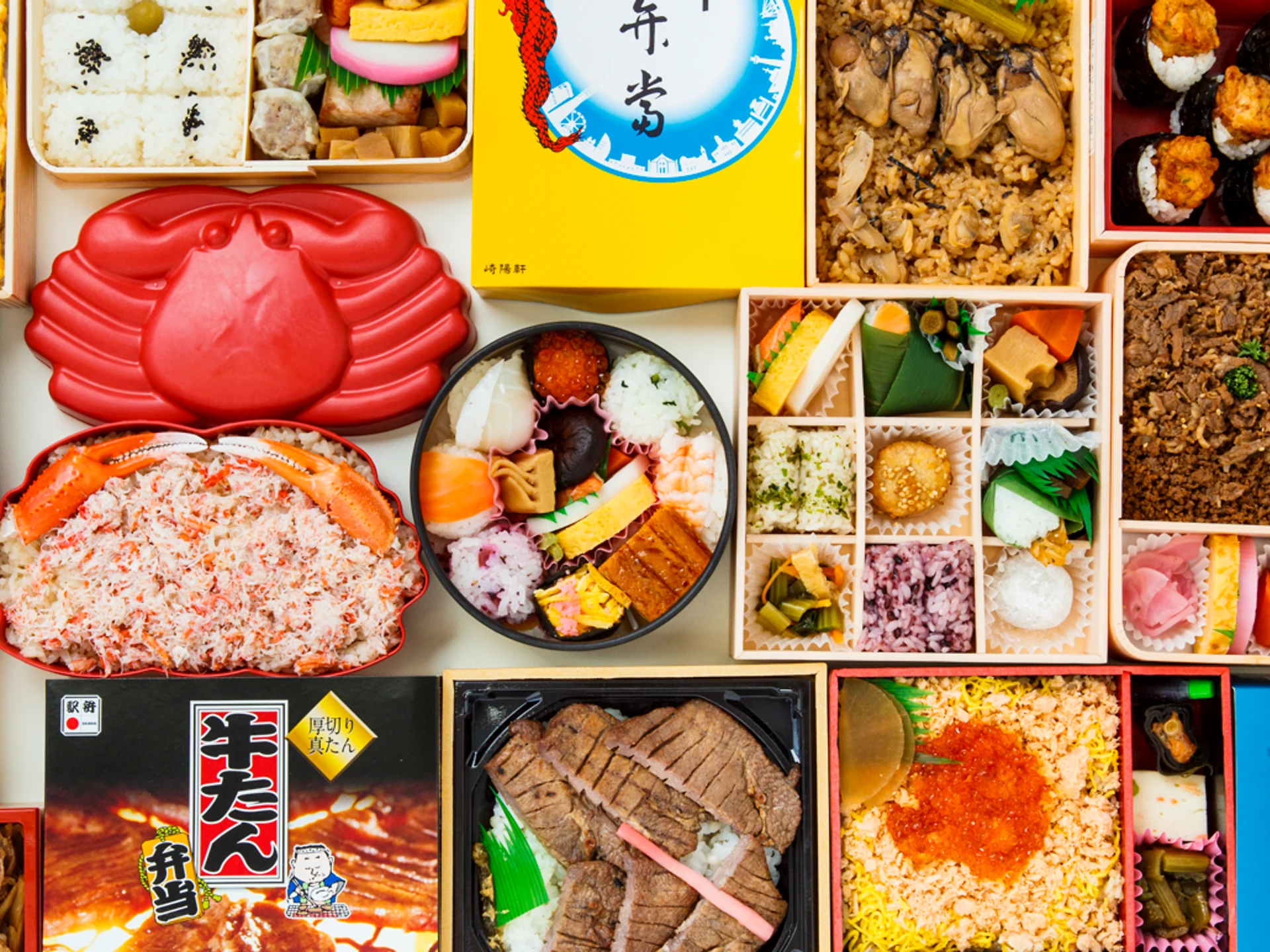
Imagine ordering dinner and receiving a tiny garden, a bowl of soup, a piece of fish, and something so beautifully arranged that you briefly feel guilty about eating it.
Welcome to kaiseki, Japan’s traditional multi-course dining experience, where dinner is not just about filling your stomach. It is about tasting the season, admiring nature, and occasionally wondering whether you should eat the food or apologize for destroying the artwork.
Spoiler: eat it. That is the point.
A Dinner That Changes With the Weather
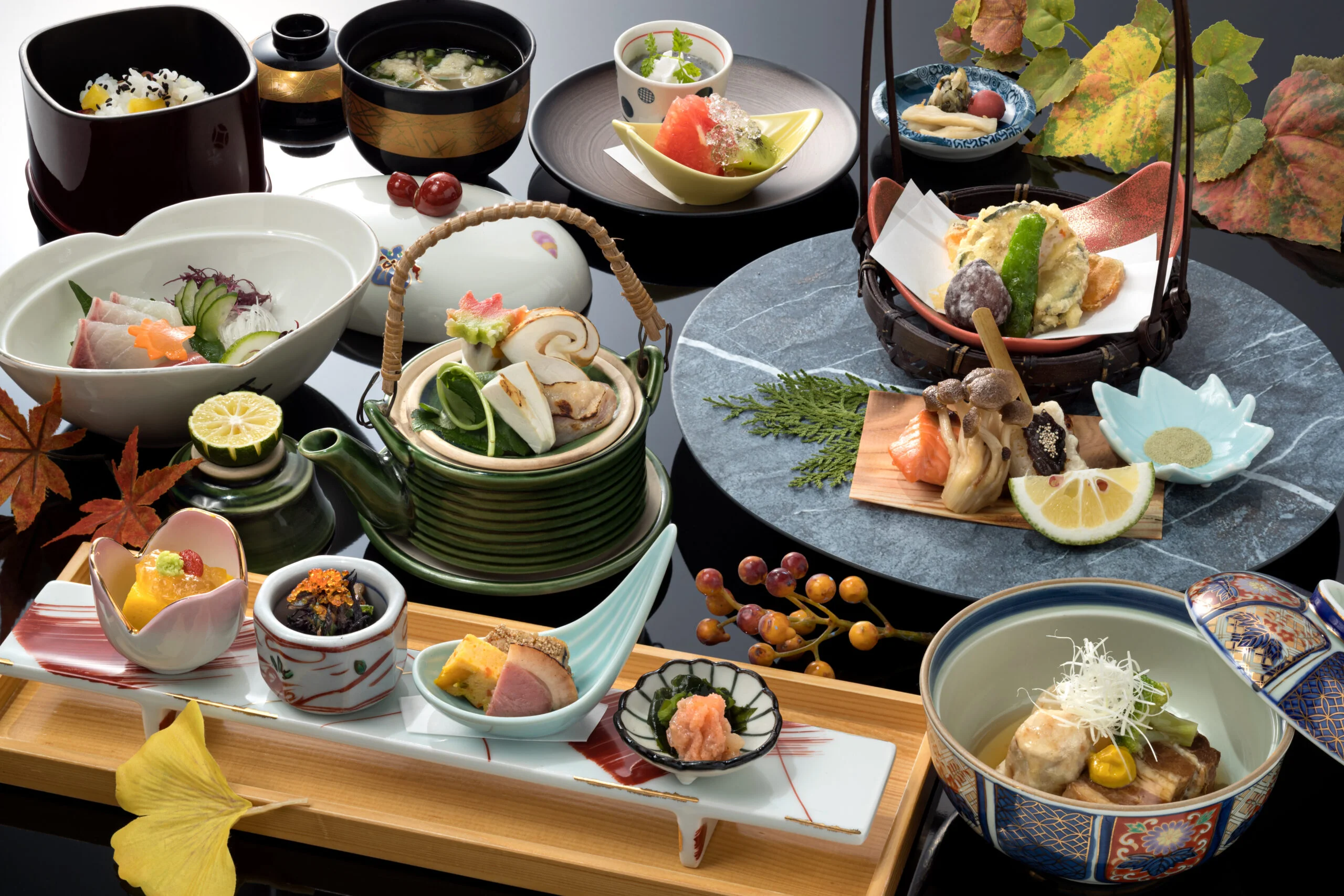
Kaiseki is built around seasonal ingredients, careful preparation, and elegant presentation. Rather than serving everything at once, the chef brings out a series of small dishes, each designed to complement the others.
The menu changes throughout the year because Japanese food culture places great importance on shun—the moment when an ingredient is at its best.
In spring, you might find tender bamboo shoots, fresh greens, or dishes inspired by cherry blossoms. Summer brings refreshing ingredients and lighter presentations. Autumn celebrates mushrooms, chestnuts, and the rich colors of changing leaves. Winter favors comforting flavors and seasonal root vegetables.
In other words, nature updates the menu, and the chef follows the release schedule.
Forget ordering the same dish every time you visit. In a good kaiseki restaurant, the season gets a starring role.
Small Plates, Big Personalities
One of the first things you notice about kaiseki is the size of the portions.
A dish arrives. It is beautiful. You take a bite. It is delicious.
Then it disappears.
You look at the empty plate with the quiet sadness of someone whose favorite television show has just been canceled.
But kaiseki isn't meant to overwhelm you with one enormous serving. Each course offers a different flavor, texture, temperature, or ingredient. A delicate soup might be followed by sashimi, grilled fish, simmered vegetables, rice, and seasonal sweets. The exact courses vary by restaurant and season.
The fun is in the variety. Instead of one main character dominating the entire meal, every dish gets its own moment.
And just when you think you understand the menu, another little plate appears looking like it has a master's degree in presentation.
The Plate Is Part of the Story
Here is where things get particularly Japanese: the dish itself matters almost as much as the food.
A chef might serve a summer course in delicate glassware to suggest coolness and freshness, then choose earthy pottery in winter to create a warmer feeling. Plates, bowls, leaves, and seasonal decorations can echo the landscape outside.
A leaf might suggest autumn. A flower can hint at spring. The colors of the ingredients may reflect the season before you have even tasted them.
It is a little like receiving a postcard from nature, except the postcard is edible and costs considerably more to produce.
Even the empty space on a plate can be intentional. The chef is not necessarily forgetting to add more food. The food is simply being given room to breathe.
This is excellent news for the artistically minded and potentially confusing news for anyone who believes a plate should be filled to the edges.
Eating With All Five Senses
Kaiseki asks you to slow down.
Notice the fragrance rising from a bowl of soup. Look at the contrast between a bright vegetable and a dark ceramic plate. Taste the difference between crisp, tender, silky, and chewy textures. Pay attention to how a warm dish feels after something cool.
The experience is designed to engage more than your appetite. It reflects a broader Japanese appreciation for nature, hospitality, and the passing seasons.
Of course, you don't need to sit there analyzing every bite like a food critic writing a very serious report.
Sometimes a perfectly reasonable response is simply, “That is delicious. I have no idea what it is, but I would happily eat it again.”
Curiosity is part of the experience, too.
Where to Try Kaiseki in Japan
Kyoto is an especially appealing destination for a kaiseki meal, thanks to its historic culinary traditions and strong connection to seasonal Japanese cuisine. You may encounter kaiseki at specialist restaurants, traditional inns known as ryokan, and selected hotels.
A kaiseki dinner can be a special occasion, so prices vary considerably depending on the restaurant, ingredients, and number of courses. It is worth checking the menu and cost before booking.
If you are staying at a ryokan, ask whether dinner is included. Some offer elaborate seasonal meals as part of the overnight experience, giving you a chance to enjoy the food alongside traditional architecture and hospitality.
And remember: you do not need to identify every ingredient or know the correct name for every tiny dish. Ask the staff if you are curious. Learning about the food is part of the fun.
Is It Worth It?
Kaiseki may not be the right choice if you want a quick, enormous dinner before racing off to your next attraction.
But if you want to understand Japan through its food, it offers something special. You experience not only the ingredients but also the thought behind the cooking, the presentation, and the way a meal reflects the time of year.
You might leave remembering a particular soup, a beautifully grilled piece of fish, or a tiny seasonal dessert that somehow stole the show.
You might also leave wondering how so many small dishes managed to make you feel so full.
That is the magic of kaiseki: a dinner that feels like a walk through a Japanese garden, except the garden occasionally comes with rice.
And unlike an actual garden, you are encouraged to eat the scenery.