
I went downstairs looking for dinner. I came back with sushi, cake, three mystery snacks, and serious questions about my financial decisions.
There are two kinds of people in Japan: those who walk into a department store to buy something specific, and those who accidentally spend an hour in the basement surrounded by beautiful food.
I thought I belonged to the first group. I had a simple plan: find something tasty for dinner, pay for it, and return to my hotel like a sensible adult.
Then I discovered depachika.
And suddenly, my dinner plan became a full-scale investigation into Japanese food, questionable self-control, and why my bank account was apparently not consulted before this trip.
Welcome to Depachika, Where Self-Control Goes to Die
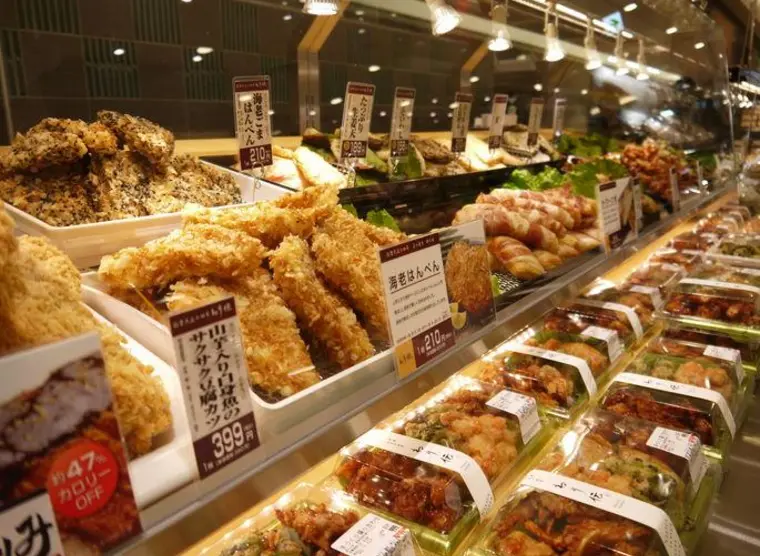 A depachika (デパ地下) is the food floor in the basement of a Japanese department store. The name combines depāto, meaning department store, and chika, meaning basement.
But calling it a food floor is like calling the ocean a slightly damp place.
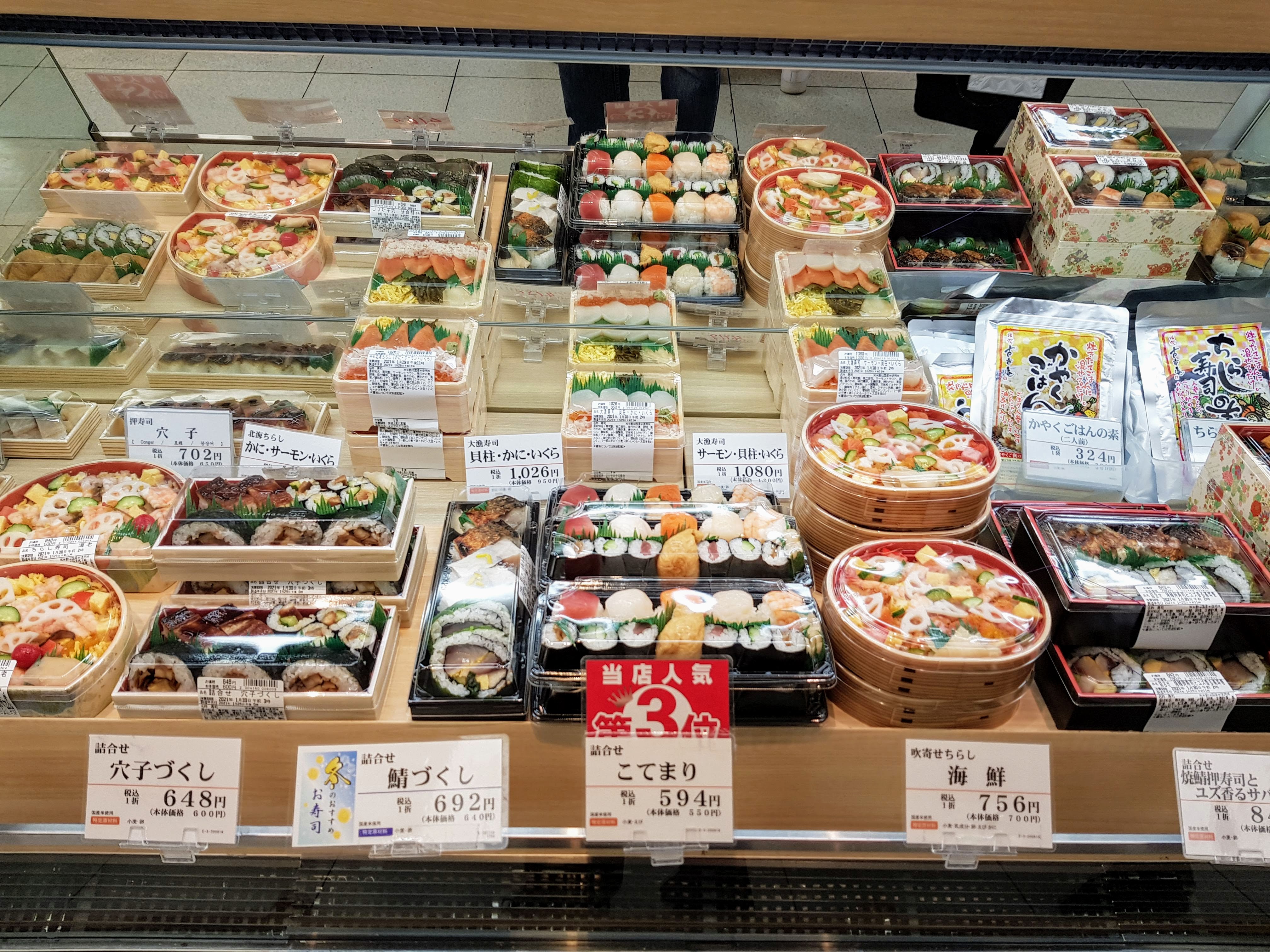
These underground food halls are packed with specialist counters selling everything from sushi and beautifully arranged bento boxes to freshly baked bread, elaborate cakes, traditional Japanese sweets, fried snacks, salads, and seasonal delicacies. Some also sell premium fruit, tea, and carefully packaged gifts.
Think of a gourmet food market, a high-end bakery, a sushi shop, a cake boutique, and a very persuasive salesperson all sharing the same enormous underground space.
Now imagine that you are hungry.
Exactly.
The first thing you notice is how beautiful everything looks. The food sits behind spotless glass displays, arranged with the kind of care usually reserved for jewellery. Sushi looks like tiny edible works of art. Cakes have layers so neat that cutting into one almost feels disrespectful. Even a humble box of rice and grilled fish can look as if it has been preparing for a magazine photoshoot.
You came downstairs to buy dinner.
Five minutes later, you are wondering whether you need a second dinner for comparison purposes.
For research, obviously.
Bento Boxes: When Lunch Looks Better Than Your Entire Holiday
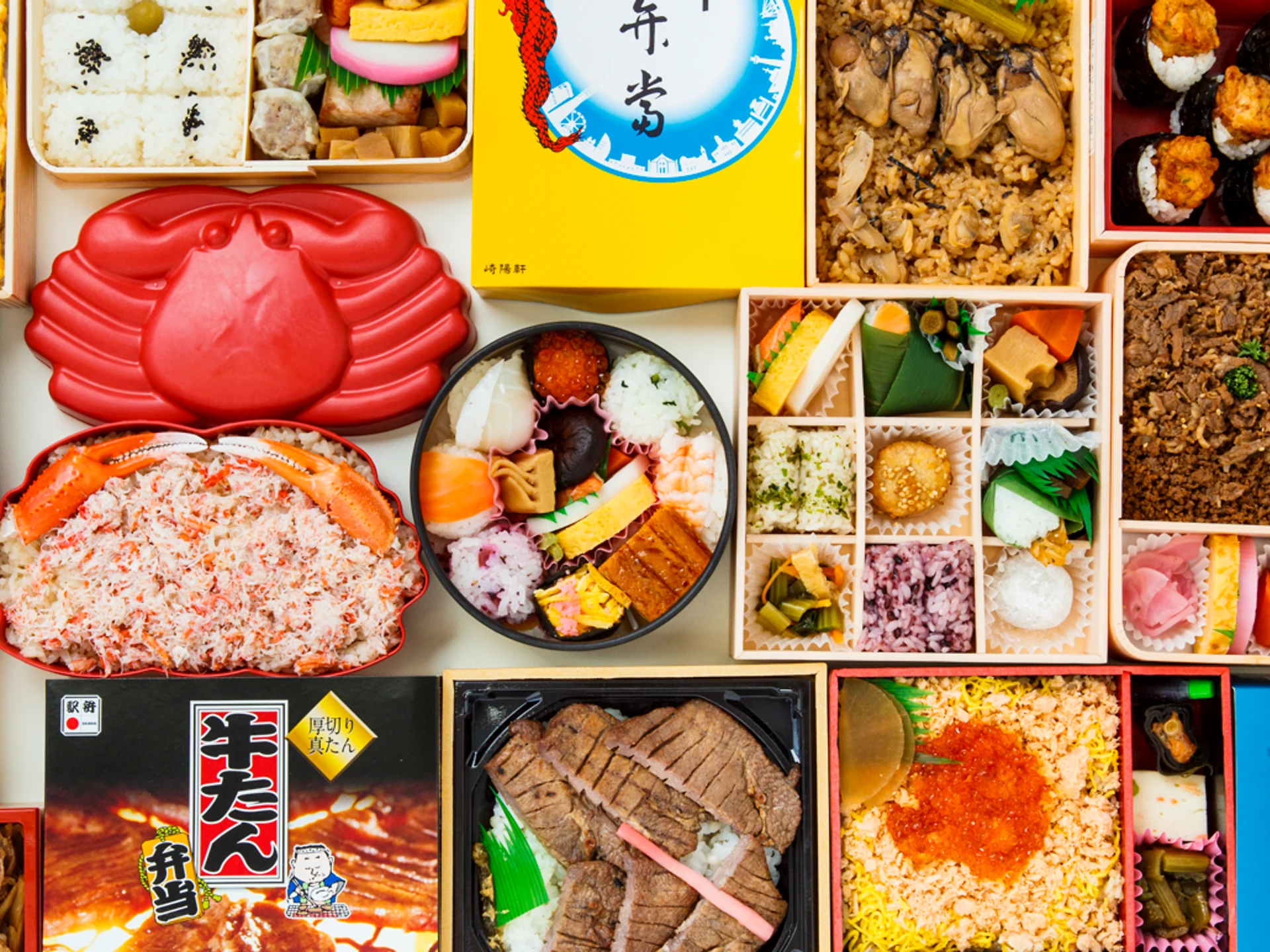
 Let's begin with bento, the Japanese boxed meal that makes an ordinary packed lunch feel like it has been neglecting its personal development.
A typical bento might contain rice, grilled fish or meat, vegetables, pickles, and several little side dishes, all arranged neatly in one box. Depending on the shop, you might find simple everyday meals, seasonal combinations, or premium versions featuring ingredients such as eel or wagyu beef.
The beauty of bento is that everything has its place. The colours balance, the portions are carefully arranged, and even the smallest side dish seems to have been invited to the party for a reason.
Meanwhile, the sandwich I packed for yesterday's train journey looked like it had survived a natural disaster.
At a depachika, choosing a bento can become surprisingly difficult. One box has grilled salmon. Another has tempura. A third contains an assortment of colourful little dishes you cannot fully identify but would happily introduce to your stomach.
You pick one up.
Then you spot another.
Then you start asking yourself dangerous questions, such as, “Would it really be excessive to buy both?”
Yes. Probably.
But the salmon bento is for dinner, and the tempura one could be for tomorrow. Suddenly, your decision sounds less like impulsive shopping and more like a carefully managed meal-preparation strategy.
Congratulations. You have successfully turned a food-shopping problem into a business proposal.
One useful tip: if you are buying a bento for a train journey, check where and when you can eat it, especially if you plan to travel on a crowded service. Food sold for takeaway is not automatically an invitation to eat wherever you please. Keep your meal tidy, follow local etiquette, and check any storage instructions if you will be carrying it around for a while.
Now, on to sushi. Because apparently, we have not suffered enough.
Sushi: The Small Boxes That Cause Big Problems
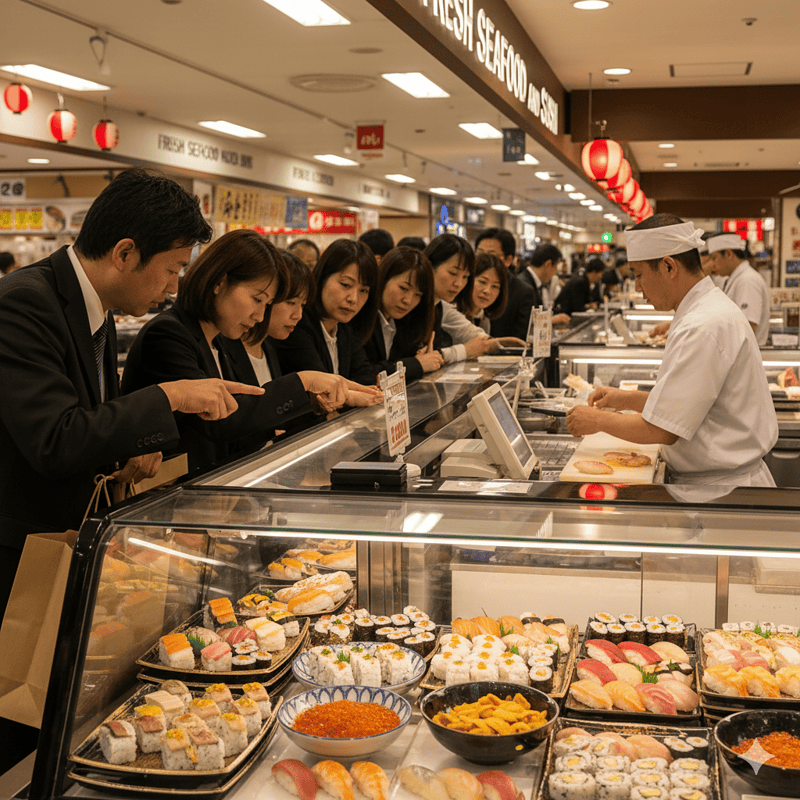 You might think sushi is a relatively safe purchase. You know what it is. You probably know what you like. How complicated can it be?
Then you reach the sushi counter.
There are neat little boxes of nigiri, colourful rolls, assorted sashimi sets, and premium selections arranged so beautifully that you briefly forget you are shopping for food rather than choosing a gift for royalty.
Some boxes are simple and affordable. Others feature luxurious ingredients and price tags that encourage you to take a deep breath before looking too closely.
The real danger is that sushi comes in convenient little portions. One box feels manageable. Two boxes feel like variety. Three boxes can somehow become a perfectly reasonable idea if you have convinced yourself that you are experiencing Japanese culinary culture.
And you are! Just perhaps not with the financial restraint you promised yourself at the airport.
Depachika sushi is also a useful option for travellers who want to sample different varieties without committing to a full restaurant meal. You can compare different fish, try a few pieces you have never ordered before, and take your selection back to somewhere suitable to eat.
Just remember to check the packaging and any storage guidance, particularly if you are travelling for a while before eating it.
And if you have already bought sushi, do not wander past the next counter.
Because the next counter has tempura.
Tempura, Croquettes, and Other Things You Suddenly Need
Japanese food counters are experts at making a small snack feel like an essential purchase.
You might see golden tempura, crisp croquettes, fried chicken, grilled skewers, or little portions of prepared vegetables and salads. Many items are sold ready to eat, making them convenient additions to a bento or an easy meal to take away.
The problem is that these foods rarely appear alone in your imagination.
You see a crispy shrimp tempura and think it would go nicely with rice. Then you notice a potato croquette and decide it would be good to compare the textures. A few steps later, there is a beautifully glazed piece of grilled fish.
Before long, your carefully planned dinner has become a committee meeting, and every dish has voted itself onto the menu.
One of the joys of depachika is that you can buy small portions from different counters rather than ordering one complete meal from a single place. This lets you build a personal tasting menu without needing a restaurant reservation.
The downside is that your personal tasting menu may contain enough food for a family reunion.
My imaginary travel companion would probably say, “We only came down for dinner.”
And I would reply, “Exactly. This is dinner. It just happens to have several departments.”
The Dessert Section: Your Budget's Final Boss
If savoury food is the warm-up, the dessert section is the main event.
Japanese department-store food halls often feature elaborate cakes, fruit tarts, cream-filled pastries, chocolates, traditional sweets, and seasonal desserts from specialist confectioners. Some stores also carry famous brands and beautifully packaged sweets designed for gifts.
This is where your financial discipline faces its most serious challenge.
The cakes are almost offensively pretty.
A strawberry shortcake might have delicate layers of sponge, cream, and fresh fruit. A roll cake looks soft enough to serve as a pillow. Small pastries are decorated so precisely that you begin to wonder whether the pastry chefs use rulers.
Then there are traditional Japanese sweets, or wagashi, which may reflect the seasons through their colours, shapes, and ingredients. Some look like tiny flowers or leaves. Others are designed to evoke a particular time of year.
You do not even need to be particularly hungry. You just need eyes.
And unfortunately, you have those.
At this point, the internal conversation usually goes something like this:
I should not buy dessert. I already have dinner.
But this cake is seasonal.
There will be other cakes.
Not necessarily this exact cake.
I am on holiday.
That is a fair point.
And just like that, a small cake has defeated an entire budget spreadsheet that never existed.
The good news is that you do not need to buy everything. Choose one sweet that genuinely interests you, or pick up a small assortment to share. If you are curious about Japanese confectionery, a traditional wagashi can be just as memorable as a fashionable Western-style cake.
You can admire the rest through the glass.
This is called personal growth.
Why Does Everything Look So Expensive—and So Tempting?
Part of the appeal is the quality and presentation. Depachika bring together specialist food businesses, well-known confectioners, restaurant brands, and makers of regional products. The result is a huge variety of food in one place, often with a strong emphasis on freshness, appearance, and gift-worthy packaging.
Japanese gift culture also helps explain why some products look almost too beautiful to open. Boxes of sweets, premium fruit, and seasonal delicacies are popular choices for presents, so presentation matters as much as the contents.
And then there is the sheer convenience.
Many department stores are connected to major train stations, which makes their food basements practical stops before heading back to a hotel or catching a train. You can pick up dinner, buy a gift, discover a new dessert, and accidentally develop a new personality centred on gourmet takeaway food—all without stepping outside.
In Tokyo, the Japan National Tourism Organization highlights food floors at places such as Isetan Shinjuku, Mitsukoshi Nihombashi, Daimaru Tokyo, and Matsuya Ginza. Each has its own mix of counters and specialities, so one visit is unlikely to reveal everything.
The important lesson is this: depachika is not just a place to buy food. It is a place where browsing is part of the fun.
You can walk around, compare products, watch staff prepare or package items, and sometimes sample selected products where tastings are offered.
You may arrive with no particular shopping list and leave with a much better understanding of Japanese food culture.
You may also leave carrying four bags.
Both things can be true.
How to Explore Depachika Without Declaring Bankruptcy
You do not need to avoid depachika to protect your budget. That would be like visiting a Japanese department store and refusing to go downstairs because you are afraid of cake.
Instead, go in with a plan.
1. Decide what you actually need.
If you want dinner, start by looking at the bento and prepared-food counters. You can always browse the desserts afterwards, preferably before your wallet notices.
2. Walk around before buying.
Do one lap of the floor before committing. Compare the portions, ingredients, and prices. Your first choice might be excellent, but the next counter could offer something even more interesting.
3. Set a spending limit.
Choose an amount you are comfortable spending before you enter. It is much easier to make decisions when you have already decided what your budget is, rather than negotiating with yourself beside a box of premium strawberries.
4. Look for smaller portions.
A few pieces of sushi, one croquette, or a single dessert can give you a taste of something new without turning dinner into a catering order.
5. Visit outside peak meal times if you prefer a quieter experience.
Lunch and dinner periods can be busy. The Japan National Tourism Organization recommends visiting outside those hours to make browsing more comfortable.
6. Check for discounts later in the day.
Some counters reduce prices on selected prepared foods as closing time approaches, but discounts vary by store and availability. Popular items may sell out, so this is a useful possibility rather than a guaranteed bargain.
7. Remember that most of the food is takeaway.
Depachika is generally designed for shopping rather than sitting down for a full meal. Check whether your department store has an eat-in area, or take your purchases somewhere appropriate to enjoy them.
And please, do not buy a giant box of delicate cakes at lunchtime and carry it around Tokyo until evening. Your desserts deserve better, and so does your hotel room.