
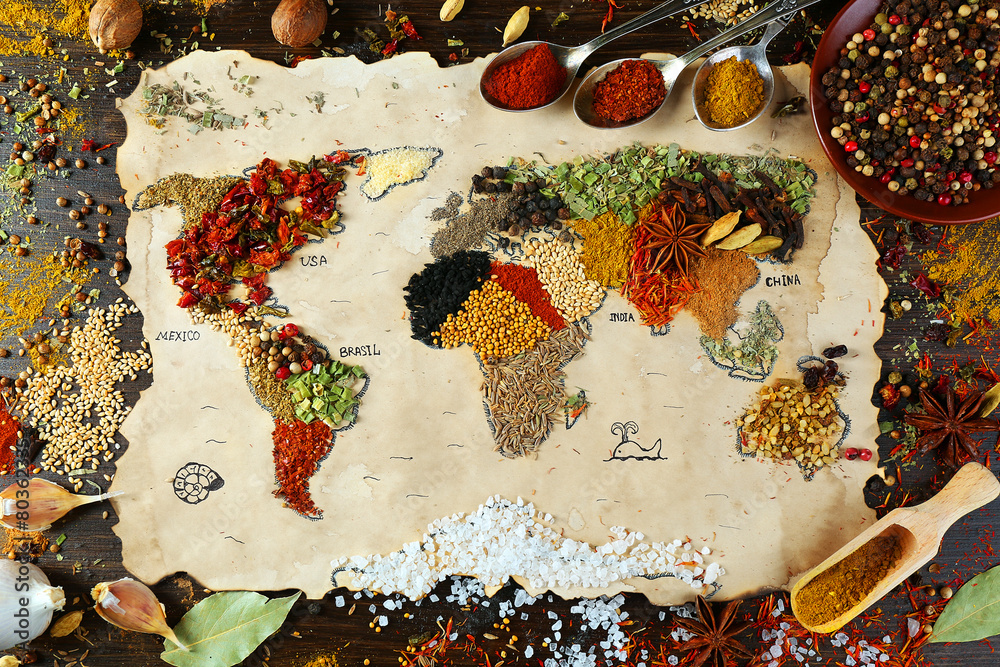
Forget the flag, the national anthem, and the airport code. Give me a sniff of the local spices, and I’ll confidently guess the country. I’ll probably get it wrong, but at least I’ll smell delicious.
Imagine walking into a busy food market with your eyes closed. Someone hands you a little bowl of golden powder. It smells warm, earthy, and slightly peppery.
“Which country are we in?” they ask.
“India!” you announce proudly.
Correct? Maybe. But turmeric travels, cumin has a passport, and cinnamon has been getting around the world for centuries. Suddenly, your geography skills are looking a little shaky.
Spices can tell us fascinating stories about food, culture, and history. But can you really identify a country by its spices alone?
Let's play a little game. No cheating by looking at the country's name. And please don't sniff an entire jar of chilli powder just to prove your point.
Round 1: Turmeric, Cumin, and Black Pepper
Your clues: Golden turmeric, fragrant cumin, cardamom, coriander, and black pepper.
Your guess: India!
If you guessed India, give yourself a point. Your spice detective career is off to a promising start.
Indian cuisine is incredibly diverse, with different regions, communities, and cooking traditions using spices in different ways. Turmeric adds earthy flavour and a golden colour. Cumin brings warmth, coriander contributes a citrusy note, and cardamom adds a distinctive fragrance to both savoury dishes and sweets.
Black pepper has an especially interesting history. It was cultivated in southern India and became an important commodity in long-distance trade. Merchants carried spices across the Indian Ocean and through networks connecting Asia, the Middle East, and Europe.
For centuries, pepper was valuable enough to attract merchants from far beyond the regions where it grew. European traders eventually sought more direct sea routes to Asian spice-producing regions, helping drive the voyages of the fifteenth and sixteenth centuries.
In other words, people crossed oceans for seasoning.
Today, you can sprinkle pepper over dinner without selling your house or hiring a ship. Progress!
Food clue: Think of biryani, masala-rich curries, and spice blends such as garam masala. There is no single Indian flavour profile, though, and the ingredients vary considerably by region and dish.
Score: 1 point if you guessed India.
Round 2: Cinnamon, Cumin, and Ras el Hanout
Your clues: Cinnamon, cumin, coriander, ginger, saffron, and a complex spice blend whose name sounds like it might require a password.
Your guess: Morocco!
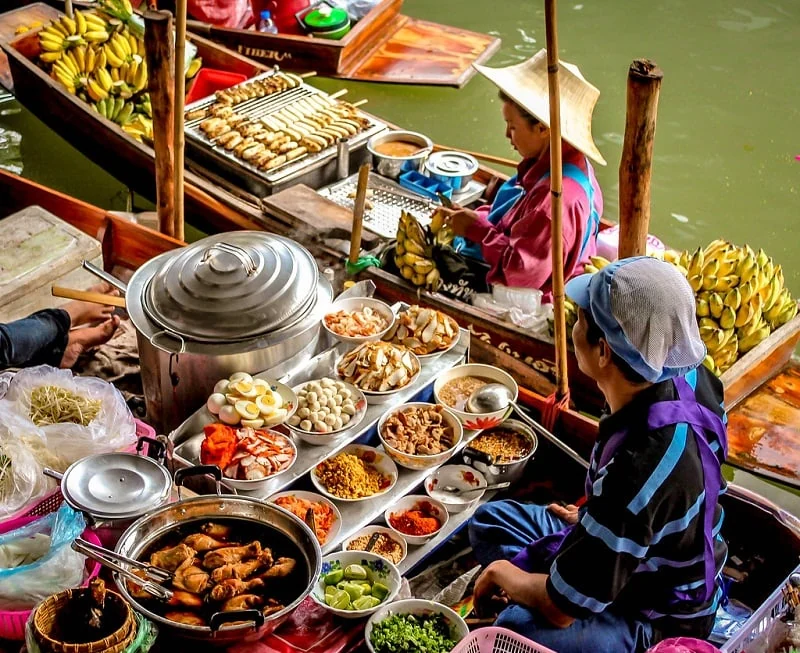
Welcome to Morocco, where the spice stalls are colourful enough to make your kitchen cupboard feel deeply inadequate.
One blend you may encounter is ras el hanout, a North African mixture whose ingredients and proportions vary between makers. Its name is commonly understood as referring to the best a spice seller has to offer.
The blend can contain numerous spices, creating a fragrant combination rather than one simple, dominant flavour. It is used in different dishes and preparations, including some tagines.
Moroccan food also reflects a rich cultural history shaped by Amazigh (Berber), Arab-Andalusian, Jewish, and other influences. Trade, migration, and contact between communities helped create the country's varied culinary traditions.
Picture a slow-cooked tagine with tender meat or vegetables, fragrant spices, and a sauce that begs to be scooped up with bread. It is the sort of meal that makes you forget you originally planned to order something light.
And if you visit a Moroccan souk, you may discover that buying spices is an experience of its own. The colours, aromas, and piles of ingredients can be mesmerising.
Just remember: purchasing a giant bag of every spice you smell is not a sensible souvenir strategy.
Unless your suitcase is dedicated entirely to cooking.
Food clue: Tagine, couscous, and pastilla are among the dishes associated with Moroccan cuisine, although each has its own ingredients and regional variations.
Score: 1 point if you guessed Morocco.
Round 3: Chilli, Cumin, and a Whole Lot of Personality
 Your clues: Dried chillies, oregano, cumin, coriander, and smoky, earthy aromas.
Your guess: Mexico!
Mexico is a particularly interesting stop because chillies are not merely an optional way to make dinner more dramatic. They are deeply rooted in the country's agricultural and culinary history.
Chilli peppers were domesticated in the Americas thousands of years ago, and they remain an important part of Mexican food culture. Different varieties contribute different flavours, colours, and levels of heat. Some are fruity, some earthy, some smoky, and some seem determined to make you reconsider your confidence.
And no, Mexican food is not simply a competition to see who can make their eyes water first.
Chillies are used in sauces, salsas, stews, marinades, and many other preparations. Dried chillies are especially useful because drying changes their texture and concentrates their flavours.
Here is the historical twist: not every spice commonly associated with Mexican cooking originated in the Americas. Cumin and cinnamon, for example, arrived through global exchanges after European contact. Mexican cuisine developed through the interaction of Indigenous traditions and ingredients introduced from elsewhere.
That means a modern Mexican dish can tell a story about ancient agriculture, colonial history, migration, and changing tastes—all in one delicious bite.
Food history is basically a very long group project, except everyone brought something interesting to the table.
Food clue: Mole, salsa, and regional chilli-based dishes demonstrate just how varied Mexican cooking can be.
Score: 1 point if you guessed Mexico.
Round 4: Seven Flavours in One Little Shaker
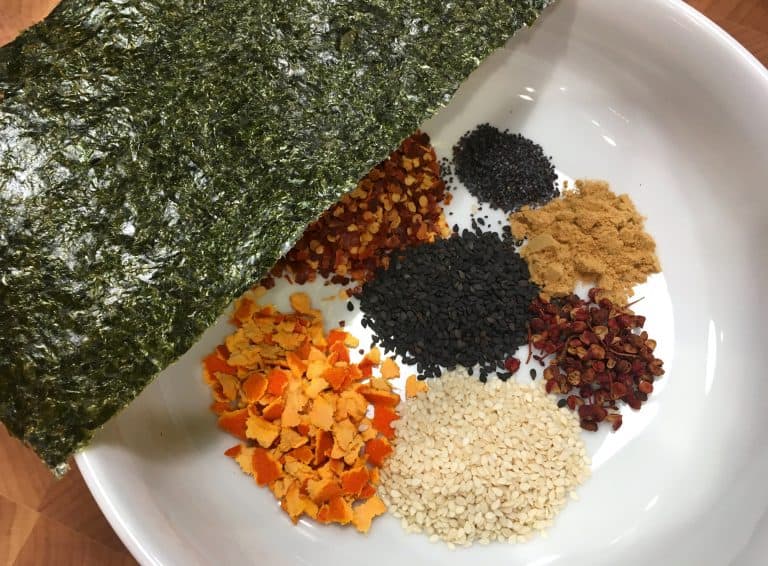 Your clues: Red chilli, Japanese pepper, sesame seeds, dried citrus peel, and seaweed.
Your guess: Japan!
This time, the answer is Japan—and the clue is shichimi tōgarashi, a traditional Japanese seven-flavour spice mixture.
Its ingredients vary, but blends commonly include red chilli pepper, sanshō (Japanese pepper), sesame seeds, dried citrus peel, and other ingredients such as seaweed or shiso.
Unlike some spice blends designed to create a deep, slow-cooked flavour, shichimi is often sprinkled over a dish as a finishing seasoning. You might find it served with udon, soba, soups, rice bowls, or grilled foods.
It can add heat, fragrance, citrus notes, and a little crunch, depending on the mixture.
The blend has a history stretching back several centuries. One well-known tradition traces shichimi's development to Edo, now Tokyo, in the seventeenth century. It later became a familiar seasoning in Japanese food culture.
I love the idea of a seasoning containing seven flavours. It sounds as if someone looked at ordinary chilli powder and said, “Good start, but what if we gave it six friends?”
Of course, the blend is not identical everywhere. Different makers and regions have their own combinations, which means even a small spice jar can carry a local identity.
Food clue: Ramen, soba, udon, and grilled dishes may all be served with shichimi, depending on the restaurant and recipe.
Score: 1 point if you guessed Japan.
Round 5: Nutmeg, Cloves, and the Islands Everyone Wanted
Your clues: Nutmeg, cloves, mace, and a history involving ocean voyages, competing merchants, and eye-watering profits.
Your guess: Indonesia!
Here is where our game takes a turn from dinner to world history.
The Maluku Islands of eastern Indonesia are historically known as the Spice Islands. For centuries, they were important sources of nutmeg, mace, and cloves—spices that became highly desirable in distant markets.
Nutmeg and mace come from different parts of the same fruit, while cloves are aromatic flower buds. Their distinctive flavours made them valuable in cooking and in other historical uses.
Before European ships arrived in the Indian Ocean in the late fifteenth century, regional spice networks were already active. Asian and Arab merchants had traded goods across the seas for generations.
European powers later competed to gain more direct control over the spice trade. The potential profits were enormous, and merchants and governments pursued routes, trading posts, and monopolies in the hope of controlling supplies.
Imagine risking an ocean voyage because people far away wanted a pinch of something fragrant in their food.
Today, you might buy cloves for a few recipes and forget about them in the back of a cupboard. Centuries ago, the same spice could be part of a much larger struggle over trade and wealth.
Your neglected spice rack has a dramatic backstory.
Food clue: Indonesian cooking is diverse, with regional dishes and spice pastes that use different combinations of aromatic ingredients. There is no single blend that represents the whole country.
Score: 1 point if you guessed Indonesia.
So, Can You Really Identify a Country by Its Spices?
Here is the catch: spices are terrible at respecting borders.
Cinnamon, cumin, coriander, pepper, and cloves have travelled through trade, migration, conquest, and everyday exchanges between neighbouring communities. A spice that feels strongly associated with one country's cooking may also be important somewhere thousands of kilometres away.
Even chilli peppers demonstrate this beautifully. They originated in the Americas, but after the Columbian Exchange, they spread into cuisines across Africa and Asia, where cooks incorporated them into their own traditions.
That is why the same spice can taste completely different depending on how it is used. Toasting, grinding, frying in oil, combining with herbs, or adding ingredients at different stages can transform its flavour.
A pinch of cumin in one dish might smell warm and earthy. In another, it becomes part of a complex seasoning that you struggle to identify.
The country is not hiding inside the spice jar. The clue lies in the combination: which ingredients are used together, how they are prepared, what they accompany, and the traditions surrounding the dish.
And even then, you may need more than your nose.
The Final Round: Who Wins?
 Let's count your points:
- 5 points: You are a spice detective. Your next holiday may involve visiting markets instead of buying another fridge magnet.
- 3–4 points: Excellent work! You can probably navigate a spice stall without confidently mistaking every jar for curry powder.
- 1–2 points: You have discovered several new flavours. That is a win, even if your geography needs a little seasoning.
- 0 points: Congratulations! You have an excellent excuse to plan a food trip.
Ultimately, spices offer more than a way to recognise a country's cuisine. They reveal how people adapted ingredients to local tastes, how regional traditions developed, and how trade connected distant societies.
The next time you smell cinnamon, chilli, pepper, or cardamom, think beyond the recipe. Each has travelled through a much larger story of people, places, and changing tastes.
And if you still cannot guess the country, don't worry.
Just order something delicious.
That is not cheating. It is field research.