
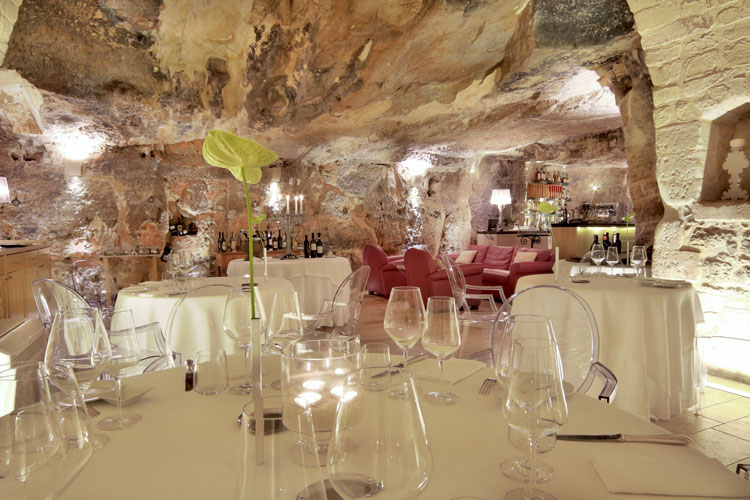


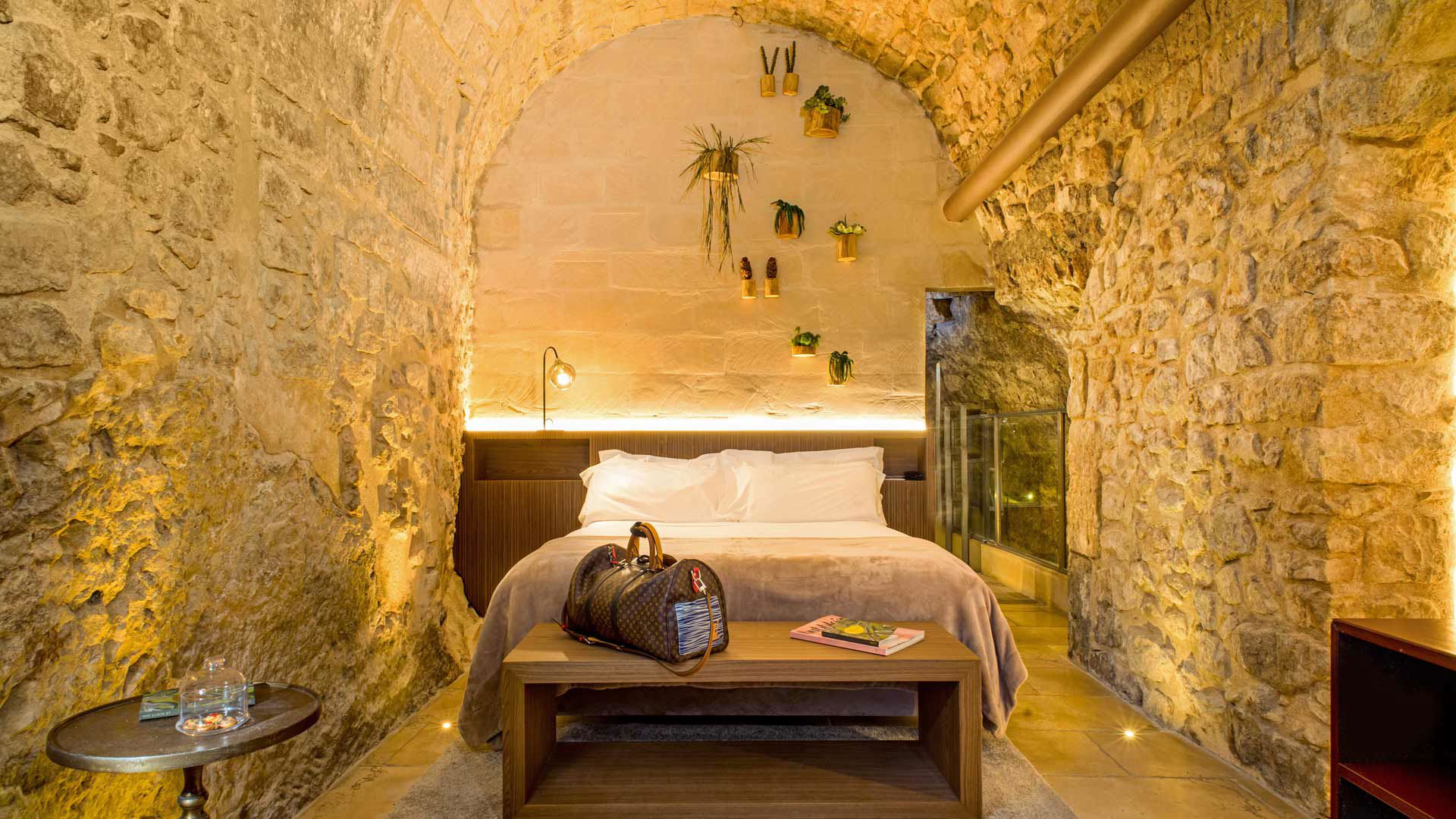
Imagine walking into a restaurant and discovering that the walls are not decorated with expensive wallpaper, fancy paintings or designer lighting. They're made of ancient rock. The ceiling looks as though it belongs to an underground palace, and the whole place feels like a secret dining room hidden beneath a historic Sicilian town.
Now imagine that, instead of a simple rustic meal, you're served beautifully presented dishes by a Michelin-starred chef.
Welcome to Locanda Don Serafino, in Ragusa Ibla, Sicily — a restaurant where ancient stone meets modern fine dining, and where dinner might make you feel like royalty who has accidentally booked a table in a very stylish cave.
The question is: would you pay for the experience?
A Restaurant That Looks Like It Belongs in Another Century
 At first, you might expect a restaurant inside a cave to be rather basic. Perhaps wooden tables, flickering candles, a few dusty bottles of wine and someone cooking over an open fire.
Locanda Don Serafino has other ideas.
Its dining room has a dramatic atmosphere, with stone walls and a setting that appears to have been carved directly into the rock. Yet there is nothing primitive about the experience. The space combines the natural character of old stone with elegant furnishings, carefully arranged tables and sophisticated service.
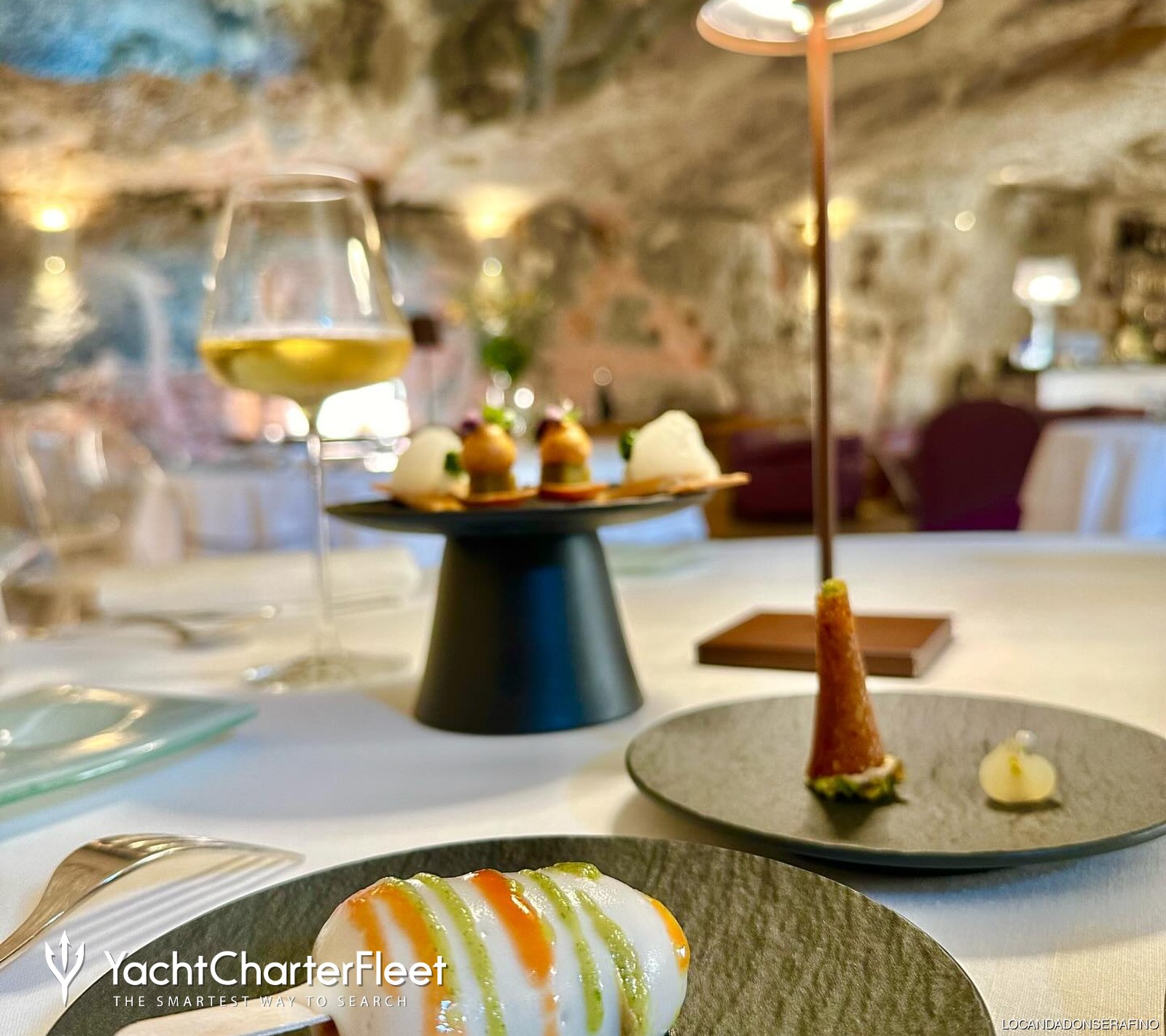
It's a fascinating contrast. The walls look as though they've been standing there for centuries, while the plates arriving at your table look as if they've just stepped out of a contemporary art exhibition.
You may find yourself wondering whether to admire the architecture or the food first. Either way, your phone is likely to get a workout.
The restaurant is located in the historic district of Ragusa Ibla, close to the Church of Santa Maria delle Grazie, also known as the Church of the Miracles. Its setting is part of what makes the experience special: you're not simply eating in a themed restaurant designed to look old. You're dining in a place closely connected to the history and character of the town.
Ragusa Ibla: A Town That Turned Disaster Into Baroque Beauty
 To understand why Locanda Don Serafino feels so special, it's worth taking a little walk through the history of Ragusa Ibla.
Sicily has seen countless civilizations come and go, leaving behind layers of Greek, Roman, Arab, Norman and Spanish influence. Its architecture is a fascinating mixture of styles, and Ragusa is one of the places where that history becomes particularly visible.
The town's appearance today was shaped by a devastating earthquake in 1693, which struck south-eastern Sicily and destroyed or severely damaged many settlements.
Rather than simply rebuilding everything as it had been, communities across the region embarked on an enormous reconstruction project. Churches, palaces and public buildings rose again in the grand Late Baroque style of the period.
Ragusa became part of the UNESCO-listed Late Baroque Towns of the Val di Noto, recognised in 2002 for their remarkable architecture and urban design.
Ragusa is also unusual because it has two historic centres: Ragusa Superiore, the newer upper town, and Ragusa Ibla, the older district below. Ibla retains its winding medieval street layout, while many of its churches and palaces display the elaborate decorations of the Baroque period.
Walking through Ibla can feel like entering a film set. Narrow lanes twist between old buildings, staircases climb steep hills, and grand churches suddenly appear around corners.
It's beautiful, but perhaps not ideal if you're wearing uncomfortable shoes. The town seems to believe that every sightseeing opportunity should come with a small fitness challenge.
And somewhere among these historic streets, Locanda Don Serafino offers another way to experience the area's heritage — through food.
From Family Restaurant to Michelin-Starred Destination
 Locanda Don Serafino is also a family story.
The La Rosa family's hospitality business began in 1953, when Serafino and Elia opened Lido Azzurro, a restaurant by the sea in Marina di Ragusa.
Decades later, their sons, Giuseppe and Antonio, decided to establish a restaurant in Ragusa Ibla. They named it Locanda Don Serafino in honour of their father.
The restaurant opened in the early 2000s, and the family entrusted its kitchen to chef Vincenzo Candiano. His cooking gradually developed into a distinctive style that combines the flavours and memories of Sicilian tradition with contemporary techniques.
In 2007, Candiano earned his first Michelin star.
That achievement helped put Locanda Don Serafino on the map as a destination for food lovers seeking something more than a beautiful dining room.
And that's an important distinction. A spectacular setting may persuade people to book a table, but it takes serious cooking to make them remember the meal.
What Happens When Sicilian Tradition Meets Fine Dining?
 Chef Vincenzo Candiano's philosophy is rooted in the ingredients of his home region.
His cooking draws inspiration from both the land and the sea, using local produce and seafood to reinterpret familiar Sicilian flavours. The aim is not simply to make traditional food look more expensive. It's to preserve the character of the ingredients while presenting them in a fresh, contemporary way.
Think of the Mediterranean surrounding Sicily: the seafood, the herbs, the olive oil, the vegetables and the rich culinary traditions that have developed over centuries.
At Locanda Don Serafino, these ingredients become part of a more elaborate gastronomic experience.
Guests can choose dishes from the à la carte menu or follow one of the restaurant's tasting menus. The latter offers a more structured journey through the chef's cooking, with a sequence of courses designed to showcase different ingredients, techniques and flavours.
Of course, fine dining comes with its own little rituals.
A waiter may explain a dish in impressive detail, while you nod thoughtfully as though you understand every culinary term. Then the plate arrives, looking so beautiful that you briefly forget you're actually supposed to eat it.
There may be a delicate arrangement of seafood, a carefully prepared sauce or an unexpected combination of ingredients. The portions are designed to be part of a longer experience rather than a single enormous plate.
In other words, don't arrive expecting a mountain of pasta followed by an afternoon nap. This is a meal to savour slowly.
And if you're the kind of person who likes to know exactly what's in your food, the staff can help explain the dishes and their ingredients.
The Wine Cellar: Because One Luxury Is Apparently Not Enough
If the cave-like dining room and Michelin-starred cooking aren't enough to impress you, Locanda Don Serafino also has a remarkable wine collection.
The restaurant's wine cellar is reported by the Michelin Guide to contain around 2,880 labels — a rather serious collection for anyone who enjoys exploring wine.
The selection includes wines from Sicily and beyond, allowing guests to discover how different bottles complement the restaurant's dishes.
Sicily itself has a fascinating wine culture. Its volcanic landscapes, sunny climate and varied soils create very different growing conditions across the island. Wines made from local grapes can offer a taste of the region that goes well beyond the usual tourist souvenirs.
For anyone interested in learning more, the restaurant also offers guided wine-tasting experiences with a sommelier.
Naturally, you don't need to know the difference between every grape variety to enjoy the experience. You can simply ask for an explanation and let the experts do the talking.
That's one of the pleasures of a good restaurant: you don't have to pretend to be a wine critic just because the menu has more pages than your holiday itinerary.
Is It Really Worth Dining in a Cave?
Let's be honest. Locanda Don Serafino isn't the kind of place you'd choose for a quick dinner after a long day of sightseeing.
It's a special-occasion restaurant, and the experience is about more than filling your stomach. You're paying for the food, the service, the atmosphere and the chance to enjoy a meal in a setting that feels deeply connected to its surroundings.
The Michelin Guide places the restaurant in its highest price category (€€€€), so this is certainly not a budget-friendly stop.
But the setting gives it something that a conventional luxury restaurant may struggle to reproduce.
You could eat an elegant seafood dish in a modern restaurant with enormous windows and spectacular views. Or you could enjoy a carefully prepared Sicilian meal surrounded by ancient stone, in a historic neighbourhood shaped by centuries of architecture and local life.
Neither option is automatically better. It depends on what you want from a memorable dinner.
If you're simply hungry, a neighbourhood trattoria might make you just as happy — and leave more money for gelato.
But if you love food, architecture and unusual places, Locanda Don Serafino offers an experience that brings all three together.
So, Would You Pay for Dinner Inside a Cave?
Ragusa Ibla is already a destination worth visiting for its Baroque streets, historic churches and beautiful old buildings. Locanda Don Serafino adds another reason to slow down and explore the town.
Its appeal lies in the contrast: ancient stone and contemporary design, family history and modern gastronomy, traditional Sicilian ingredients and creative cooking.
It's not a restaurant where the walls are merely there to look pretty. They help tell the story of the place.
And perhaps that's what makes the experience so interesting. You're not just having dinner in an unusual room. You're spending an evening surrounded by a piece of Sicily's past, while tasting how its culinary traditions continue to evolve.
Would I recommend it to everyone? Probably not. If your idea of a perfect meal is a huge bowl of pasta eaten in ten minutes, this might feel like a rather expensive way to remain hungry.
But for a special evening in Sicily, the combination of history, atmosphere and fine dining is certainly tempting.
After all, how often do you get to say you've had a Michelin-starred dinner inside a room that looks as though a medieval architect and a modern interior designer decided to work together?
Just remember to check the bill before ordering another glass of wine. Even the most beautiful cave has its limits — especially when it comes to your travel budget.