
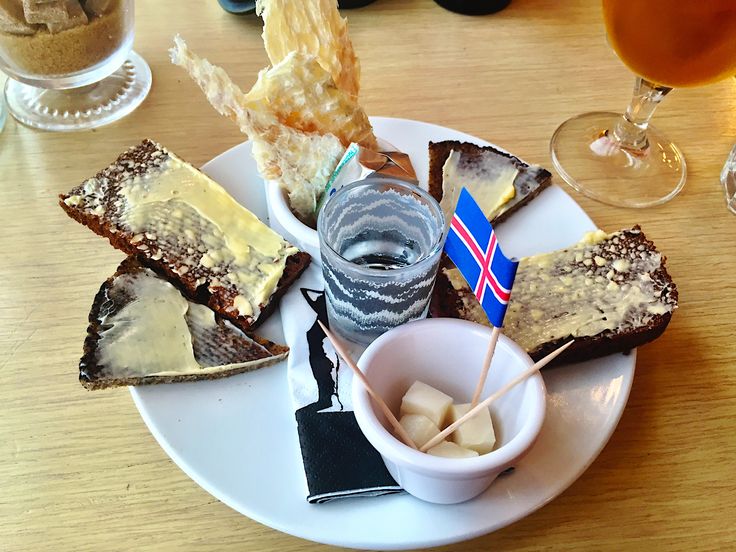




One tiny piece of fermented shark, one very confused tourist, and a smell that deserves its own passport.
There are many reasons to visit Iceland. The Northern Lights. Dramatic waterfalls. Volcanoes. Glaciers. Landscapes so beautiful they make you question every life decision that led you to sit in an office instead of standing on a mountain.
And then there is hákarl.
Fermented shark.
Yes, shark. Yes, fermented. And yes, it smells exactly like the sort of thing your refrigerator would apologize for if it could talk.
Iceland has plenty of delicious food, but hákarl has achieved international fame for a very different reason: its smell is so powerful that first-time visitors often react as if someone has opened a mysterious container from the basement of a haunted seafood restaurant.
Naturally, I wanted to understand what all the fuss was about.
I told myself I was a curious traveler with an adventurous palate. I had eaten unfamiliar foods before. I was open-minded. I was brave.
Then I met the shark.
The Smell Arrives Before the Shark Does
Hákarl is traditionally made from Greenland shark, a large species found in the cold waters of the North Atlantic. The finished meat is cut into small cubes and served as a traditional Icelandic delicacy.
On paper, that sounds perfectly manageable. People eat fish all over the world. Some people even enjoy fish that has been sitting in a refrigerator for three days while everyone else in the house pretends not to notice.
But hákarl has a special talent.
Its smell.
Imagine walking into a room and immediately wondering whether you have accidentally entered the chemistry department of a university. The aroma is sharp, pungent and strongly ammonia-like. It does not gently introduce itself. It arrives with the confidence of someone who has never once been told to lower their voice.
My first thought was simple: Surely, the taste cannot be as dramatic as the smell.
My second thought was that my nose had already submitted its resignation.
The strange thing is that hákarl is not a modern prank invented to entertain tourists. It is a traditional food with a serious history. And understanding that history makes the little cube on the plate considerably more interesting.
Not necessarily more fragrant. Just more interesting.
Why Would Anyone Ferment a Shark?
Here is where the story gets fascinating.
Greenland shark meat cannot safely be eaten fresh because it contains high levels of compounds that make it toxic. Traditional processing helps remove or break down these harmful compounds, making the meat suitable to eat when properly prepared.
Historically, Icelanders needed ways to preserve food through long, harsh winters. Refrigerators were not waiting around the corner, and the weather was not exactly offering a convenient outdoor pantry with a temperature dial.
People had to make the most of the resources available to them.
Hákarl became one example of that ingenuity. Traditionally, the shark meat is pressed during an initial curing stage and then hung to dry for several months. The entire process takes patience, experience and considerably more commitment than I usually give to a loaf of bread.
Think about it: someone looked at a shark that could not safely be eaten fresh and figured out how to transform it into a traditional food.
That is impressive.
The finished product, however, is also a reminder that human creativity sometimes takes us to places our noses would rather not visit.
Important distinction: this is not ordinary fish left to spoil. Proper curing is essential, and fresh Greenland shark should never be eaten. Hákarl is something to try only when it has been professionally prepared for consumption.
So, What Does Hákarl Actually Taste Like?
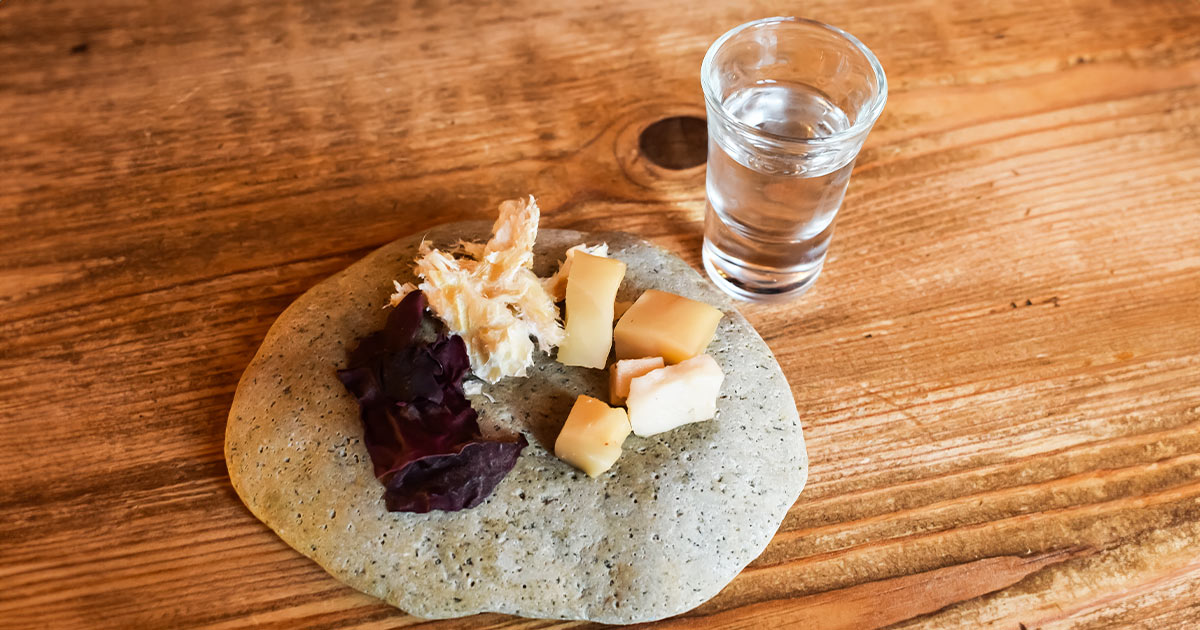
This is the question every curious traveler asks.
Unfortunately, there is no single answer that will satisfy everyone. People experience hákarl differently, and its reputation is heavily influenced by its powerful aroma.
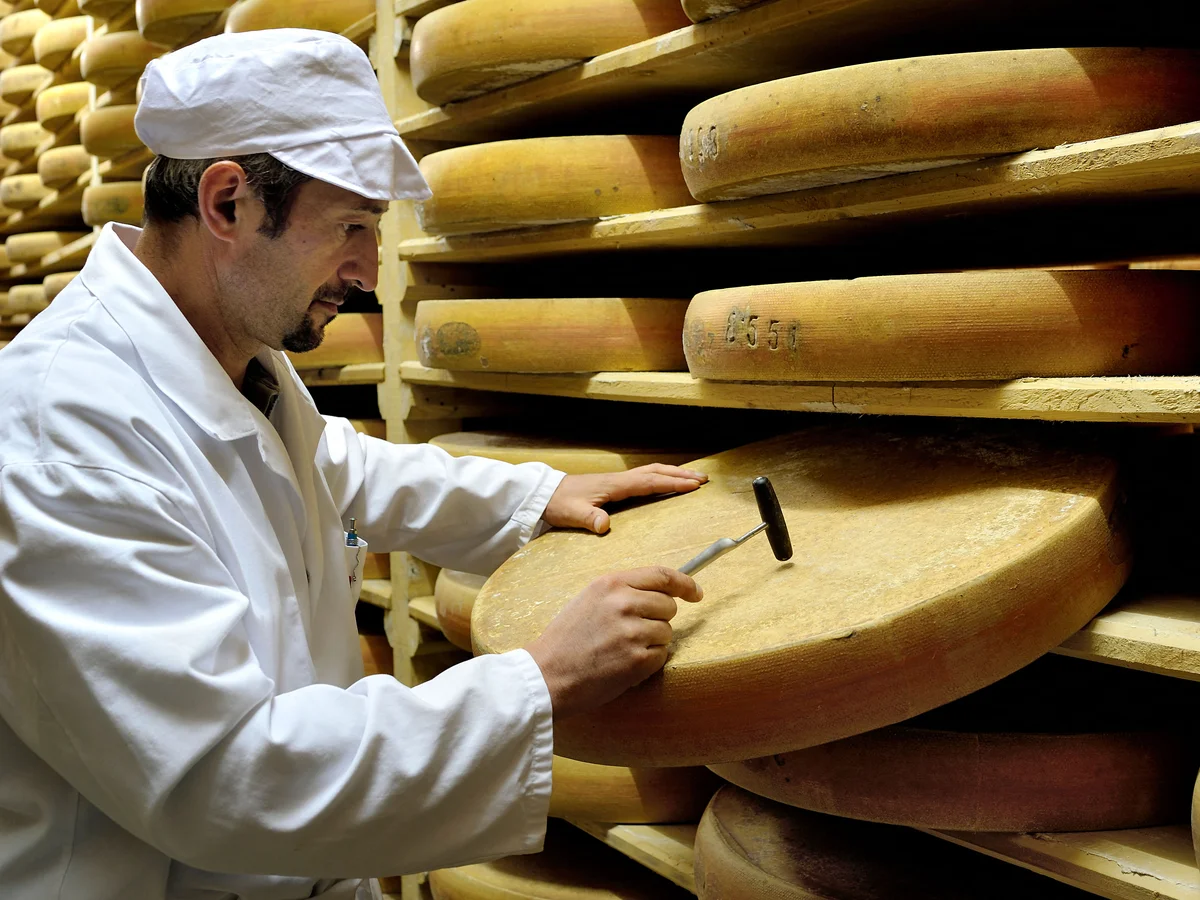
The smell is often more intense than people expect from the flavor itself. The taste is pungent, distinctly fishy and sometimes compared to an extremely strong aged cheese. The texture can be firm and chewy.
In other words, it is not going to win a popularity contest with plain buttered toast.
Imagine a piece of cheese that has spent years developing its personality and has now decided to tell you every single opinion it has ever had. That is the kind of confidence we are dealing with.
Some people find hákarl less intimidating after the first bite. Others remain unconvinced. Both reactions are understandable.
Personally, I think the biggest challenge is the gap between expectation and reality. You see a tiny, pale cube and think, How bad can this possibly be?
Then the smell arrives, and suddenly that cube feels like a very important life decision.
It is also worth remembering that a food does not have to become your favorite to be worth learning about. Sometimes the most memorable part of a culinary adventure is discovering how differently people around the world define delicious.
The Icelandic Feast Where Shark Gets Its Moment
Hákarl is particularly associated with Þorrablót, a traditional midwinter celebration in Iceland.
The feast takes place during the winter month of Þorri and features an assortment of traditional preserved foods. Hákarl may appear alongside other historic Icelandic specialties, reflecting the ways earlier generations preserved food and made it through difficult winters.
This is not simply a gathering designed to see who can make the funniest face after eating something unusual.
It is also about cultural memory, shared meals and keeping traditions alive.
Of course, that does not mean every Icelandic person eats fermented shark every week. Modern Icelandic cuisine includes plenty of familiar favorites, from fresh seafood and lamb to breads, dairy products and contemporary restaurant dishes. Hákarl is a distinctive traditional specialty, not a daily meal for the entire country.
That distinction matters.
Travel writing sometimes turns local food into a competition between adventurous visitors and supposedly strange locals. But the more interesting question is not, “How can anyone eat this?”
It is, “What circumstances made this food important, and why do people still remember it?”
Suddenly, our smelly little shark has a much bigger story.
Meet Brennivín: The Traditional Sidekick
Hákarl is often served in small cubes, sometimes picked up with toothpicks. A traditional companion is brennivín, an Icelandic spirit flavored with caraway.
The pairing is so well known that the drink has become part of the hákarl experience.
There is something wonderfully theatrical about this arrangement. First, you encounter the shark. Then comes the traditional companion. The whole thing feels less like an ordinary snack and more like a tiny ceremony with a surprisingly intimidating guest of honor.
You can almost imagine the introduction:
“Everyone, please welcome tonight’s special guest. He has traveled a long way, smells like absolutely nothing else in the room, and would like to challenge your understanding of seafood.”
Naturally, the food deserves more respect than a comedy sketch. The tradition has a real cultural background, and the pairing is part of how it is commonly presented.
For visitors who are curious, learning about the food and its customary serving traditions can be just as valuable as tasting it. Nobody needs to prove anything by forcing themselves to eat a food they do not want.
And the shark, frankly, has already attracted enough attention.
Where Can Curious Travelers Learn About It?
If you are exploring Iceland and want to learn more about hákarl, the Snæfellsnes Peninsula is home to Bjarnarhöfn Shark Museum, where visitors can discover the history of Greenland shark processing and its place in Icelandic food culture.
It offers a more meaningful introduction than simply encountering a cube on a plate and wondering what went wrong.
Reykjavík is another place to explore traditional Icelandic foods. Some shops, food tours and restaurants introduce visitors to local specialties, including hákarl. Availability varies, so it is sensible to check ahead rather than plan an entire afternoon around a shark that may not be on the menu.
And remember: Iceland has far more to offer than its most notorious food.
You can explore its seafood traditions, try local lamb dishes, sample skyr and enjoy fresh fish without turning every meal into a personal bravery test.
In fact, that might be the best approach to Icelandic cuisine: be curious, try a variety of foods, and let the shark be one chapter in a much larger culinary adventure.
Is Hákarl Worth Trying?
That depends on what you want from a food experience.
If you are looking for a gentle introduction to Icelandic cuisine, hákarl might not be the obvious first choice. There are many other traditional dishes that may be more approachable.
If you are fascinated by food history, preservation techniques and the ways people adapt to their environment, however, hákarl is genuinely interesting. It tells a story about survival, ingenuity and a culinary heritage shaped by Iceland's climate and resources.
And if you simply want to try something that will give you a story to tell afterward, well, hákarl has a reputation for a reason.
Just do not expect every bite to be a life-changing revelation. Sometimes a food is remarkable because of its history rather than because you want to order a second helping.
That is perfectly fine.
The world would be a rather boring place if every country served the same sandwich, the same soup and the same dessert. Unusual traditional foods remind us that taste is shaped by history, geography, family habits and cultural expectations.
They also remind us that the word delicacy can mean very different things depending on which country you are standing in.
Final Verdict: The Nose Has Filed a Complaint
After investigating Iceland's most notorious food, I have reached three conclusions.
First, hákarl is far more than an internet dare. It is a traditional preserved food with a history rooted in Icelandic life.
Second, the smell deserves its own character in any story about the dish. It is not a supporting actor. It is the lead.
And third, I will never again look at an ordinary piece of fish and take its mild personality for granted.
Would I recommend learning about hákarl? Absolutely.
Would I recommend approaching it with curiosity and respect? Even more absolutely.
Would I promise that your nose will approve?
Let's not make promises we cannot keep.
Iceland has spectacular scenery, fascinating traditions and a food culture worth exploring. Hákarl is one of its most unforgettable chapters—not necessarily because everyone loves it, but because it shows how a practical solution from the past can become a cultural symbol in the present.
And somewhere, in a quiet corner of the North Atlantic, a Greenland shark is probably swimming along, blissfully unaware that its culinary legacy has made tourists question their noses.
Honestly, that shark has had a more successful career than most of us.
Travel tip: If you try hákarl, choose a properly prepared serving from a reputable source and treat it as a cultural experience, not a dare. Your curiosity deserves an adventure; your nose deserves a little warning.