
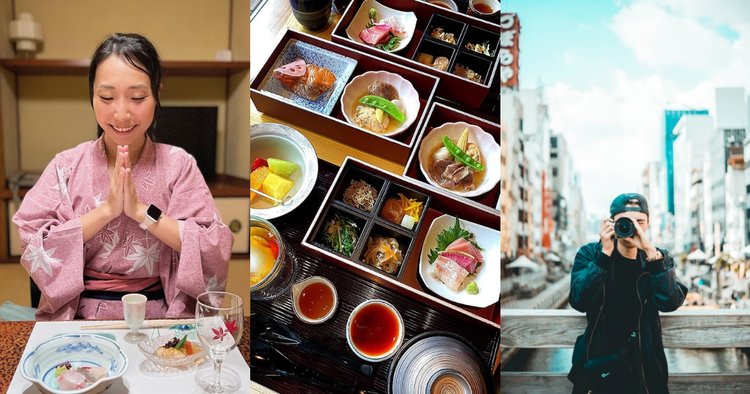






Japan is a dream destination for food lovers. You can slurp a steaming bowl of ramen in a tiny shop, enjoy beautifully prepared sushi, discover mysterious ingredients at a local market, and eat enough convenience-store snacks to make your suitcase question its purpose in life.
But there's one thing that makes some visitors nervous: Japanese dining etiquette.
Should you slurp your noodles? Can you eat sushi with your fingers? Is it really forbidden to stick your chopsticks upright in a bowl of rice? And will a sushi chef secretly judge you if you mix wasabi with soy sauce?
Don't panic. Nobody expects tourists to arrive with a degree in Japanese table manners. Most etiquette rules are simply about showing consideration for the people around you and respecting the food.
Here are nine common mistakes to avoid — plus a few internet myths that deserve to be sent straight back to the kitchen.
1. Refusing to Slurp Your Ramen
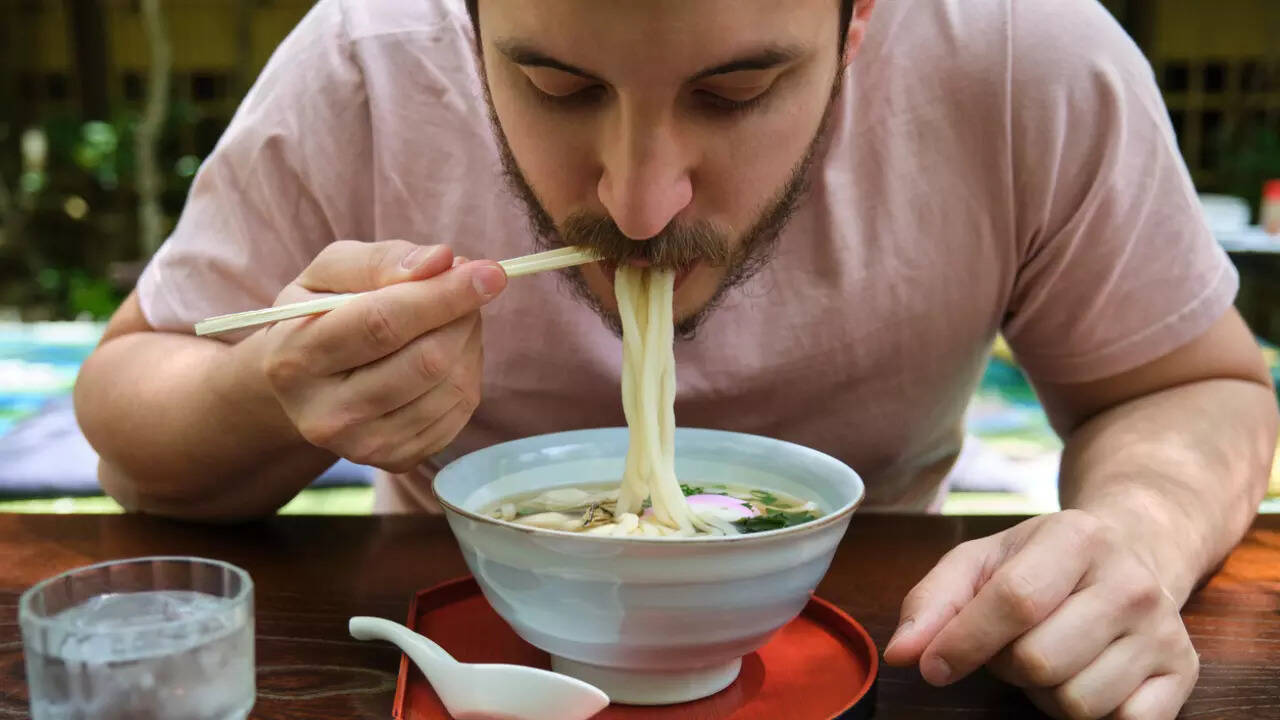 In many countries, making loud eating noises is considered impolite. In Japan, however, slurping noodles is widely accepted and completely normal in ramen shops.
You may hear people making enthusiastic slurping sounds as they eat ramen, soba, or udon. Some diners believe that slurping helps cool the hot noodles and brings their aroma closer to the nose, although you don't need to become a noodle scientist to enjoy your lunch.
The important thing is that slurping is acceptable — not compulsory.
If you prefer to eat quietly, that's perfectly fine. Nobody expects you to imitate a professional noodle enthusiast.
The myth: You must slurp loudly to prove that you enjoy Japanese food.
The reality: Slurping is culturally accepted, but you don't need to make a performance out of it. Just enjoy your noodles.
2. Drowning Your Sushi Rice in Soy Sauce
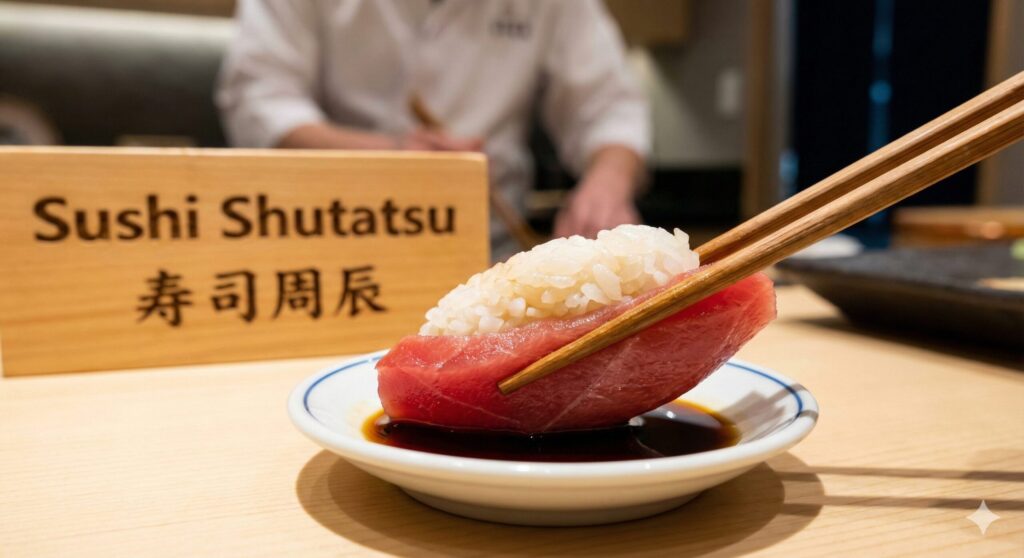 Sushi looks simple, but there's a little more technique involved than picking up a piece and giving it a generous soy-sauce bath.
One common mistake is dipping the rice directly into the soy sauce. Sushi rice is delicate and can absorb too much liquid, making the piece overly salty or causing it to fall apart.
A more considerate approach is to turn the sushi slightly and dip the fish topping, known as neta, into the sauce rather than soaking the rice, or use only a small amount of soy sauce.
Also, some sushi is already seasoned by the chef. Adding more soy sauce isn't necessarily an improvement.
Think of it like adding ketchup to a carefully prepared dish: sometimes it works, but sometimes the chef has already done the job.
The myth: There is only one correct way to eat every type of sushi.
The reality: Different sushi styles call for different approaches. A little attention to the chef's preparation is usually enough.
3. Assuming Sushi Must Always Be Eaten With Chopsticks
Here is some good news for anyone whose chopstick skills are still a work in progress: sushi can also be eaten with your hands.
In fact, using your fingers to pick up nigiri sushi is perfectly acceptable in Japan. Both hands and chopsticks are commonly used, depending on the setting and the diner's preference.
At a traditional sushi counter, you may even see diners picking up nigiri directly with their fingers.
Sashimi, on the other hand, is generally eaten with chopsticks because it consists of slices of fish without the rice base.
So if your sushi keeps escaping between your chopsticks, don't panic. Your fingers are not committing a culinary crime.
The myth: Eating sushi with your hands is considered rude.
The reality: Hands are perfectly acceptable for sushi, especially nigiri. Choose whichever method feels comfortable.
4. Mixing Wasabi Directly Into Soy Sauce
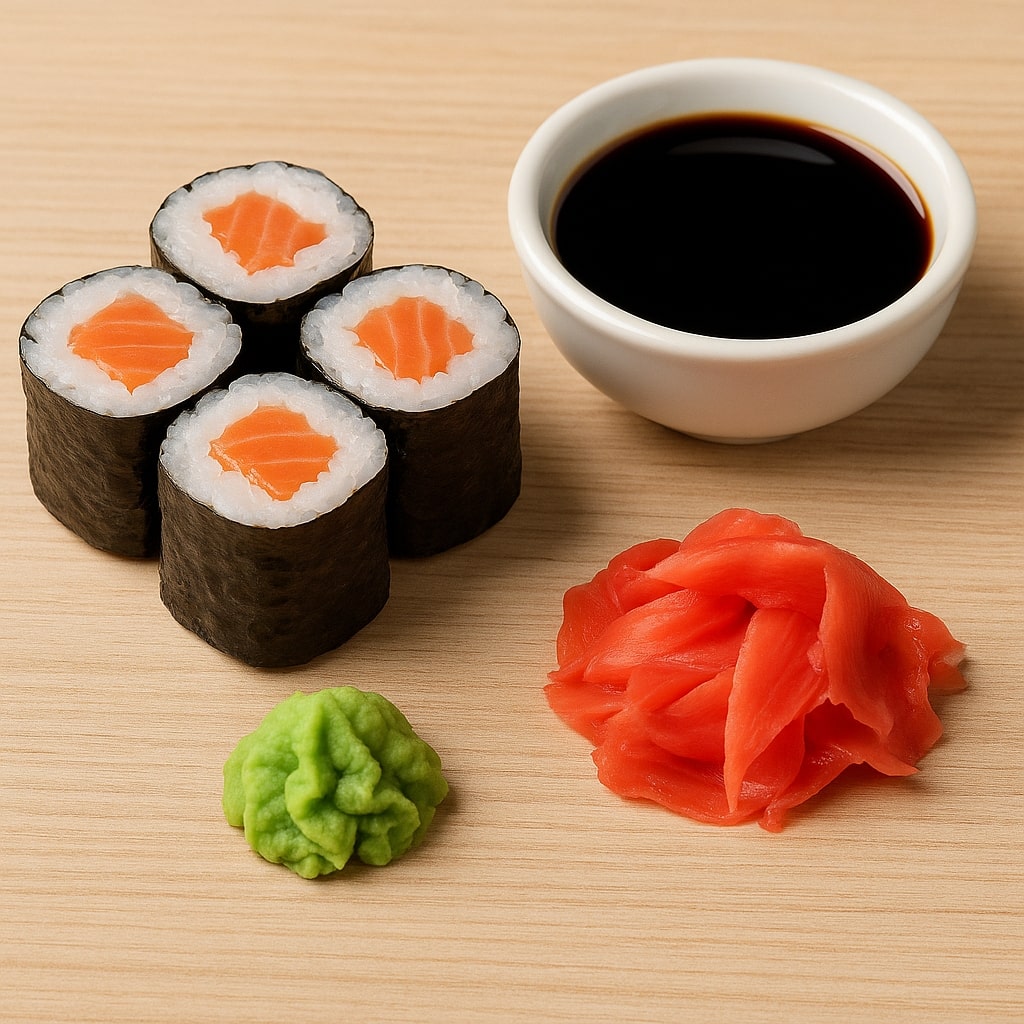 This is one of the most frequently repeated sushi etiquette rules online.
Many guides recommend placing a little wasabi directly on the fish instead of stirring it into the soy sauce. The reason is that mixing everything together can overpower the delicate flavour of the fish and make it harder to appreciate the chef's intended balance.
At more traditional sushi restaurants, the chef may already have added the appropriate amount of wasabi between the rice and fish.
However, this isn't a universal rule enforced in every Japanese restaurant. Conveyor-belt sushi restaurants and casual chains tend to be much more relaxed.
If you enjoy a little wasabi in your soy sauce, you're unlikely to cause an international incident.
The myth: Mixing wasabi and soy sauce is always a serious breach of etiquette.
The reality: Keeping the flavours separate is often preferred at traditional sushi counters, but dining customs vary by restaurant.
5. Sticking Your Chopsticks Upright in a Bowl of Rice
Now we get to one of the chopstick mistakes worth remembering.
Never leave your chopsticks standing vertically in a bowl of rice.
Why? Because this arrangement resembles a ritual associated with Japanese funerals, where a bowl of rice with upright chopsticks is offered to the deceased.
It's therefore strongly associated with death and is inappropriate at an ordinary dining table.
Another related mistake is passing food directly from one pair of chopsticks to another. This also resembles a funeral custom involving the handling of cremated bones.
The good news is that avoiding both habits is easy.
When you're not using your chopsticks, place them on a chopstick rest or neatly across the designated holder. If you're sharing food, place it on a small plate first so the other person can pick it up.
The myth: Every unusual chopstick movement is a major cultural disaster.
The reality: You don't need to memorise a hundred rules. Start by avoiding these two particularly important ones.
6. Using Chopsticks as a Pointer, Fork or Excavation Tool

Chopsticks are useful, but they are not multipurpose construction equipment.
Some common habits are considered impolite in Japan:
- Pointing at someone with your chopsticks.
- Waving them around while talking.
- Stabbing food instead of picking it up.
- Using them to pull bowls or plates closer.
- Hovering over several dishes while deciding what to eat.
These behaviours are generally considered poor table manners because they can appear careless or inconsiderate.
If you're sharing dishes at an izakaya, a Japanese-style pub, use serving chopsticks when provided. If none are available, you can ask for them.
And please don't use your chopsticks to conduct an imaginary orchestra while explaining how delicious the tempura is.
Your dining companions deserve a peaceful meal.
7. Starting to Eat Before Everyone Has Their Food
Imagine sitting down with friends, receiving a delicious bowl of ramen, and immediately attacking it while everyone else is still waiting for their meals.
In many group dining situations in Japan, people prefer to wait until everyone has been served before beginning to eat.
A common phrase is itadakimasu, said before eating. It expresses gratitude for the food and the people involved in preparing it. After the meal, gochisousama deshita is used to express appreciation for the meal.
You don't need perfect pronunciation to show respect. Even learning these two expressions can make your dining experience more meaningful.
Of course, there are exceptions. At a busy ramen shop, where noodles are best eaten immediately, diners may start as soon as their bowls arrive.
So use a little common sense: wait when dining with a group, but don't let your ramen turn into cold noodle soup just to maintain perfect synchronisation.
8. Treating the Communal Dish Like Your Personal Plate
Japanese meals often include shared dishes, especially when dining with friends or colleagues at an izakaya.
You might find grilled fish, fried chicken, vegetables, or small plates placed in the middle of the table for everyone to enjoy.
A common mistake is reaching into the shared plate with the chopsticks you've already been eating with, without considering the other diners.
When serving chopsticks are available, use them. Another traditional approach is to use the opposite, clean ends of your own chopsticks to transfer food to your plate.
It's also considerate not to take the very last piece without checking whether anyone else wants it.
This isn't about making dinner unnecessarily complicated. It's simply a way of sharing food without treating the communal plate as a personal buffet.
And if someone offers you the last piece of karaage, consider it a small act of friendship. That final piece has probably been the subject of silent negotiations for several minutes.
9. Eating While Walking Through the Street
Japan is famous for its street food, but that doesn't mean eating while walking is encouraged everywhere.
In some busy shopping streets, markets, and tourist areas, visitors are expected to eat in designated spaces or stand near the stall where they bought their food.
The reason is practical: walking while eating can lead to spills, litter, and accidental collisions in crowded places.
Some food stalls provide a small space where customers can enjoy their purchases before moving on. Others may have signs asking visitors not to eat while walking.
However, this is not a universal nationwide ban. Customs vary depending on the location and type of food. Eating while walking may be perfectly acceptable in certain places.
The best approach is to look for signs and follow the local arrangement.
And honestly, stopping to enjoy a freshly made snack isn't such a terrible idea. Your takoyaki deserves more attention than being eaten while you're trying to navigate a map and avoid a group of tourists taking photographs.
Three Japanese Food Etiquette Myths You Can Stop Worrying About
After reading all those rules, you might be wondering whether eating in Japan requires a personal etiquette instructor.
Fortunately, not everything you read online is true.
Myth 1: You must finish every drop of ramen broth.
No. It's perfectly acceptable to leave some soup behind. Finishing it may be seen as a compliment, but it isn't a requirement. Enjoy the noodles and toppings without feeling pressured to drink the entire bowl.
Myth 2: You must never lift a bowl towards your mouth.
Actually, lifting small rice bowls and soup bowls is common in Japanese dining. For miso soup, diners often lift the bowl and drink directly from it. The idea that every bowl must remain flat on the table is misleading.
Myth 3: You must follow exactly the same sushi rules in every restaurant.
Not at all. A traditional sushi counter may have more specific expectations than a casual conveyor-belt restaurant. Some chefs season their sushi in advance, while others leave the seasoning to the diner. The best approach is to observe the setting and follow the restaurant's guidance.
The Golden Rule: Enjoy the Food, Respect the People
Japanese food etiquette may seem complicated at first, but most of it comes down to a few simple ideas: appreciate the food, avoid behaviour that makes other diners uncomfortable, and respect the people who prepared your meal.
You don't need perfect chopstick skills, a flawless Japanese accent, or the ability to identify every type of sushi on sight.
If you accidentally drop a piece of sushi, struggle with your noodles, or forget to say itadakimasu, don't assume your holiday is ruined.
A polite attitude, a little curiosity, and a willingness to learn will take you much further than memorising every rule on the internet.
After all, food is meant to be enjoyed.
And if you're going to make one mistake in Japan, let it be ordering too much ramen — not turning your chopsticks into a tiny funeral display.