
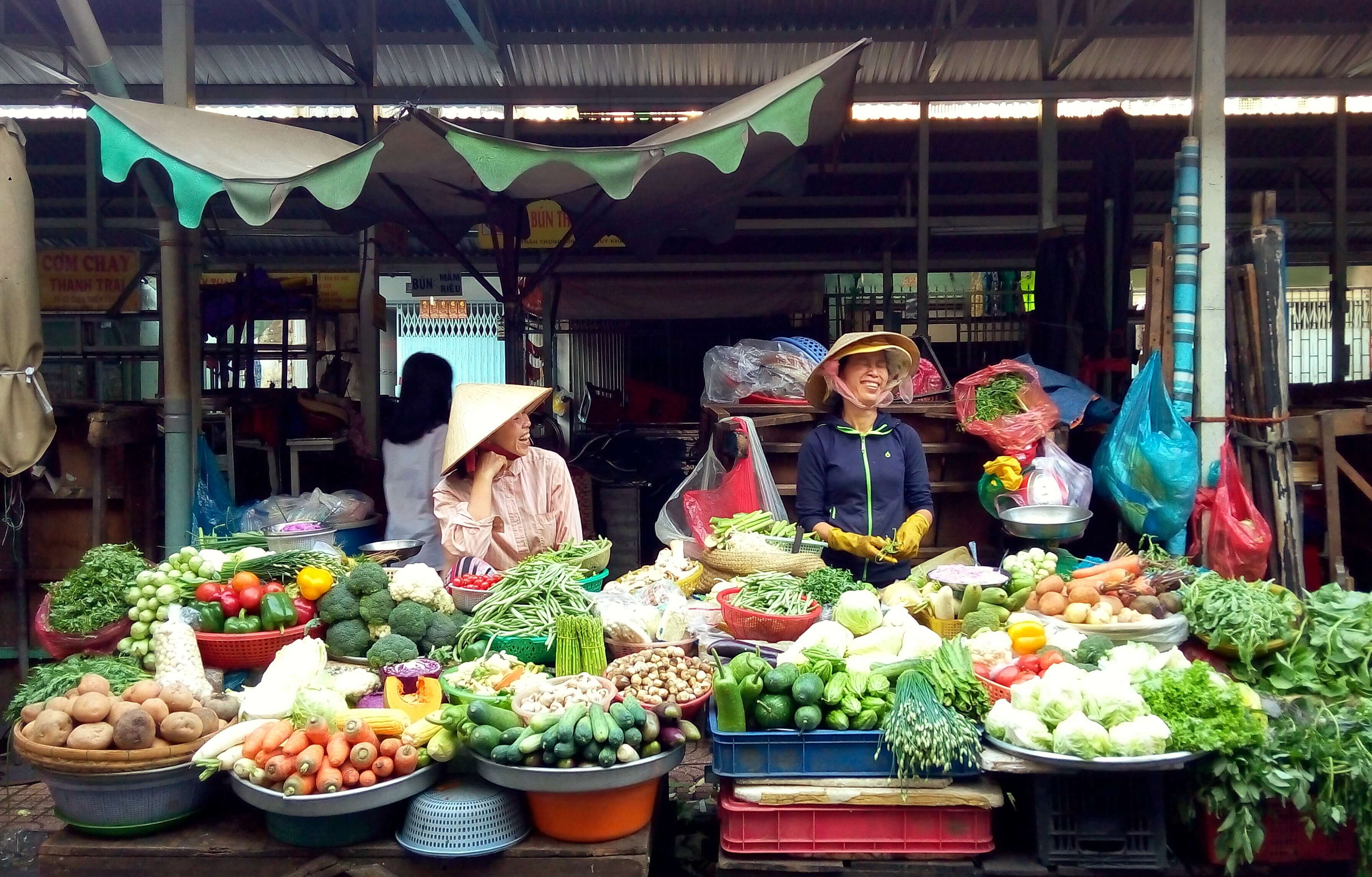






Forget the famous landmarks for a moment. If you want to understand a place, follow the smell of breakfast, the gossip of vendors, and the person arguing passionately over the price of mangoes.
Every travel guide has a plan for you.
Visit the ancient temple. Photograph the famous bridge. Stand in front of the palace and pretend you know something about its architecture. Then find a restaurant with excellent reviews, order the dish everyone recommends, and congratulate yourself on having experienced the local culture.
But there is one place that rarely gets enough attention: the ordinary local market.
Not necessarily the beautiful market with a restored roof, souvenir shops, and guided tours. I mean the real one — the place where someone is buying fish before work, a grandmother is inspecting tomatoes like a professional detective, and a vendor has been selling the same noodles for so long that half the neighborhood probably remembers eating them as children.
A market may not appear on every must-see list. Yet spend an hour there, and you might learn more about a destination than you would from an entire afternoon of reading information boards.
And you might also discover that you are hungry enough to eat something you cannot pronounce.
1. The Market Reveals What People Actually Eat

A restaurant menu tells you what a chef wants to serve you. A local market tells you what people take home to cook.
That difference matters.
Walk through a market in Vietnam, and you may encounter mountains of leafy herbs, bundles of morning glory, fresh noodles, tofu, tropical fruit, and fish displayed beside vegetables destined for someone’s lunch. In Thailand, you might find fragrant lemongrass, galangal, chilies, coconuts, and ingredients for the curries that make your taste buds reconsider their life choices.
In Italy, a market might reveal the importance of seasonal produce, regional cheeses, fresh pasta, and ingredients that change with the time of year. In Japan, neat displays of fish, mushrooms, pickles, and seasonal vegetables offer clues to the ingredients that shape everyday meals.
You begin to notice patterns.
Which fruits are piled highest? What do people buy in large quantities? Which ingredients appear at almost every stall? What is being sold cheaply because it is in season?
These details tell a story about local tastes, agriculture, climate, and cooking habits.
They can also challenge your assumptions. The dish you thought represented an entire country may be just one regional specialty. A famous restaurant meal may be reserved for celebrations, while the food people eat most often is much simpler.
The market is where food stops being a tourist attraction and becomes part of ordinary life.
And if you happen to discover a fruit you have never seen before, buy one. Pointing at something mysterious and asking, “What is this?” is a perfectly respectable travel strategy. Just make sure you know how to eat it before attempting to do so in public.
2. The Best Time to Visit Might Be Before Breakfast
Many travelers organize their mornings around hotel breakfast and sightseeing schedules.
Markets have their own timetable.
In many places, the day begins long before the tourist attractions open. Deliveries arrive, vendors arrange their produce, cooks prepare steaming pots of soup, and the first customers arrive with shopping bags and very specific opinions about freshness.
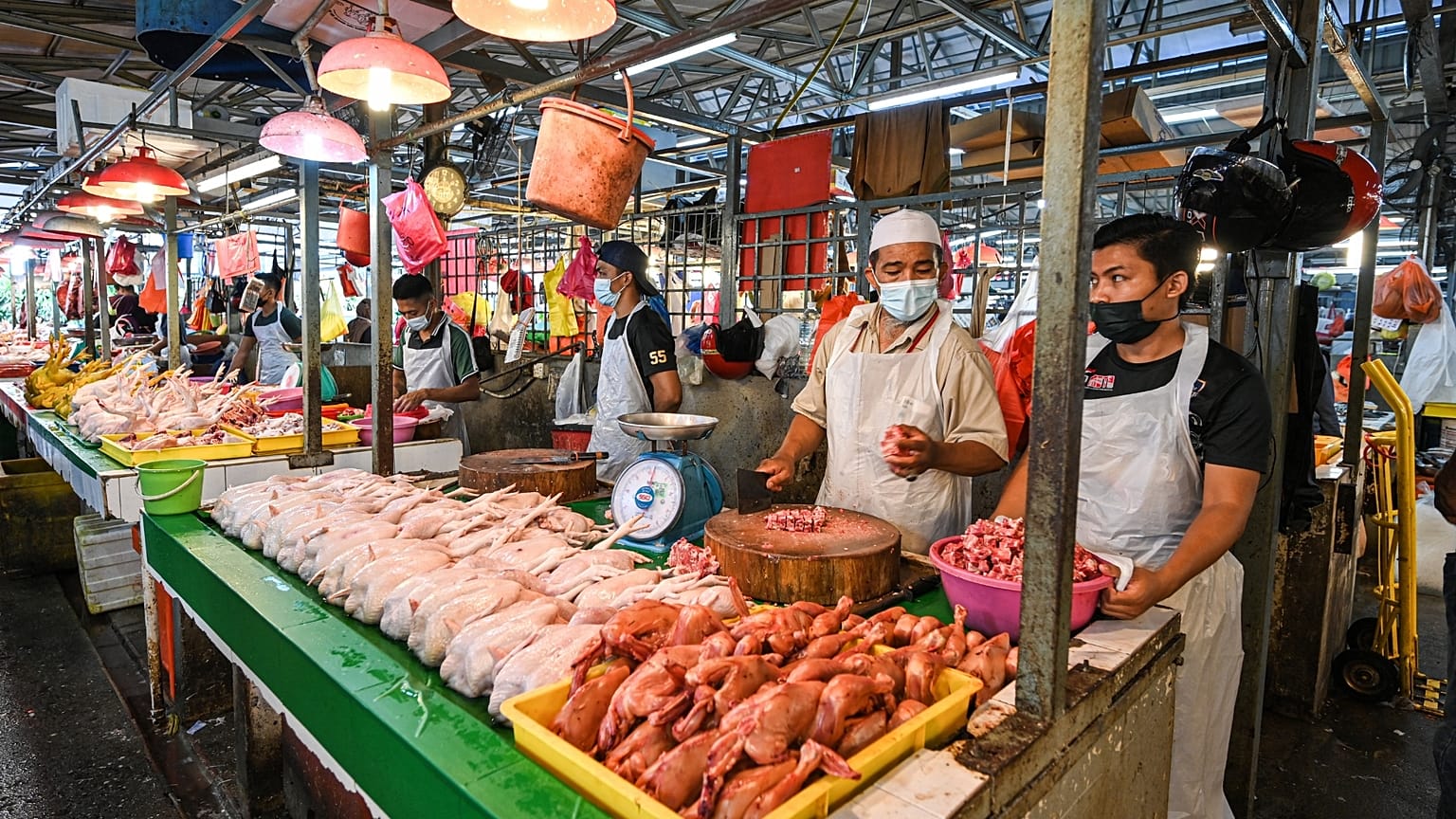
In Vietnamese wet markets, early mornings can be especially lively. Fish, meat, vegetables, and herbs move quickly from sellers to shoppers. Nearby food stalls serve breakfast to people who have places to be and absolutely no interest in waiting forty minutes for a photograph of their coffee.
The atmosphere is practical rather than theatrical. People are shopping because they need ingredients for the day, not because someone told them the market was an authentic cultural experience.
That is precisely what makes it interesting.
You may see a restaurant owner selecting produce, a parent buying breakfast for the family, or an older customer greeting a vendor they have known for years. These small exchanges reveal how a neighborhood functions.
Of course, not every market wakes up at dawn. Night markets, weekend farmers' markets, and weekly rural markets follow different rhythms. The trick is to find out when local people actually use the place.
Arrive at the right time, and you see the market doing its real job.
Arrive at the wrong time, and you may find yourself staring at closed shutters, wondering whether the entire town has collectively decided to take the day off.
3. Bargaining Is About More Than Money
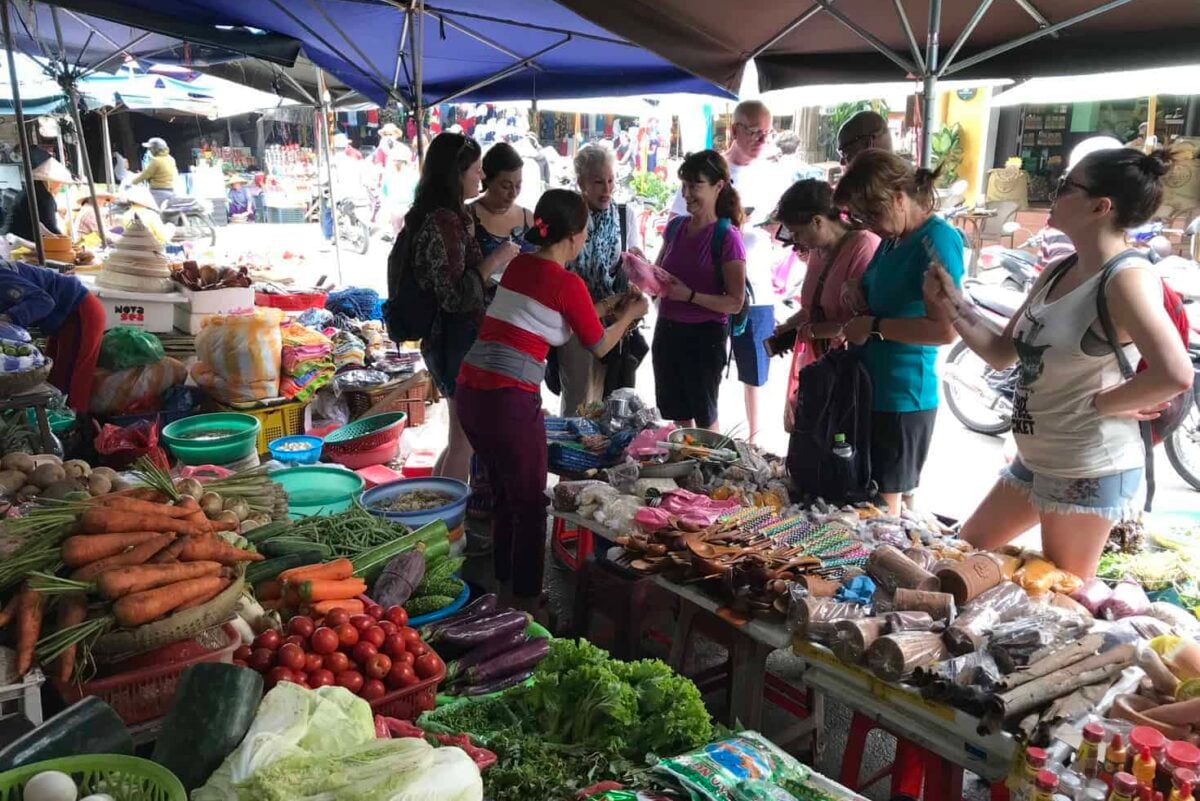 At some markets, prices are fixed. At others, bargaining is part of the experience.
For an inexperienced traveler, this can feel like an unexpected examination.
The seller names a price. You consider your options. You remember a tip you read online. You offer a lower amount with the confidence of someone who has never negotiated anything more complicated than an extra pillow at a hotel.
The seller looks at you.
You immediately reconsider your entire strategy.
But bargaining can reveal something about local social customs. In some places, it is a normal part of shopping, especially for souvenirs, clothing, or certain market goods. In others, negotiating over everyday food prices may be unusual or unwelcome.
The important thing is to understand the context.
Watch how local customers behave. Ask politely whether the price is fixed. If bargaining is expected, keep it friendly. A smile and a sense of humor will usually take you further than treating the transaction like an international trade dispute.
And remember: a small discount is not necessarily worth making someone’s working day miserable.
A market is not a competition in which the traveler wins by paying the least possible amount. It is an exchange between people, often involving livelihoods that matter far more than the few coins you might save.
Sometimes the most useful phrase to learn is not “How much?” but “Thank you.”
4. Every Stall Has a Story — Even the Unremarkable Ones

Travelers naturally gravitate toward unusual things: exotic fruit, unfamiliar spices, colorful sweets, and seafood that looks as though it might have arrived from another planet.
But some of the most revealing details are surprisingly ordinary.
Why does one vendor sell only tofu? Why does a particular stall have a queue when the neighboring one is empty? Why do customers greet one seller like an old friend but barely acknowledge another?
The answers may involve reputation, family history, quality, convenience, or years of trust.
In many traditional markets, regular customers return to the same vendors repeatedly. A seller may know which customer prefers ripe mangoes, who wants a particular cut of meat, or who is cooking for a family gathering.
That relationship is difficult to capture in a guidebook.
Imagine buying ingredients from someone who has spent decades learning how to choose the best produce. You point to a fruit, and the seller gently redirects you toward another one because the first is not ready to eat.
You have just received a tiny lesson in local knowledge — and possibly avoided taking home a mango with the personality of a wooden door.
If you are curious, ask simple questions. What is this ingredient called? How do people usually cook it? Is it in season? What would you recommend trying?
Not every vendor will have time to chat, and that is perfectly reasonable. Markets are workplaces, not museums with unlimited opportunities for questions.
But when someone does share a tip or a story, you may discover that the most memorable part of your visit was not something you bought. It was something you learned.
5. A Market Is a Delicious Map of the Seasons
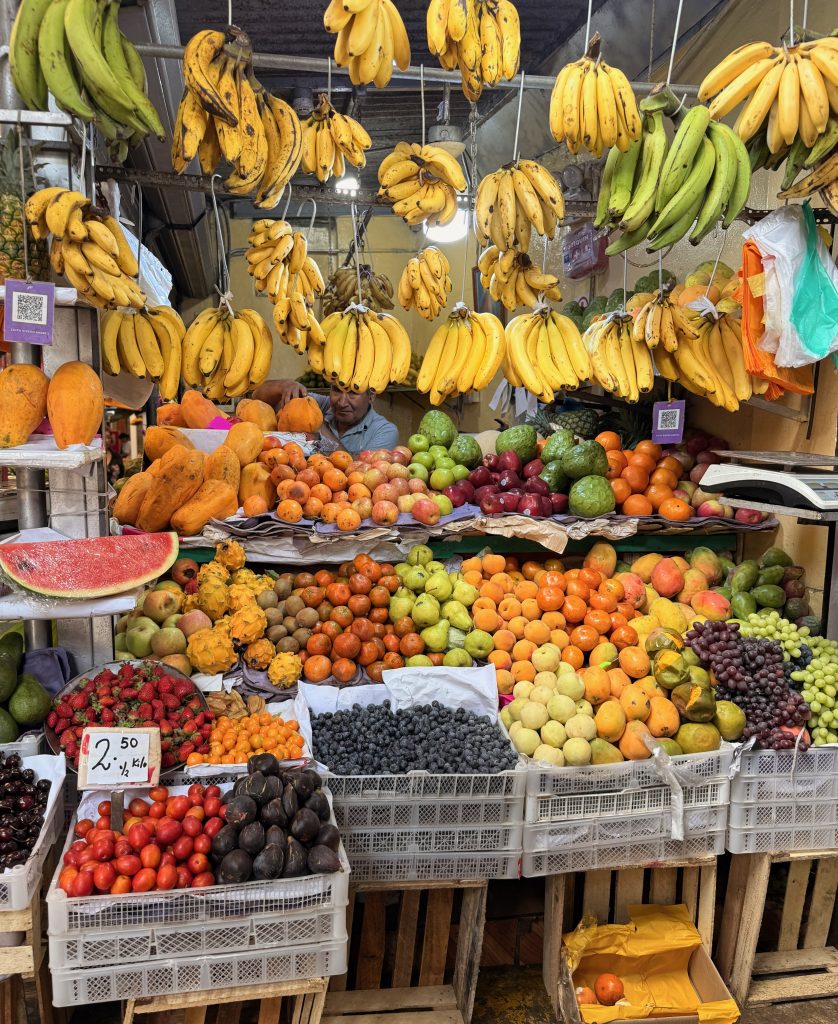 A travel guide might tell you that a destination is beautiful in spring or that autumn is the best time to visit.
A market shows you what the season actually tastes like.
Spring might bring tender vegetables and fragrant herbs. Summer can fill stalls with juicy fruit. Autumn may introduce mushrooms, pumpkins, nuts, or other local specialties. Winter might mean root vegetables, citrus, preserved foods, and ingredients for warming soups.
The details vary from place to place, but the principle is the same: food follows the seasons.
This is one reason a market can make a return visit feel completely different. The stalls may be familiar, but their contents have changed. A fruit you saw last year may be gone. Something you barely noticed before may suddenly dominate the displays.
Seasonality also offers a clue to local celebrations. Certain ingredients appear around festivals, weddings, harvest periods, or family gatherings. Special foods may be prepared only at particular times of year.
Suddenly, a pile of rice cakes or a basket of unusual fruit is more than something to photograph. It becomes part of a larger story about time, tradition, and community.
And yes, it is also an excellent excuse to eat something you would never normally buy.
You came to learn about the season. The fact that you are carrying three bags of snacks is entirely unrelated.
6. Follow Your Nose, but Use Your Eyes Too
Markets are sensory places. You hear vendors calling out, customers chatting, knives tapping against chopping boards, and plastic bags rustling as purchases change hands.
Then there are the smells.
Fresh herbs. Grilled meat. Hot bread. Fermented ingredients. Sweet fruit. Spices warming in oil.
Sometimes all these aromas compete at once, creating a scent that is impossible to describe accurately but extremely effective at changing your lunch plans.
Food stalls can be especially revealing because they show which dishes people eat when they are busy, tired, or simply hungry.
A small counter serving one type of noodle soup may tell you more about everyday breakfast than an elaborate restaurant serving a dozen carefully styled dishes. A vendor making the same snack all morning reveals which foods are popular enough to sustain a business.
Look for signs of regular local customers, fresh ingredients, and food prepared and cooked properly. If you decide to eat at a stall, choose food that suits your comfort level and any dietary needs you have. A lively atmosphere is appealing, but it is not a substitute for sensible food-safety choices.
Also, do not assume that the most unusual-looking food is automatically the most authentic. Sometimes the most meaningful dish is a simple bowl of noodles that locals have been eating for generations.
Your taste buds do not need a dramatic plot twist at every meal.
Sometimes they just need a very good lunch.
7. The Market Shows You What a City Values

A market sells more than food.
Depending on the destination, you might find handmade baskets, woven textiles, cooking utensils, flowers, household tools, traditional clothing, or small objects connected to local crafts.
These goods offer clues to the skills, materials, and industries that shape a community.
A coastal market may reflect the importance of fishing. A mountain market might bring together farmers and craftspeople from surrounding villages. A city market may reveal a mix of regional ingredients, imported products, and goods serving a rapidly changing population.
Some markets are also important social meeting places. People come to shop, but they may also exchange news, catch up with neighbors, or maintain relationships that stretch back years.
In parts of rural Vietnam, for example, certain traditional markets take place weekly rather than every day, bringing together people from surrounding communities. Their significance can extend beyond commerce to social life and local identity.
This is where a market becomes especially interesting: it reveals not just what people buy, but how people connect.
A grand monument may tell you what a city wants visitors to remember. A market can show you what its residents need every day.
Both stories matter. They simply answer different questions.
The Best Souvenir Might Be a Story
At the end of a trip, you may remember the famous landmarks. You may keep photographs of beautiful buildings and buy souvenirs to take home.
But you might also remember the vendor who helped you choose a ripe fruit, the breakfast stall you discovered by following a crowd, or the unfamiliar ingredient that turned out to be the highlight of your day.
These moments rarely appear in the official itinerary.
They are small, ordinary, and sometimes deliciously messy. That is their charm.
A local market will not tell you everything about a destination. It cannot explain every historical event, political change, or cultural tradition. For those, books, museums, and knowledgeable guides remain invaluable.
But a market can show you how a place lives between the big events and famous attractions. It can introduce you to its everyday flavors, seasonal habits, working routines, and human connections.
So the next time you arrive in a new city, leave a little room in your schedule.
Find the nearest local market. Walk slowly. Look closely. Ask a question or two. Follow the smell of something delicious.
You might come away with a bag of fruit, a new favorite breakfast, and a slightly alarming number of snacks.
More importantly, you may leave with something no travel guide can fully provide: a glimpse of what life feels like when you are not just visiting a place, but paying attention to it.