Home Reviews Games HTML5 Games Blogs About us
Home Reviews Games

Reviews Games

Detailed reviews of the hottest games right now

Total: 34 reviews
Roblox: Fruit Battlegrounds Review — Why Players Can’t Stop Chasing the Next Perfect Fight

Roblox: Fruit Battlegrounds Review — Why Players Can’t Stop Chasing the Next Perfect Fight

A deep Roblox: Fruit Battlegrounds review exploring fast-paced PvP combat, fruit abilities, progression systems, replayability, and competitive mastery.


Roblox Review: Why Roblox Feels Less Like a Game and More Like a Living Digital Playground

Roblox Review: Why Roblox Feels Less Like a Game and More Like a Living Digital Playground

A deep Roblox review exploring creativity, multiplayer chaos, player-driven worlds, and why millions still lose hours inside its evolving universe.


Roblox: Climb and Jump Tower Review — Why Players Can’t Stop Chasing the Top

Roblox: Climb and Jump Tower Review — Why Players Can’t Stop Chasing the Top

A deep Roblox: Climb and Jump Tower review exploring vertical progression, multiplayer competition, parkour mechanics, and the addictive climb to the summit.


Roblox: Anime Adventures Review — Why Players Keep Returning to This Tower Defense Phenomenon

Roblox: Anime Adventures Review — Why Players Keep Returning to This Tower Defense Phenomenon

A deep Roblox: Anime Adventures review exploring strategy, unit collection, progression, replayability, and why the game remains a fan favorite.


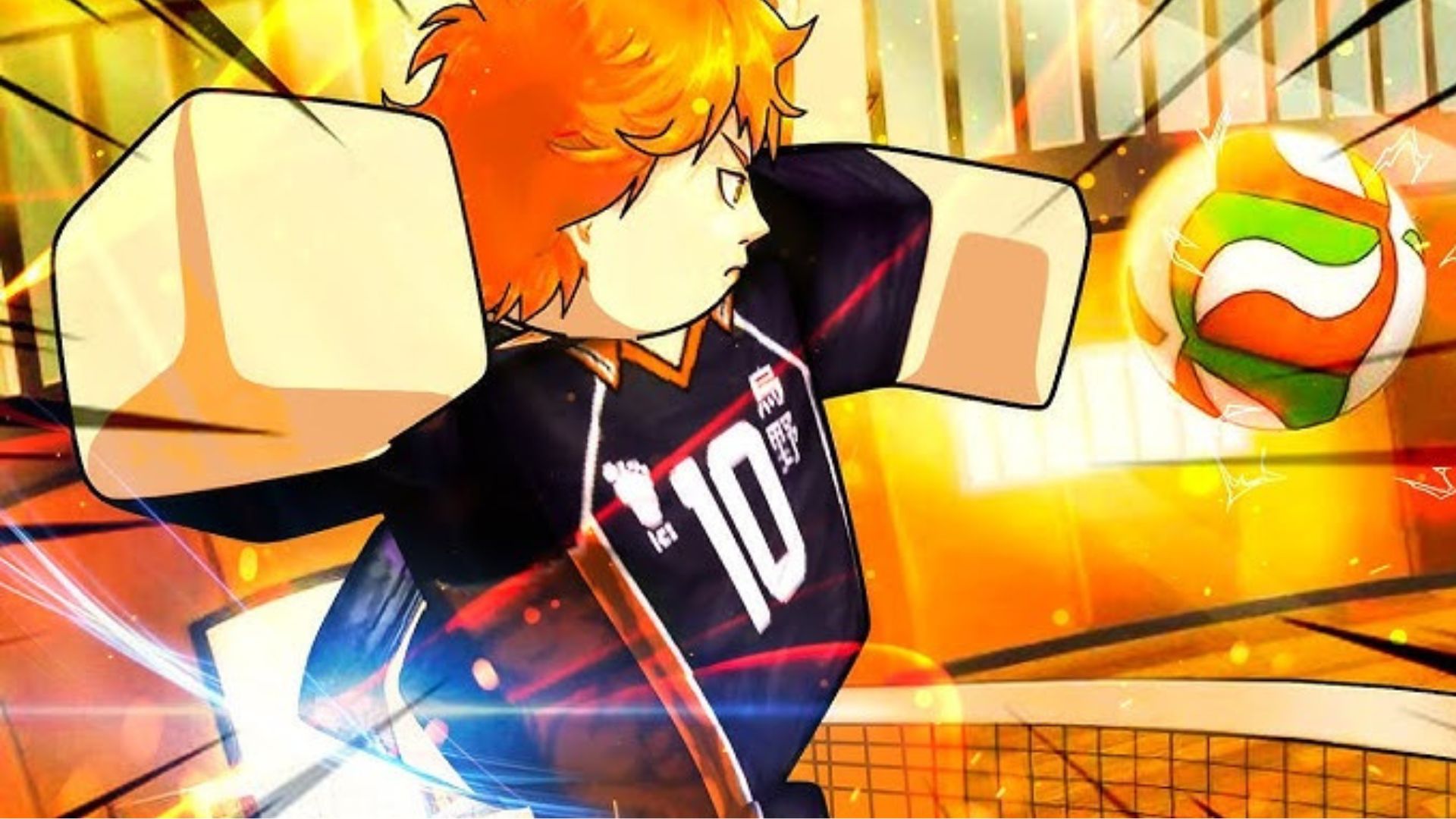
Roblox: Haikyuu Legends Review — Why Players Can’t Stop Chasing the Perfect Spike

Roblox: Haikyuu Legends Review — Why Players Can’t Stop Chasing the Perfect Spike

  Short Introduction Roblox: Haikyuu Legends transforms volleyball into a thrilling competitive experience where teamwork, timing, and determination create unforgettable moments. First Impressions and Atmosphere The first match in Haikyuu Legends feels deceptively simple. A volleyball court. Two teams. One ball. One objective. Then the match begins. Suddenly, the court feels much smaller than expected. Every movement matters. Every mistake becomes visible. Every successful play creates a burst of excitement that echoes through the entire arena. Unlike many Roblox sports games that focus heavily on flashy effects, Haikyuu Legends succeeds because it captures tension. Real tension. The atmosphere mirrors the emotional energy that makes competitive volleyball so compelling. Long rallies create anticipation. Perfectly timed blocks generate momentum. Last-second saves create panic and excitement simultaneously. I remember my first genuinely competitive match. The score was tied. The rally lasted far longer than expected. Neither team wanted to make the mistake that would decide the game. For several seconds, nobody seemed willing to breathe. When the final point arrived, the reaction felt far more intense than a simple Roblox match had any right to feel. That emotional investment became one of the game's greatest strengths. The visual design embraces bright anime-inspired aesthetics without sacrificing readability. Character animations remain expressive, while courts, arenas, and effects create energy without becoming overwhelming. The world feels competitive. But also welcoming. A difficult balance. Haikyuu Legends manages it surprisingly well. Gameplay Mechanics and Core Systems At its core, Haikyuu Legends revolves around a deceptively challenging gameplay loop: Position correctly Receive the ball Coordinate with teammates Execute attacks Defend effectively Score points Improve through repetition The concept appears straightforward. The execution isn't. Timing becomes everything. Players quickly learn that volleyball mechanics rely on precision rather than brute force. Successful spikes require positioning. Blocks require anticipation. Receives require quick reactions. Sets require awareness. The game rewards understanding. Not button mashing. One aspect that impressed me was how naturally skill progression occurs. Early matches feel chaotic. Players chase the ball without structure. Coordination breaks down constantly. Then something changes. You begin recognizing patterns. Reading opponents. Anticipating trajectories. Understanding positioning. The game becomes deeper with every hour played. Character progression systems provide additional motivation. Unlockables, customization options, player development, and progression goals create a satisfying sense of growth without overshadowing skill-based gameplay. The result is a competitive experience where mechanical improvement matters as much as numerical progression. World Design and Player Immersion Haikyuu Legends doesn't rely on massive open worlds. Its immersion comes from focus. The court becomes the world. Every section matters. Every position carries responsibility. The confined playing area creates remarkable emotional intensity. Players become familiar with every corner of the court because success depends on understanding spatial relationships constantly. I found myself developing strange attachments to specific positions. Certain areas felt comfortable. Others felt dangerous. Not because the game told me so. Because experience taught me. The arenas themselves contribute significantly to immersion. Crowds, visual effects, environmental design, and match presentation create the feeling of participating in meaningful competition rather than casual recreation. The atmosphere grows stronger during close matches. Especially late at night. When every point feels important. When every mistake feels personal. When the game stops feeling like a game and starts feeling like a competition. The Emotional Experience and Player Psychology Haikyuu Legends understands competitive psychology remarkably well. The game creates emotional investment through teamwork. Individual skill matters. Team coordination matters more. That distinction changes everything. Victories feel shared. Defeats feel collective. Success becomes more meaningful because players rarely achieve it alone. One of the most powerful emotional experiences in the game comes from improvement itself. Early mistakes become future strengths. Missed receives become successful saves. Failed blocks become highlight moments. Players witness their own growth directly. The progression feels earned. Not granted. Another important factor is unpredictability. Every match feels different. Different teammates. Different opponents. Different situations. That variety keeps emotional engagement remarkably high. Real Gameplay Moments and Examples One match remains particularly memorable. Our team was losing badly. Communication felt disorganized. Mistakes piled up. Everything suggested an inevitable defeat. Then momentum shifted. A successful block led to a point. That point created confidence. Confidence improved coordination. Coordination created opportunities. Suddenly the match became competitive again. The comeback wasn't dramatic enough to become a viral clip. But it remains one of my favorite gaming memories because every player contributed. Another memorable moment involved a failed spike. At least, it was supposed to be a failed spike. I mistimed the attack completely. The ball bounced awkwardly. The opposing team hesitated. Nobody expected it. The point somehow worked. Everyone involved seemed equally confused. The match chat became more entertaining than the point itself. Sports games thrive on unpredictability. Haikyuu Legends understands that perfectly. Strengths and Weaknesses Strengths Haikyuu Legends excels in several important areas: Strong volleyball mechanics Meaningful teamwork systems High skill ceiling Competitive depth Excellent replayability Satisfying progression Strong match pacing Most importantly, success feels earned. Players improve because they learn. Not because statistics increase. Weaknesses The game isn't flawless. New players may find the learning curve intimidating. Volleyball mechanics require precision, and early mistakes can feel frustrating. Match quality depends heavily on teammates. Strong coordination creates incredible experiences, while poor communication can reduce enjoyment significantly. Balance discussions occasionally emerge regarding specific abilities, roles, or character builds. Certain progression systems may also feel slow for players seeking immediate rewards. Patience remains important. Improvement takes time. Advanced Perspective and Long-Term Replayability Haikyuu Legends becomes increasingly rewarding as player skill improves. The early game teaches mechanics. The mid-game teaches strategy. The late game teaches mastery. These stages feel distinct. Experienced players begin analyzing positioning, opponent tendencies, timing windows, and advanced team coordination. The game evolves from reaction-based gameplay into strategic competition. That evolution creates remarkable longevity. Many sports games become repetitive. Haikyuu Legends avoids this because no two matches unfold identically. Human opponents guarantee variety. The community further strengthens replayability. Competitive discussions, gameplay highlights, strategy guides, team formation, and content creation generate ongoing engagement. Players don't simply play matches. They analyze them. Trends, Popularity, and Community Growth Haikyuu Legends benefits from several major trends within Roblox gaming: Anime-inspired sports experiences Competitive multiplayer gameplay Skill-based progression Team-focused mechanics Content creator engagement Replay-driven communities Sports-focused Roblox experiences continue attracting players who want competition without relying exclusively on combat systems. Haikyuu Legends occupies this niche effectively. The game's content creation appeal also contributes to growth. Highlight plays, dramatic rallies, clutch saves, and tournament-style matches generate highly shareable moments. According to broader Roblox competitive gaming trends, skill-based multiplayer experiences continue demonstrating strong player retention through community engagement and repeat match participation. [Source: Roblox Competitive Trends Report, 2025] Source: The Rise of Competitive Sports Games on Roblox Why Team-Based Gameplay Builds Strong Communities The Psychology of Competitive Improvement How Multiplayer Rivalries Drive Retention The Evolution of Anime-Inspired Sports Experiences The game's success reflects growing demand for competitive experiences centered around teamwork rather than combat. Comparison With Similar Games Compared with Volleyball Legends, Haikyuu Legends often places greater emphasis on anime-inspired presentation and character identity. Compared with Rocket League, it relies more heavily on team positioning and technical execution rather than constant mechanical chaos. Compared with many Roblox sports experiences, Haikyuu Legends offers a stronger balance between accessibility and mastery. The difference lies in emotional design. The game wants players to care about every point. And most of the time, they do. Common Misunderstandings or Criticism One common misconception is that Haikyuu Legends rewards only individual talent. Not true. Individual skill helps. Teamwork wins matches. Players who ignore coordination often struggle regardless of mechanical ability. Another criticism involves pacing. Some players expect constant action and become frustrated by positioning, setup plays, or defensive sequences. Yet these moments create tension. Without them, successful spikes would feel meaningless. There are also ongoing discussions regarding balance and progression systems. Such debates are inevitable in competitive games. The important point is that the core volleyball mechanics remain strong enough to support long-term competition. Reference: How Teamwork Creates Emotional Investment The Evolution of Competitive Sports Gaming Balancing Skill and Accessibility in Multiplayer Games Why Match Variety Improves Replayability The Psychology of Competitive Mastery Final Verdict and Closing Thoughts Haikyuu Legends succeeds because it understands something many competitive games forget. Players don't remember statistics. They remember moments. The impossible save. The perfect set. The match-winning spike. The comeback nobody expected. The game transforms volleyball into a compelling competitive experience built on teamwork, skill, progression, and emotional investment. Every match creates opportunities for improvement. Every mistake becomes a lesson. Every victory feels genuinely earned. Its flaws are real. The learning curve can be intimidating. Team quality varies dramatically. Progression occasionally feels slow. Yet the experience remains remarkably engaging. For players who enjoy competitive multiplayer gameplay, teamwork-focused mechanics, skill-based progression, and the emotional highs that only sports games can create, Haikyuu Legends stands among Roblox's most rewarding competitive experiences. And long after the final whistle blows, players continue returning to the court for one simple reason: Somewhere in the next match, another perfect rally is waiting to become a memory.


Roblox: Anime Saga Review — Why Players Can’t Stop Chasing the Next Battle

Roblox: Anime Saga Review — Why Players Can’t Stop Chasing the Next Battle

  Short Introduction Roblox: Anime Saga blends fast-paced combat, anime-inspired progression, and rewarding exploration into an action RPG that constantly pushes players forward. First Impressions and Atmosphere The first thing that stood out to me about Anime Saga wasn't a weapon. It wasn't a boss. It wasn't even the combat system. It was momentum. Many Roblox anime games spend their opening hours explaining systems, introducing currencies, and gradually unlocking features. Anime Saga feels different. The world immediately suggests movement. Enemies roam nearby. Quests wait around every corner. Stronger players rush past with abilities that hint at possibilities far beyond your current understanding. The atmosphere is driven by ambition. You enter the world weak. Everyone around you seems powerful. That contrast creates curiosity. The visual presentation embraces colorful anime-inspired environments without becoming overwhelming. Cities feel busy. Battlefields feel dangerous. Training areas hum with activity. Every location communicates progression. One evening, after completing several quest chains, I stopped on a cliff overlooking a glowing landscape below. For a moment, the combat disappeared. The objectives disappeared. There was only the world. Moments like that matter. They remind players that progression feels more meaningful when attached to memorable places. The sound design supports the experience effectively. Ability impacts feel heavy. Movement sounds remain responsive. Combat effects create excitement without drowning out everything else. The world feels alive. Not because it tells you it is. Because it behaves that way. Gameplay Mechanics and Core Systems At its core, Anime Saga revolves around a familiar action RPG formula. Defeat enemies. Complete quests. Strengthen your character. Unlock new abilities. Challenge stronger content. Repeat. The structure isn't revolutionary. The execution is what matters. Combat remains the centerpiece of the experience. Movement feels fluid, attacks feel responsive, and progression creates noticeable differences in power. Early encounters that once felt challenging eventually become effortless. That sensation never gets old. Players can develop different combat styles through abilities, equipment choices, and character progression. Some builds emphasize raw damage. Others focus on mobility, area attacks, or survivability. This flexibility creates experimentation. And experimentation creates replayability. I spent an entire evening testing different ability combinations rather than advancing the main progression path. Objectively, it wasn't efficient. Emotionally, it was one of the most enjoyable sessions I had. The game rewards curiosity almost as much as efficiency. The progression systems reinforce this design philosophy. Levels, equipment upgrades, resource collection, and ability improvements create multiple paths toward growth. There is always something improving. Always another goal. Always another reason to continue. World Design and Player Immersion Anime Saga's world succeeds because it encourages movement. Players rarely stay in one location for long. New quests lead to unfamiliar regions. Stronger enemies occupy distant zones. Better rewards wait beyond current boundaries. Exploration becomes progression. That distinction is important. Many RPGs separate advancement from discovery. Anime Saga frequently combines them. Every new area feels like a reward. Not merely a requirement. The environments themselves offer strong visual variety. Different regions establish distinct identities through architecture, terrain, enemy types, and environmental storytelling. Over time, these locations become associated with personal experiences. A training ground reminds you of early struggles. A dangerous region becomes connected to a memorable boss victory. A particular city feels familiar because you spent countless hours preparing for future challenges there. These memories create immersion. Not through scripted narratives. Through player experiences. The Emotional Experience and Player Psychology Anime Saga thrives on anticipation. The game constantly suggests future possibilities. A stronger ability. A better weapon. A higher level. A difficult challenge. Every accomplishment reveals another objective. Yet the progression rarely feels exhausting because rewards arrive consistently. Players experience regular moments of satisfaction. Small victories matter. The emotional cycle becomes remarkably effective: Effort creates progress. Progress creates confidence. Confidence encourages risk-taking. Risk-taking leads to discovery. Discovery creates new goals. The process repeats naturally. One aspect I found particularly interesting was how attached I became to specific abilities. Certain skills remained favorites long after stronger alternatives became available. They felt familiar. Reliable. Part of my character's identity. That emotional attachment cannot be measured through statistics. Yet it significantly influences long-term engagement. Real Gameplay Moments and Examples One of my favorite memories involved a boss encounter I approached far too early. The warning signs were obvious. The recommended level suggested caution. My confidence suggested otherwise. The fight lasted approximately thirty seconds. Most of those seconds were spent realizing my mistake. The defeat was immediate. And strangely memorable. A few days later, I returned stronger and better prepared. The rematch felt entirely different. What had once seemed impossible now felt manageable. Those moments define progression-based games. Not the victories themselves. The contrast between who you were and who you became. Another memorable experience occurred during a late-night exploration session. I wandered into an area I hadn't planned to visit and discovered an entirely new set of challenges. The original objective disappeared. Curiosity took control. Three hours later, I finally remembered what I had intended to do. Good RPGs create detours. Great RPGs make those detours memorable. Strengths and Weaknesses Strengths Anime Saga delivers several notable strengths: Fast and satisfying combat Strong progression systems Meaningful exploration Flexible character development Engaging world design High replayability Consistent sense of advancement Most importantly, the game maintains momentum. Players rarely feel directionless. Weaknesses The game is not without flaws. Grinding becomes increasingly noticeable during later progression stages. Certain upgrades require significant resource investment, slowing pacing temporarily. Quest structures occasionally become repetitive. While the environments remain interesting, objectives sometimes rely heavily on defeating large groups of enemies. Balance discussions also emerge around certain abilities and equipment combinations. As with many progression-focused RPGs, some options inevitably outperform others. The complexity of multiple progression systems may overwhelm newcomers initially. Patience helps. A lot. Advanced Perspective and Long-Term Replayability Anime Saga becomes more interesting as players gain experience. The early game focuses on learning systems. The mid-game emphasizes optimization. The late game revolves around mastery. These phases feel distinct. Experienced players begin understanding resource efficiency, ability synergy, enemy patterns, and progression planning in ways newer players cannot. The game transforms. Not mechanically. Psychologically. Veterans see opportunities where newcomers see obstacles. That mastery curve creates long-term retention. Community engagement strengthens this further. Players discuss builds, progression routes, challenge strategies, update changes, and optimization techniques constantly. The game becomes a conversation. Not merely an activity. Trends, Popularity, and Community Growth Anime Saga aligns with several powerful trends within Roblox gaming: Anime-inspired experiences Action RPG progression Multiplayer cooperation Character customization Collection systems Live-service updates These trends continue attracting large audiences across the platform. Content creation plays a major role as well. Build guides, progression videos, boss showcases, update reviews, and challenge runs generate ongoing visibility. Players enjoy learning. They enjoy sharing discoveries. Anime Saga benefits from both behaviors. According to broader Roblox RPG engagement trends, progression-focused anime experiences continue maintaining strong player retention through regular content updates and community interaction. [Source: Roblox RPG Engagement Report, 2025] Source: The Rise of Anime-Inspired Action RPGs Why Progression Systems Drive Long-Term Engagement The Psychology of Character Growth How Exploration Improves Player Retention The Evolution of Multiplayer RPG Communities The game's popularity reflects broader player demand for experiences that combine action and progression effectively. Comparison With Similar Games Compared with Anime Adventures, Anime Saga places far greater emphasis on direct player combat and active engagement. Compared with Blox Fruits, it often feels more focused on structured progression and character development. Compared with many anime-inspired Roblox RPGs, Anime Saga strikes a stronger balance between accessibility and depth. The differences are subtle. But meaningful. Anime Saga succeeds because it prioritizes player involvement. Every battle feels personal. Common Misunderstandings or Criticism One common misconception is that Anime Saga becomes enjoyable only after significant progression. Not true. The later content offers greater depth, but the core combat systems remain engaging from the beginning. Another criticism focuses on grinding. This criticism is fair. Certain progression milestones require substantial time investment. Players seeking constant novelty may find repetition frustrating. Some community discussions also revolve around balance concerns. Again, understandable. Any game built around evolving progression systems faces similar challenges. The important point is that the underlying gameplay remains strong enough to support those systems. Reference: How Action RPGs Sustain Long-Term Interest Balancing Progression and Accessibility The Evolution of Anime Gaming Communities Why Character Investment Drives Retention The Relationship Between Mastery and Replayability Final Verdict and Closing Thoughts Anime Saga succeeds because it understands something essential about RPG design. Players don't simply want rewards. They want growth. The game transforms combat, exploration, progression, and discovery into a journey that feels consistently rewarding. Every level matters. Every ability matters. Every challenge contributes to a larger sense of advancement. Its flaws are real. Grinding exists. Certain systems become repetitive. Balance discussions continue evolving. Yet the overall experience remains compelling. For players who enjoy anime-inspired adventures, action RPG progression, exploration systems, character customization, and the satisfaction of becoming stronger through effort, Anime Saga offers one of Roblox's more engaging long-term experiences. And long after the newest ability has been unlocked, the strongest enemy defeated, and the next objective completed, players continue returning for a familiar feeling: The sense that somewhere ahead, another challenge is waiting to reveal just how far they've come.


Roblox: Blox Fruits Review — Why Players Keep Sailing Back Into Its Endless Pirate World

Roblox: Blox Fruits Review — Why Players Keep Sailing Back Into Its Endless Pirate World

A deep Roblox: Blox Fruits review exploring combat, grinding, exploration, PvP chaos, and the emotional pull behind its massive pirate adventure.


Roblox: Anime World Tower Defense Review — The Hidden Depth Behind One of Roblox’s Most Addictive Anime Strategy Games

Roblox: Anime World Tower Defense Review — The Hidden Depth Behind One of Roblox’s Most Addictive Anime Strategy Games

A deep Roblox: Anime World Tower Defense review exploring unit strategy, progression, anime worlds, replayability, and long-term tower defense appeal.


GTA V Review: Why Los Santos Still Feels Alive More Than a Decade Later

GTA V Review: Why Los Santos Still Feels Alive More Than a Decade Later

  Introduction Some games entertain for a few weeks. Others become places you remember. GTA V belongs firmly in the second category. First Impressions and Atmosphere The first thing that struck me when returning to GTA V wasn't the scale of Los Santos. It was the feeling. The city breathes in a way few virtual worlds ever have. Morning sunlight spills across downtown skyscrapers. Traffic crawls through intersections while distant sirens echo between concrete canyons. On the outskirts, dusty highways stretch toward mountains wrapped in haze. Even after hundreds of hours, Los Santos still feels less like a game map and more like a living location. The visual presentation has aged remarkably well. While newer games undoubtedly offer more advanced lighting technologies and denser textures, GTA V compensates with extraordinary artistic direction. Every district possesses a unique identity. Wealthy neighborhoods contrast sharply with industrial zones. Beachfront boardwalks buzz with life while remote desert roads evoke isolation. Environmental storytelling quietly enhances immersion. A broken-down vehicle abandoned near a dirt road. Graffiti-covered walls beneath overpasses. Small conversations overheard while walking through crowded areas. None of these details demand attention. Yet together they create authenticity. Sound design deserves equal praise. The distant hum of traffic, radio stations, helicopter blades overhead, and ambient city noise constantly reinforce the illusion of a functioning world. There were moments late at night when I simply parked on a hill overlooking the city and listened. Not because a mission required it. Because the atmosphere invited it. Gameplay Mechanics and Core Systems At its core, GTA V remains one of the most successful examples of open-world sandbox design. The gameplay loop appears simple: Accept missions. Earn money. Acquire vehicles. Explore. Cause chaos. Repeat. Yet underneath that simplicity lies an interconnected network of systems that constantly encourage experimentation. Driving remains one of the game's greatest strengths. Every vehicle category feels distinct. Sports cars hug corners aggressively while heavy trucks require patience and control. Movement is fluid without feeling overly arcade-like. Combat, meanwhile, sits somewhere between accessibility and depth. The cover system works reliably, weapons feel impactful, and firefights maintain a cinematic quality. The shooting mechanics won't rival dedicated tactical shooters. They don't need to. Their purpose is to support the broader experience. Character switching remains one of GTA V's most innovative features. Instantly moving between Michael, Franklin, and Trevor transforms storytelling and gameplay pacing. Each protagonist offers different skills and perspectives. The result is a campaign that rarely feels stagnant. Economy systems provide meaningful progression without overwhelming complexity. Players can invest in properties, purchase vehicles, modify equipment, and gradually expand their influence throughout Los Santos. Exploration rewards curiosity. One moment you're heading toward a mission marker. The next, you've spent forty minutes racing motorcycles across mountains or chasing a random event you stumbled upon entirely by accident. That unpredictability remains one of GTA V's greatest achievements. World Design and Player Immersion Few open worlds encourage aimless exploration as effectively as GTA V. Los Santos and Blaine County aren't merely large. They're diverse. The transition from urban sprawl to rural wilderness feels natural. Dense city blocks give way to rolling hills, forests, deserts, and coastlines. Every region tells a different story. Downtown Los Santos represents ambition and excess. Vespucci Beach captures leisure and vanity. Sandy Shores embodies decay and desperation. Mount Chiliad offers mystery and isolation. I still remember getting distracted while driving toward a mission near Vinewood. An unfamiliar dirt trail appeared on my minimap. Two hours later, I found myself at the summit of Mount Chiliad watching sunrise illuminate the entire map. The original objective had been forgotten entirely. That kind of spontaneous adventure cannot be scripted. It emerges from exceptional world design. The map feels handcrafted despite its enormous scale. Every road seems placed intentionally. Every viewpoint feels earned. Every neighborhood possesses character. Players eventually develop emotional attachments to locations. Not because the game tells them to. Because they've created memories there. The Emotional Experience and Player Psychology GTA V succeeds because it understands something fundamental about player psychology. Freedom creates ownership. When players are allowed to create their own stories, those stories become more memorable than scripted events. The game constantly balances structure and spontaneity. Main missions deliver cinematic spectacle. The open world provides unpredictability. This combination generates emotional investment. There are moments of excitement. Moments of frustration. Moments of absurd comedy. And moments of surprising calm. A high-speed police chase through downtown traffic creates adrenaline. Watching sunset from a remote beach creates reflection. Both experiences belong naturally within the same world. Replayability stems from this emotional variety. Few sessions unfold identically. Players return because they know something unexpected may happen. Not necessarily because new content exists. But because the systems continue producing fresh experiences. Source: The Evolution of Open-World Game Design Why Sandbox Games Create Stronger Player Memories Environmental Storytelling in Modern Interactive Worlds The Psychology Behind Open-World Exploration How Player Freedom Increases Long-Term Engagement Real Gameplay Moments and Examples Some of my favorite memories from GTA V involve complete accidents. One evening I attempted a simple vehicle delivery mission. Halfway there, a collision launched my car into a roadside gas station. An explosion followed. Police arrived. Then helicopters. Then military vehicles. What should have taken five minutes evolved into a thirty-minute survival scenario across mountains and forests. Another memorable moment occurred while flying above the Pacific Ocean during a storm. Lightning illuminated the clouds. Rain hammered the aircraft. For a brief moment, the mission objective disappeared from my mind. I simply enjoyed the spectacle. Then there was Trevor. Many players remember Trevor for his unpredictability. I remember accidentally switching to him only to discover he'd somehow ended up wearing questionable clothing in the middle of nowhere. Those unexpected character transitions remain consistently entertaining. The best GTA V stories often emerge between missions rather than during them. That is a rare achievement. Strengths and Weaknesses Strengths Exceptional open-world design Los Santos remains one of gaming's most believable environments. Outstanding environmental storytelling Small details create immersion without relying on exposition. Memorable protagonists Michael, Franklin, and Trevor provide unique perspectives and motivations. Strong gameplay variety Driving, shooting, flying, exploration, and side activities prevent monotony. Remarkable replayability Player freedom ensures different experiences across multiple playthroughs. Weaknesses Some mission structures feel restrictive Ironically, the open world offers more freedom than many story missions. Combat shows its age While functional, shooting mechanics occasionally lack precision compared to modern standards. Economic progression can feel uneven Certain purchases become trivial late-game while others feel overpriced. Side content quality varies Not every activity reaches the same standard as the main campaign. Despite these flaws, few significantly damage the overall experience. Advanced Perspective and Long-Term Replayability The longer you play GTA V, the more depth reveals itself. Initially, players focus on missions. Later, they begin mastering systems. Vehicle handling becomes second nature. Map knowledge improves. Economic opportunities expand. Exploration grows more intentional. Then GTA Online enters the equation. Whether players enjoy competitive activities, cooperative missions, business management, racing, or roleplaying communities, the multiplayer component dramatically extends longevity. Years after release, communities continue generating new stories daily. That level of retention is rare. Most games fade. GTA V evolved. Trends, Popularity, and Community Growth GTA V has become more than a successful game. It has become a cultural phenomenon. Streaming platforms continue featuring GTA content years after launch. Roleplay servers attract massive audiences and generate millions of views across content platforms. According to industry reports from organizations such as the Take-Two Interactive and industry analysts, GTA V remains one of the best-selling entertainment products ever created. [Source: Take-Two Interactive, Annual Reports] The game's longevity highlights broader trends within the gaming industry. Players increasingly seek experiences that encourage creativity, social interaction, and emergent storytelling. GTA V delivers all three. Its community remains active because the game empowers players to create experiences rather than simply consume content. Reference: The Rise of Persistent Multiplayer Communities How Replayability Extends Game Lifecycles The Business Impact of Long-Term Player Retention Why Open Worlds Continue Dominating Modern Gaming Community-Driven Content and Player Engagement Comparison With Similar Games Compared with Red Dead Redemption 2, GTA V offers faster pacing and greater urban density. Compared with Watch Dogs 2, GTA V delivers stronger world-building and more memorable protagonists. Compared with Saints Row IV, GTA V feels more grounded despite its occasional absurdity. Each title excels differently. What separates GTA V is balance. It successfully combines storytelling, exploration, sandbox freedom, action, and social systems without allowing any single element to dominate. That harmony remains difficult to replicate. Common Misunderstandings or Criticism Some critics argue GTA V relies too heavily on chaos and spectacle. That criticism overlooks the quieter strengths of the experience. Beneath explosions and criminal escapades lies a carefully constructed world filled with subtle details and environmental storytelling. Others claim the gameplay has aged poorly. Certain mechanics certainly reveal their age. However, great design often outlasts technical limitations. Many players continue returning because the underlying systems remain engaging. Another common misconception is that GTA V is only enjoyable when causing destruction. In reality, some of the game's strongest moments emerge during simple exploration, casual driving, or unexpected discoveries far away from mission objectives. Final Verdict and Closing Thoughts More than a decade after release, GTA V remains one of the most compelling open-world games ever created. Not because every mechanic is perfect. Not because every mission is revolutionary. But because Los Santos still feels alive. The city possesses a rare quality that many modern games chase yet struggle to achieve. It invites curiosity. It rewards experimentation. It transforms routine activities into memorable stories. Players who enjoy open-world exploration, sandbox systems, emergent gameplay, and richly detailed environments will find countless reasons to stay invested. Even today. Long after the credits roll. Long after the biggest heists are completed. Long after the final mission is finished. There's a good chance you'll find yourself returning to Los Santos one evening, driving without a destination, watching city lights flicker in the distance, and remembering exactly why GTA V became unforgettable in the first place.


Roblox: King Legacy Review — Why Players Can’t Stop Sailing Back Into This Expansive Pirate Adventure

Roblox: King Legacy Review — Why Players Can’t Stop Sailing Back Into This Expansive Pirate Adventure

  Short Introduction Roblox: King Legacy transforms a simple pirate fantasy into a sprawling adventure filled with discovery, ambition, and the constant pursuit of power. First Impressions and Atmosphere The first few hours of King Legacy feel like standing at the edge of an enormous ocean without fully understanding how far it stretches. You begin small. A weak fighter. Limited resources. Modest abilities. The world, however, immediately suggests something much larger. Islands rise from the horizon like distant promises. Ships move across open waters. Powerful players streak through the sky using abilities you can't even identify yet. Every direction hints at unexplored possibilities. That sense of scale becomes one of King Legacy's greatest strengths. Unlike many progression-focused Roblox experiences that feel confined to repetitive grinding loops, King Legacy creates the illusion of a living adventure. Travel matters. Discovery matters. Exploration feels meaningful even when it isn't directly rewarding. One evening, I intended to spend thirty minutes completing quests. Instead, I spent nearly two hours sailing toward islands I had never visited simply because they looked interesting from a distance. The objective disappeared. Curiosity took over. The atmosphere encourages that behavior. The art style embraces bright colors and exaggerated anime-inspired aesthetics. Tropical coastlines, mysterious ruins, snowy regions, volcanic landscapes, and dangerous oceans all contribute to a world that feels adventurous rather than threatening. There are moments when the game becomes surprisingly cinematic. A stormy sky overhead. An empty ocean below. A distant island slowly emerging from the horizon. Simple visuals. Strong emotions. Gameplay Mechanics and Core Systems At its core, King Legacy combines RPG progression, open-world exploration, combat mechanics, and collection systems into a single experience. The gameplay loop appears straightforward: Complete quests Defeat enemies Gain experience Increase stats Unlock abilities Acquire stronger powers Explore new regions Yet the game's strength comes from how these systems support one another. Progression rarely feels isolated. A new level might unlock access to stronger enemies. Stronger enemies provide better rewards. Better rewards support exploration. Exploration reveals new opportunities. Everything connects. Combat mechanics remain accessible while offering enough depth to encourage long-term mastery. Players can specialize in melee combat, sword combat, ranged combat, or powerful fruit abilities. The fruits themselves become central to the experience. Obtaining a new fruit isn't simply acquiring stronger damage numbers. It's acquiring a new identity. A new playstyle. A new way of interacting with the world. I remember spending days trying to obtain a specific fruit. The anticipation became almost as enjoyable as finally receiving it. Almost. Nothing quite matches the excitement of finally seeing something you've been chasing appear on screen. World Design and Player Immersion King Legacy's world succeeds because it feels like a journey rather than a checklist. The map isn't simply divided into progression zones. It's divided into memories. An early island reminds you of difficult grinding sessions. A later region becomes associated with your first major boss victory. Another location exists purely because you discovered something unexpected there. Over time, these places become personal landmarks. The oceans deserve particular credit. Many games treat travel as an inconvenience. King Legacy transforms travel into atmosphere. Long voyages create breathing room between combat encounters. Players have opportunities to reflect, plan, explore, or simply enjoy the scenery. Late at night, I occasionally found myself sailing without any particular destination. Just moving. Watching the environment pass by. The experience felt oddly peaceful. That kind of immersion is difficult to manufacture intentionally. King Legacy achieves it naturally. The Emotional Experience and Player Psychology King Legacy understands progression psychology remarkably well. The game constantly places meaningful goals just beyond reach. A stronger fruit. A better weapon. A higher level. A new island. A difficult boss. Every accomplishment immediately introduces another objective. Yet this rarely feels manipulative. Instead, it feels motivating. The game balances short-term rewards with long-term ambitions effectively. Small victories occur frequently enough to maintain momentum, while larger milestones remain visible on the horizon. This creates a powerful emotional cycle. Effort leads to growth. Growth creates confidence. Confidence encourages exploration. Exploration generates new goals. The process repeats. What surprised me most was how attached I became to certain aspects of my character progression. Specific weapons, fruits, and locations remained meaningful long after stronger alternatives became available. Efficiency mattered. Familiarity mattered more. Real Gameplay Moments and Examples One particular memory still stands out. I had spent hours preparing for a difficult boss encounter. Resources were stocked. Abilities were upgraded. Strategies were planned. The battle lasted less than two minutes. The preparation took longer than the fight itself. Yet the victory felt incredible. Not because the boss was especially difficult. Because the journey leading to that moment made it meaningful. Another memorable experience involved accidentally discovering an island while traveling toward an entirely different objective. The detour consumed the rest of the evening. I found hidden quests, new enemies, unexpected rewards, and several opportunities I hadn't planned for. The original objective was forgotten completely. I never regretted it. Great open-world games create these moments. King Legacy creates them regularly. Strengths and Weaknesses Strengths King Legacy excels in several important areas: Strong open-world exploration Meaningful progression systems Satisfying combat variety Excellent sense of adventure Diverse fruit abilities Long-term replayability Strong player freedom Perhaps its greatest achievement is maintaining a constant feeling of momentum. Players rarely feel stuck. There is always another objective waiting. Weaknesses The game is not without flaws. Grinding becomes increasingly noticeable during later progression stages. Certain level requirements can slow momentum considerably, particularly for casual players. Quest variety occasionally becomes repetitive. Many objectives revolve around defeating large numbers of enemies repeatedly. Balance discussions surrounding fruits and combat styles emerge regularly within the community. Certain builds often dominate strategic conversations. Travel, while immersive, can sometimes become time-consuming during extensive farming sessions. The experience remains rewarding. But patience is required. Advanced Perspective and Long-Term Replayability The true appeal of King Legacy emerges after dozens of hours. Many Roblox RPGs reveal their limitations quickly. King Legacy expands. Advanced players begin optimizing builds, experimenting with fruit combinations, refining combat techniques, and mastering increasingly difficult content. The progression curve continues evolving. What initially feels like an exploration game gradually becomes a mastery game. Experienced players understand enemy patterns, movement techniques, resource management, and efficient farming routes in ways newcomers cannot. That knowledge creates depth. The community strengthens replayability further. Players constantly discuss builds, fruits, updates, combat strategies, farming locations, and progression routes. The game becomes more than a collection of mechanics. It becomes a shared experience. Trends, Popularity, and Community Growth King Legacy benefits from several major gaming trends: Open-world progression systems Anime-inspired adventures Collection-based mechanics Exploration-focused gameplay Multiplayer social interaction Continuous content updates These trends have proven remarkably effective within Roblox's ecosystem. Content creation has amplified the game's popularity significantly. Progression challenges, fruit showcases, boss battles, exploration guides, and update discussions generate ongoing community engagement. Players don't simply play King Legacy. They discuss it. Analyze it. Share discoveries. According to broader Roblox RPG engagement trends, exploration-focused anime adventures continue attracting highly active player communities. [Source: Roblox RPG Trends Report, 2025] Source: The Rise of Open-World Anime Adventures Why Exploration Increases Long-Term Retention The Psychology of Progression-Based RPGs How Community Interaction Sustains Online Worlds The Evolution of Roblox Adventure Games The game's popularity reflects broader shifts toward player-driven progression and exploration. Comparison With Similar Games Compared with Blox Fruits, King Legacy often feels more focused on exploration and adventure pacing than pure progression efficiency. Compared with Fruit Battlegrounds, it emphasizes world-building and long-term character development over direct competitive combat. Compared with many anime-inspired RPGs on Roblox, King Legacy creates a stronger sense of personal journey. The differences are subtle. But meaningful. King Legacy prioritizes adventure. That decision shapes the entire experience. Common Misunderstandings or Criticism One common misconception is that obtaining a rare fruit immediately transforms the experience. It doesn't. Strong fruits help. Knowledge helps more. Experienced players consistently outperform inexperienced players regardless of equipment advantages because they understand positioning, timing, movement, and progression systems. Another criticism focuses on grinding. The criticism is fair. King Legacy occasionally demands significant time investment, particularly during later stages of progression. Some players enjoy this structure because it creates meaningful accomplishments. Others find it exhausting. Neither perspective is wrong. The game simply prioritizes long-term investment. Reference: How Exploration Builds Emotional Attachment Balancing Progression and Freedom in RPG Design The Evolution of Anime-Inspired Open Worlds Why Long-Term Goals Increase Player Retention Community-Driven Growth in Multiplayer RPGs Final Verdict and Closing Thoughts King Legacy succeeds because it understands something fundamental about adventure games. Players don't merely want power. They want the journey toward power. The game transforms leveling, exploration, combat, and progression into a continuous cycle of discovery. Every island feels like an opportunity. Every fruit feels like a possibility. Every voyage feels like the beginning of another story. Its flaws are real. Grinding becomes significant. Certain systems grow repetitive. Balance discussions remain ongoing. Yet the experience continues to resonate. For players who enjoy open-world gameplay, RPG progression, exploration systems, multiplayer interaction, and the thrill of chasing distant goals, King Legacy remains one of Roblox's most rewarding adventures. And long after the levels have been earned, the bosses defeated, and the rare fruits collected, players continue returning for a feeling that never completely disappears: The belief that somewhere beyond the next island, another unforgettable adventure is waiting.