

Short Introduction
Roblox rarely impresses instantly. Then suddenly it is 2AM, you are laughing with strangers, and another strange digital memory quietly exists forever.
First Impressions and Atmosphere
The first few hours inside Roblox can feel overwhelming in a way few games do.
Not because the mechanics are complicated. Because the platform barely resembles a traditional game at all.
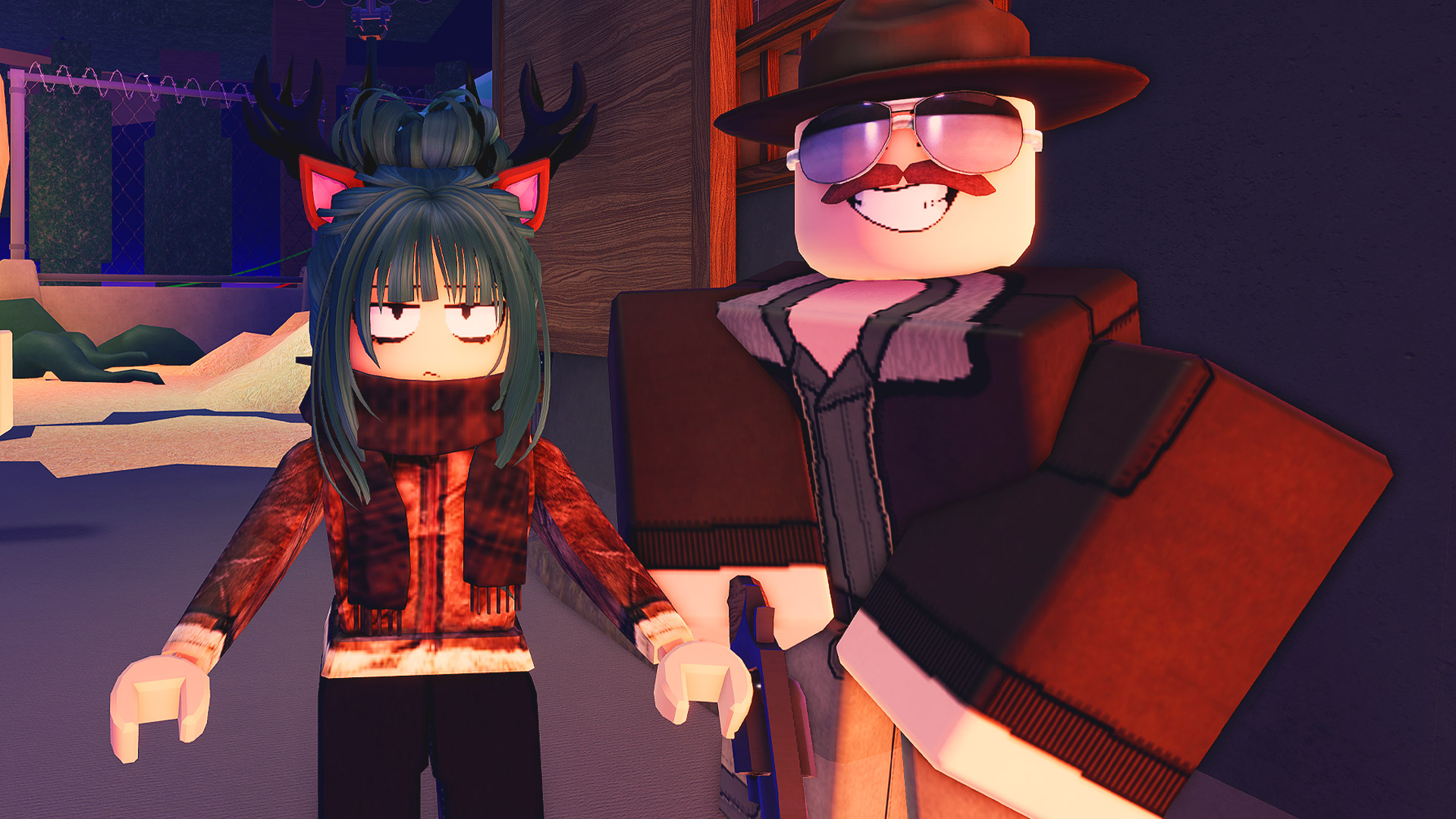
One moment you are inside a colorful roleplay city filled with neon cafés and chaotic voice chat. Ten minutes later, you are surviving a natural disaster on a collapsing tower while dozens of blocky avatars scream and jump in every direction. Then somehow you end up wandering through a surprisingly quiet horror experience lit only by flickering hallway lights and distant ambient sound.
Roblox does not have one atmosphere.
It contains thousands.
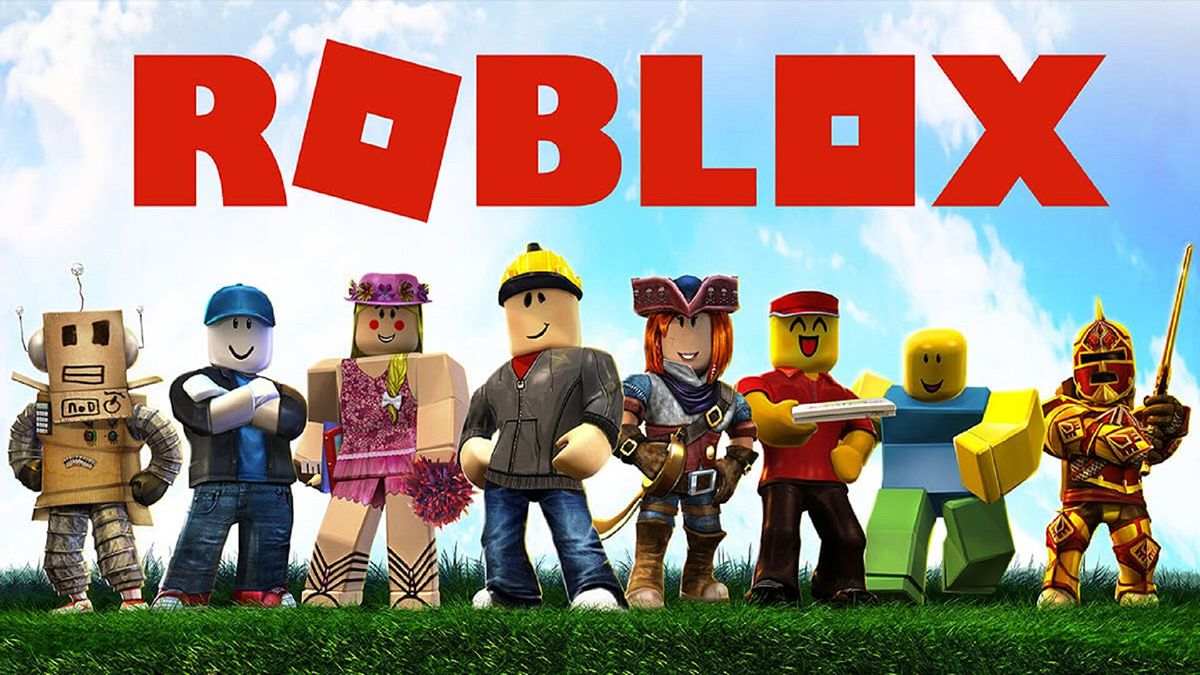
That unpredictability becomes part of its identity. The visual style remains simple and accessible, but beneath the blocky avatars exists an ecosystem overflowing with wildly different moods, genres, pacing styles, and player communities.
Some experiences feel messy and amateurish. Others feel startlingly polished.
Late at night, certain Roblox worlds become strangely atmospheric. Rain effects hitting empty city streets. Neon reflections across digital puddles. Soft piano music inside a virtual apartment while random players silently decorate rooms nearby.
There were moments I stopped moving entirely just to absorb how oddly human the environment felt despite its technical simplicity.
Then somebody wearing a banana costume sprinted through the room carrying a rocket launcher.
That contrast defines Roblox better than any feature list ever could.
The sound design varies enormously depending on the creator, but the strongest experiences understand environmental tension remarkably well. Distant footsteps in horror maps. Busy city ambience inside roleplay servers. Sudden silence before a multiplayer round begins.
Even weak graphics sometimes disappear emotionally because the social energy carries everything else forward.
Gameplay Mechanics and Core Systems
Reviewing Roblox mechanically is difficult because the platform functions more like a digital ecosystem than a singular game.
Its core gameplay loop revolves around discovery.
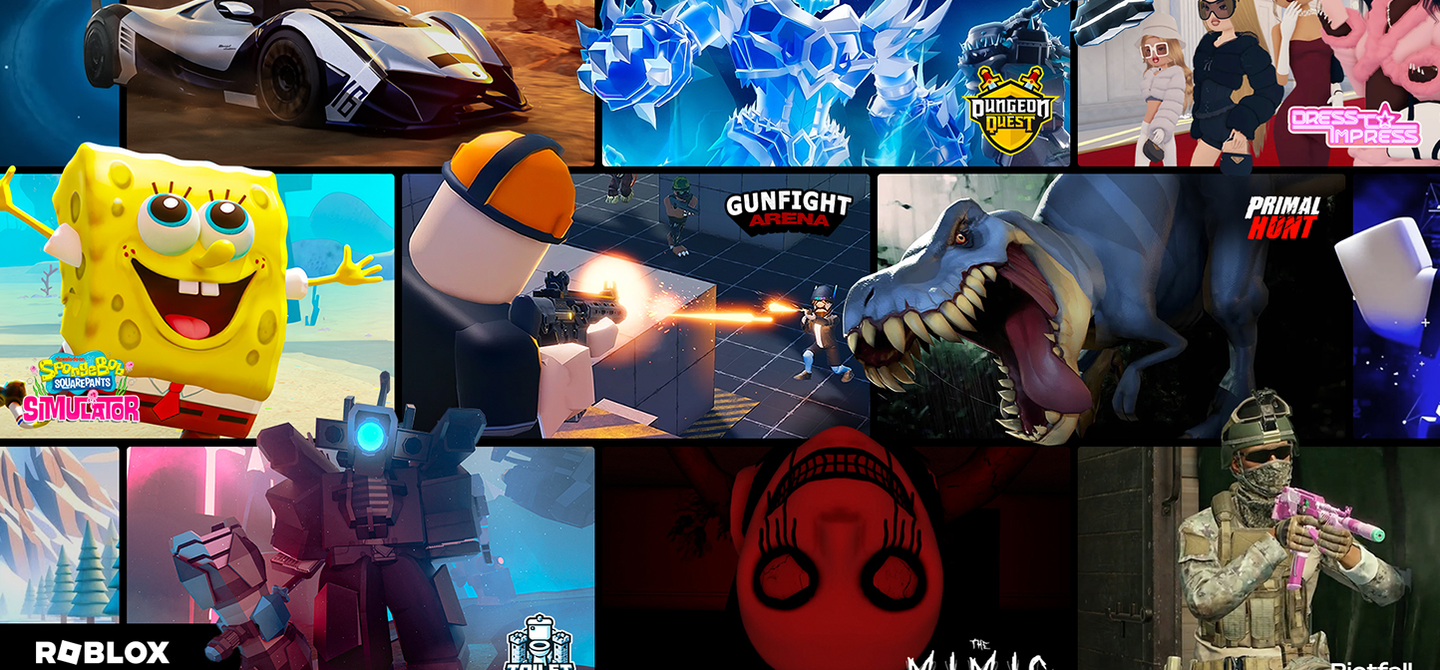
Players browse experiences, experiment, fail, socialize, customize avatars, earn currency, unlock cosmetics, and constantly jump between genres. Survival mechanics, competitive shooters, obstacle courses, sandbox systems, tycoon management, roleplay communities, horror games, racing simulators, and social hangouts all coexist inside the same platform.
That variety creates both Roblox’s greatest strength and its biggest weakness.
Movement mechanics remain intentionally simple. Jumping, sprinting, climbing, interacting, and camera controls are approachable even for younger audiences. But combat quality varies dramatically between experiences. Some games offer surprisingly responsive gunplay and progression systems. Others feel clunky, unfinished, or technically unstable.
The platform’s economy systems deserve particular attention.
Robux, cosmetic items, premium content, trading systems, player-created assets, and monetized progression structures create a genuine virtual economy. For creators, Roblox becomes not just a game platform but an entrepreneurial ecosystem.
That ecosystem has helped Roblox remain culturally relevant for years. According to Roblox Corporation financial reports, the platform continues maintaining tens of millions of daily active users globally. [Source: Roblox Corporation Investor Reports, 2025]
Still, monetization creates friction.
Certain experiences aggressively push microtransactions, faster progression, or premium advantages. Younger players especially may struggle recognizing manipulative reward systems hidden beneath colorful presentation.
Pacing also varies wildly.
Some Roblox experiences feel tightly designed and endlessly replayable. Others lose momentum within fifteen minutes. Discovery itself becomes part of the gameplay loop because players constantly search for worlds worth emotionally investing in.
That search can become exhausting.
It can also become addictive.
World Design and Player Immersion
Roblox’s world design thrives on unpredictability rather than consistency.
Traditional open-world games carefully control immersion through handcrafted pacing and environmental storytelling. Roblox instead creates immersion socially. Worlds become memorable because of what happened there with other players.
I still remember wandering through a virtual Japanese-inspired town during a thunderstorm event while random players silently sat beneath lanterns near a train station. Nothing mechanically important happened.
Yet the moment felt strangely real.
Then there are the bizarre spaces.
Half-finished roleplay maps. Overcrowded social hubs. Creepy abandoned servers with only two active players remaining online. Tiny horror experiences built by independent creators that somehow generate more tension than major studio games.
Roblox constantly fluctuates between amateur chaos and accidental brilliance.
Environmental detail depends entirely on the creator’s ambition. Some maps feel empty and repetitive. Others achieve remarkable atmosphere despite technical limitations. Lighting systems, weather effects, ambient audio, and player density often shape immersion more than graphical fidelity itself.
And because the platform emphasizes community interaction so heavily, emotional attachment forms differently here compared to most sandbox games.
Players remember servers. Friend groups. Events. Inside jokes. Failed obstacle jumps. Awkward roleplay interactions. Random strangers who unexpectedly stayed online for hours.
Roblox worlds rarely feel static because they are built around human unpredictability.
The Emotional Experience and Player Psychology
Roblox succeeds psychologically because it taps directly into curiosity.
There is always another experience waiting somewhere. Another social interaction. Another hidden game mode. Another community. Another bizarre idea created by someone halfway across the world.
That endless novelty keeps players emotionally engaged even when individual experiences feel imperfect.
The platform also rewards experimentation unusually well.
Failure inside Roblox rarely feels catastrophic because players can instantly move elsewhere. That freedom encourages exploration and lowers emotional friction. People try genres they would normally ignore simply because access feels immediate.
But Roblox also creates surprisingly personal emotional memories.
I remember staying inside a disaster survival server long after my friends logged off because the atmosphere shifted unexpectedly during nighttime maps. Wind sounds echoed through empty structures while avatars gathered silently on rooftops waiting for the next round.
For a few minutes, the chaos disappeared.
The game felt oddly lonely.
Then the tornado arrived and everybody started screaming again.
That emotional unpredictability matters.
Social engagement becomes the platform’s strongest retention mechanic. Multiplayer interaction constantly generates stories no developer fully scripted. Humor emerges naturally. Frustration emerges naturally too.
And because Roblox encourages player identity through customization, users often develop genuine attachment to avatars, communities, and favorite experiences.
Especially younger audiences.
Real Gameplay Moments and Examples
One of my favorite Roblox memories involved absolutely no objective whatsoever.
A few friends and I entered a simple apartment roleplay server expecting to leave after ten minutes. Instead, somebody started playing virtual piano music near the lobby. Random players gathered silently around the performance. Then someone dimmed the lights inside the building.
Nobody coordinated it.
The atmosphere simply happened.
An hour disappeared.
Another moment was pure chaos. Inside a survival game, our entire group attempted escaping a flooding facility while alarms blared overhead. Doors closed unexpectedly. Players panicked. Half the lobby accidentally trapped themselves inside a stairwell because somebody misunderstood the map layout.
We laughed harder than during many major multiplayer releases.
Roblox thrives on these unscripted emotional swings.
Then there are the strange discoveries.
Tiny horror projects buried beneath the algorithm. Experimental puzzle maps with almost no players. Beautifully designed worlds hidden behind awkward thumbnails. Small communities quietly building experiences with genuine artistic ambition.
The platform rewards wandering.
Sometimes too much.
I lost entire evenings hopping between random experiences instead of committing to anything meaningful. That lack of structure becomes both charming and frustrating depending on your mood.
Strengths and Weaknesses
Strengths
Roblox’s greatest strength is creative freedom.
The platform allows enormous diversity in gameplay structure, visual identity, social systems, progression design, and community engagement. Few gaming ecosystems offer this much player-generated variety at such massive scale.
The multiplayer experience remains highly accessible. Players instantly connect, experiment, and socialize without heavy onboarding. Replayability feels almost endless because content generation never truly stops.
Roblox also empowers creators uniquely. Independent developers can build communities, games, businesses, and careers inside the ecosystem itself.
That matters.
Weaknesses
But Roblox absolutely struggles with consistency.
Quality control remains unpredictable. Many experiences feel unfinished, repetitive, or monetization-heavy. Discovery algorithms occasionally prioritize engagement loops over genuinely creative projects.
Technical limitations still appear frequently too.
Animation quality varies dramatically. Physics can become unstable. User interfaces sometimes feel cluttered or confusing across different experiences. Moderation challenges also remain an ongoing concern given the platform’s enormous young audience.
And emotionally, Roblox can feel exhausting.
The constant flood of new content creates overstimulation. Players sometimes spend more time searching for good experiences than actually enjoying them.
Still, the platform’s ambition outweighs many frustrations.
Advanced Perspective and Long-Term Replayability
Long-term replayability inside Roblox functions differently from traditional games because retention comes primarily from communities rather than progression systems alone.
Experienced players eventually stop asking, “What game should I beat?”
Instead they ask:
“What kind of experience do I want tonight?”
Competitive shooters. Relaxing roleplay. Horror maps. Sandbox building. Social hangouts. Racing servers. Obstacle challenges. Experimental indie projects.
Roblox adapts constantly to player mood.
That flexibility creates extraordinary longevity.
Advanced creators meanwhile push the platform far beyond its original expectations. Some modern Roblox experiences contain sophisticated scripting systems, advanced economies, cinematic storytelling tools, competitive balancing, and surprisingly polished environmental design.
Streaming culture amplified this growth enormously. YouTube creators, Twitch streamers, TikTok clips, roleplay communities, challenge videos, and viral social moments continuously feed Roblox’s visibility cycle.
According to industry reporting, Roblox remains one of the most-viewed gaming categories on YouTube due largely to creator-driven content ecosystems. [Source: YouTube Gaming Reports, 2024]
That creator ecosystem is the real engine behind Roblox’s long-term retention.
Trends, Popularity, and Community Growth
Roblox reflects a larger shift happening across gaming culture.
Players increasingly want participation rather than passive consumption. They want customization, identity, social interaction, community-driven storytelling, and spaces evolving beyond developer control.
Roblox understands that instinct extremely well.
The platform’s growth also demonstrates how gaming increasingly overlaps with digital social spaces. Concerts, educational experiences, virtual events, creator economies, and persistent online identities all exist inside Roblox simultaneously.
Source:
Its popularity is not driven by one iconic mechanic.
It is driven by endless possibility.
Comparison With Similar Games
Compared to Minecraft, Roblox feels far more socially chaotic and genre-diverse, while Minecraft offers stronger environmental cohesion and survival immersion.
Against Fortnite, Roblox provides broader creator freedom but less visual consistency and polish. Fortnite Creative has powerful tools, yet Roblox still feels more unpredictable culturally.
Compared with Garry's Mod, Roblox shares similar sandbox absurdity but reaches a dramatically broader audience due to accessibility and mobile integration.
Roblox ultimately feels less like one game competing against others and more like an evolving digital platform competing for player attention itself.
Common Misunderstandings or Criticism
One common misunderstanding is that Roblox exists only for children.
The younger demographic certainly dominates much of the platform, but many experiences target older audiences through horror design, advanced roleplay systems, competitive gameplay, or sophisticated creation tools.
Another criticism claims Roblox lacks quality because of its user-generated structure.
Sometimes true.
Many experiences genuinely feel shallow or derivative. Asset reuse and repetitive monetization mechanics remain major problems. Yet dismissing the entire platform ignores the creativity hidden beneath its chaotic surface.
Moderation concerns also deserve serious discussion. Because Roblox hosts massive multiplayer communities involving younger audiences, safety systems and content moderation remain critically important ongoing challenges.
Accessibility creates another tension point.
Roblox is easy to enter mechanically, but emotionally overwhelming for some players due to constant content saturation, social noise, and inconsistent quality standards.
Still, those imperfections are inseparable from the platform’s openness itself.
Final Verdict and Closing Thoughts
Roblox succeeds because it captures something most games never even attempt: digital unpredictability shaped entirely by people.
It is messy. Uneven. Sometimes frustrating.
Some experiences feel forgettable within minutes. Others quietly stay in your memory for years because of a strange conversation, a ridiculous disaster, or an unexpected emotional moment shared with strangers online.
That human unpredictability keeps Roblox alive.
Not graphics. Not mechanics alone. Not progression systems.
People.
Late at night, after hours of hopping through random worlds, surviving disasters, failing obstacle courses, wandering social servers, and laughing at complete nonsense, Roblox occasionally produces a strange feeling difficult to explain.
For a moment, behind all the chaos and blocky avatars, the platform stops feeling like a game menu.
It starts feeling like a living place.