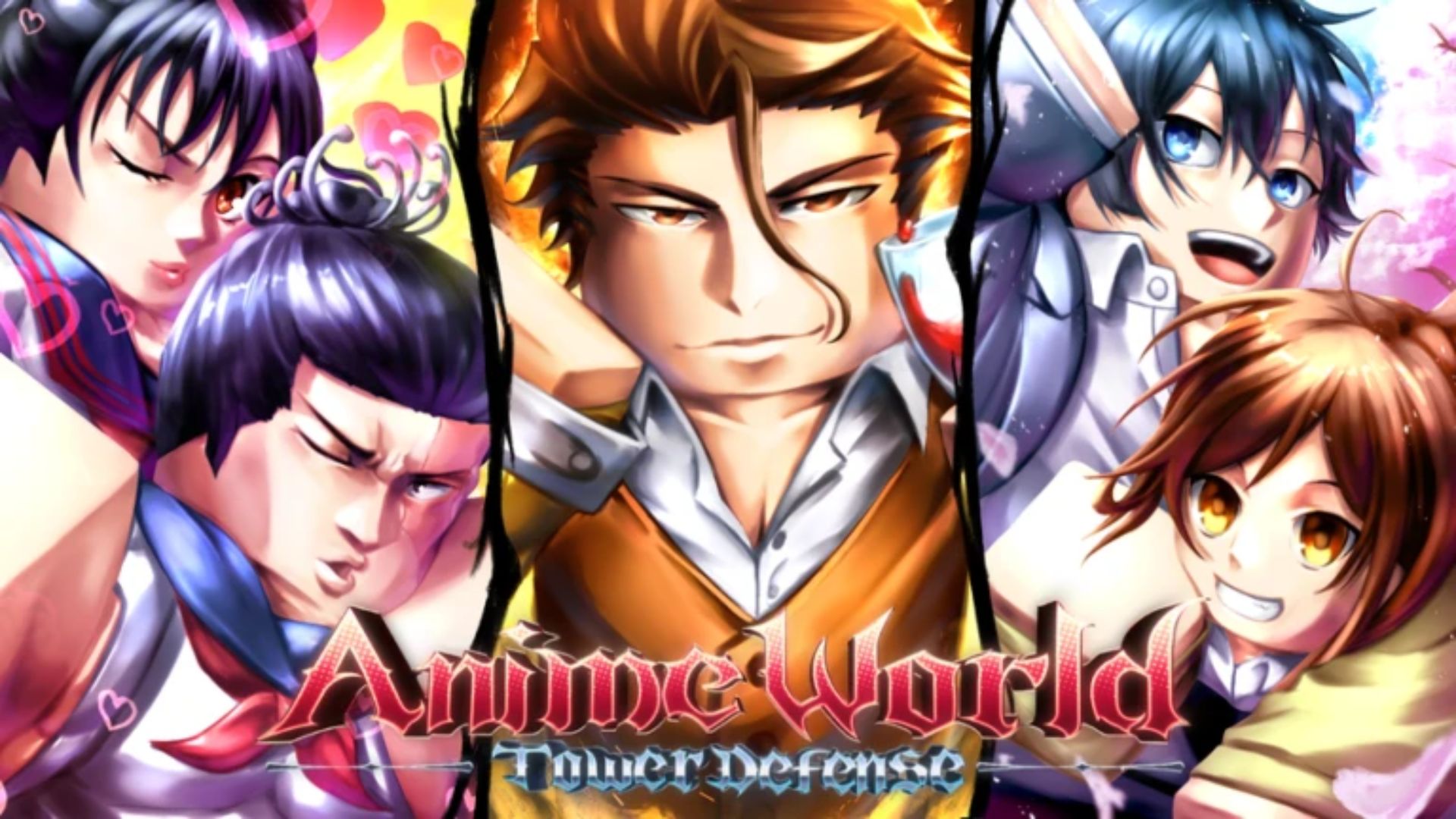


Short Introduction
Roblox: Anime World Tower Defense transforms familiar anime heroes into strategic tools, creating a surprisingly deep experience beneath its colorful surface.
First Impressions and Atmosphere
The first thing that struck me about Anime World Tower Defense wasn't the combat.
It was the anticipation.
The lobby buzzes with players showing off units they've spent weeks collecting. Bright anime-inspired environments stretch into the distance. Portals lead toward different worlds, each promising stronger enemies, rarer characters, and another layer of progression waiting beyond the next victory.
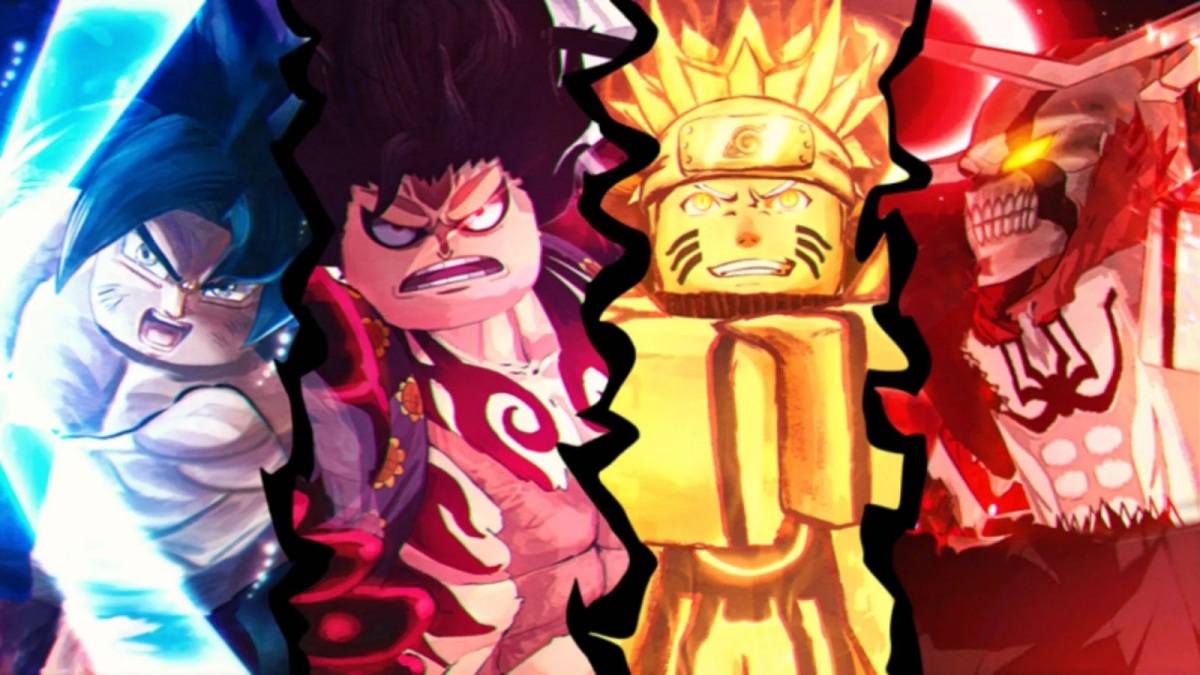
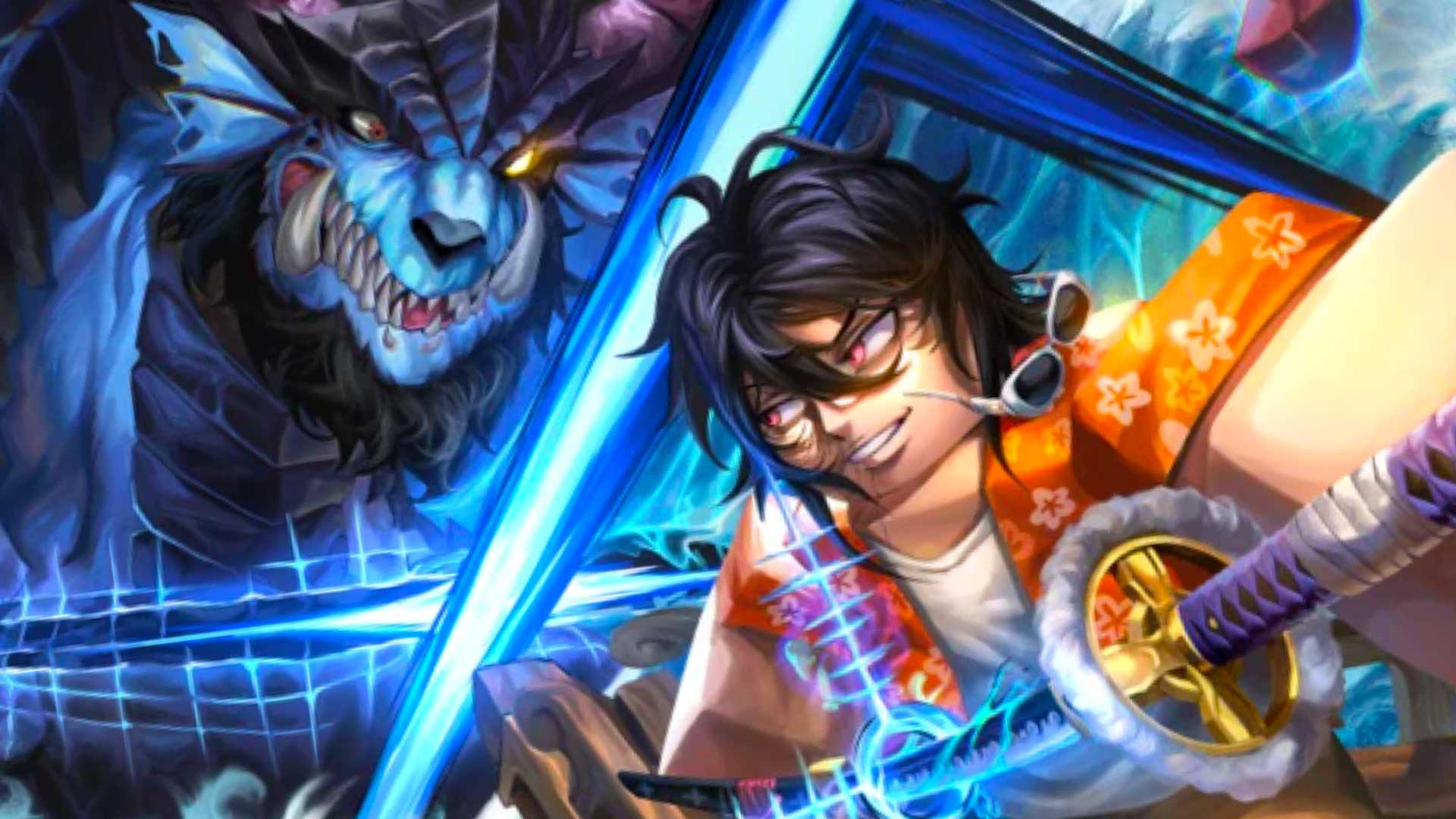
Like many anime-themed Roblox experiences, the game immediately embraces spectacle. Familiar character archetypes stand ready to defend pathways against endless enemy waves. Visual effects flash across the screen. Damage numbers explode into view. Special attacks light up entire sections of the battlefield.
Yet underneath all that noise lies something surprisingly methodical.
Unlike action-heavy Roblox anime games where reflexes dominate, Anime World Tower Defense asks players to think ahead. Every placement matters. Every upgrade decision influences the outcome several minutes later.
The atmosphere feels less like a battlefield and more like a tactical planning room hidden beneath an anime convention.
I found myself spending almost as much time staring at unit placement positions as actually watching enemies move.
That usually signals strong strategy design.
Environmental storytelling isn't the game's primary focus, but each world carries enough visual identity to remain memorable. Some maps emphasize sprawling open routes, while others funnel enemies through narrow choke points that immediately change strategic priorities.
After enough hours, certain maps become strangely familiar.
Not because of their visual beauty.
Because of the mistakes you made there.

Gameplay Mechanics and Core Systems
At its core, Anime World Tower Defense revolves around a classic tower defense structure enhanced by anime-inspired progression systems.
The gameplay loop appears straightforward:
Enter a map.
Deploy units.
Defeat enemy waves.
Earn rewards.
Upgrade your roster.
Move to harder content.
Repeat.
Simple.
Except it never remains that simple.
Unit composition becomes increasingly important as difficulty rises. Early stages allow experimentation without significant punishment. Later stages demand thoughtful planning, efficient resource allocation, and a deeper understanding of character abilities.
Some units specialize in area damage.
Others excel at single-target destruction.
Certain characters dominate early waves but struggle later.
Others seem mediocre until upgraded.
Learning these interactions becomes one of the game's most rewarding experiences.
The combat mechanics themselves remain accessible. Players don't need elite reflexes or complicated inputs. Instead, success comes from understanding synergies, positioning, and long-term planning.
That distinction gives Anime World Tower Defense a broader appeal than many action-oriented Roblox titles.
Progression systems drive much of the long-term engagement. Collecting units, upgrading characters, unlocking new worlds, farming resources, and improving team compositions create a constant sense of forward momentum.
Sometimes that momentum feels exhilarating.
Sometimes it feels exhausting.
We'll return to that later.
World Design and Player Immersion
Anime World Tower Defense doesn't rely on open-world exploration systems to create immersion.
Instead, immersion emerges through familiarity.
Players repeatedly revisit worlds while steadily becoming stronger. Areas that once felt dangerous eventually become efficient farming locations. Maps transform from obstacles into routines.
There is something satisfying about returning to an early stage and effortlessly defeating enemies that once overwhelmed your defenses.
The game leverages this psychological progression effectively.
World design also supports strategic variety. Different paths, wave compositions, enemy types, and map layouts encourage players to adapt rather than blindly repeat successful strategies.
I remember spending nearly thirty minutes experimenting with unit placement on a particularly difficult map.
Not because the stage was impossible.
Because I knew there had to be a cleaner solution.
That search for efficiency becomes surprisingly immersive.
The environments themselves may not rival larger RPG worlds, but they function effectively as strategic spaces. Every corner, bend, and choke point carries tactical meaning.
Players stop seeing scenery.
They start seeing opportunities.

The Emotional Experience and Player Psychology
The emotional core of Anime World Tower Defense comes from delayed gratification.
Most victories aren't dramatic.
They're earned slowly.
A successful run often begins with uncertainty. Early waves seem manageable. Mid-game pressure starts building. Resources become limited. Enemies grow stronger.
Then something clicks.
Your placement strategy works.
The upgrades arrive at exactly the right moment.
The final wave collapses under carefully planned defenses.
Those victories feel deeply satisfying because they reward preparation rather than luck.
The game also taps into collection psychology extremely well. Every new unit introduces possibility. Every rare pull suggests future strategies. Every upgrade offers another reason to continue playing.
That loop creates long-term retention.
Sometimes too effectively.
I often logged in intending to complete a single stage. Then a new unit dropped. Then I wanted to test a team composition. Then I needed resources for upgrades.
Suddenly two hours had disappeared.
Real Gameplay Moments and Examples
One particular session remains surprisingly vivid.
I had been attempting a difficult stage repeatedly. Nothing worked consistently. Different unit combinations failed. Resource management felt tight. Enemy waves overwhelmed my defenses at nearly the same point every run.
Frustration was building.
Then I made a tiny adjustment.
One unit placement.
Nothing dramatic.
Yet that small change altered the entire flow of the stage.
Suddenly enemies clustered differently. Area damage became more effective. Resources stretched further. The final wave collapsed.
The victory felt disproportionate to the adjustment.
That's the beauty of good strategy games.
Tiny decisions matter.
Another memorable moment involved accidentally entering a match with an experimental team I had no confidence in.
It performed far better than expected.
Sometimes failure teaches lessons.
Sometimes mistakes discover them.

Strengths and Weaknesses
Strengths
Anime World Tower Defense excels in several critical areas.
Its strategic depth remains accessible without becoming simplistic. New players can enjoy early content quickly, while experienced players continue finding optimization opportunities much later.
The strongest aspects include:
-
Strong tower defense fundamentals
-
Satisfying progression systems
-
Meaningful unit variety
-
Strategic map design
-
Long-term replayability
-
Strong collection mechanics
-
Effective difficulty scaling
Most importantly, victories feel earned.
That builds trust between player and game.
Weaknesses
The game isn't without flaws.
Grinding eventually becomes unavoidable. Resource farming can feel repetitive, especially when pursuing specific upgrades or units. Certain progression walls may frustrate players seeking constant momentum.
Balance concerns occasionally emerge as well. Some units clearly outperform others, narrowing strategic diversity at higher levels.
Visual clutter can also become problematic during intense waves. Large numbers of effects sometimes obscure battlefield information.
And while progression drives engagement, it occasionally overshadows the strategy itself.
Players may find themselves grinding for stronger numbers rather than solving interesting tactical problems.

Advanced Perspective and Long-Term Replayability
Many tower defense games reveal their limitations after enough hours.
Anime World Tower Defense largely avoids this trap.
The reason lies in its layered progression.
At first, players learn basic placement.
Later, they learn optimization.
Eventually, they begin mastering efficiency.
Resource allocation, upgrade timing, wave management, unit synergy, and map-specific strategies create a surprisingly deep mastery curve. Experienced players approach stages very differently than beginners.
Not because they possess stronger units.
Because they think differently.
Community engagement also strengthens longevity. Strategy discussions, tier lists, farming guides, challenge runs, and unit analysis keep players invested long after completing initial content.
The best tower defense games create ongoing conversations.
Anime World Tower Defense succeeds here.

Trends, Popularity, and Community Growth
Anime-themed tower defense games occupy a unique position within Roblox.
They combine several highly successful genres simultaneously:
-
Collection games
-
Strategy games
-
Anime experiences
-
Long-term progression systems
-
Cooperative multiplayer
That combination naturally encourages strong community growth.
Players discuss builds. Share strategies. Debate unit rankings. Analyze updates. Create content around new releases and balance changes.
The broader popularity of anime-inspired Roblox experiences has helped tower defense titles maintain strong player retention across multiple years. [Source: Roblox Community Trends Report, 2025]
Source:
-
The Rise of Anime Strategy Games on Roblox
-
Why Collection Systems Increase Player Retention
-
Community-Driven Progression in Tower Defense Games
-
How Strategic Gameplay Creates Long-Term Engagement
-
The Evolution of Roblox Anime Experiences
Anime World Tower Defense benefits directly from these broader trends.
But longevity still requires quality design.
Fortunately, it generally delivers.
Comparison With Similar Games
Compared with All Star Tower Defense, Anime World Tower Defense feels slightly more focused on progression pacing and accessibility.
Compared with Anime Adventures, it places greater emphasis on long-term roster development and farming efficiency.
Compared with traditional tower defense games outside Roblox, Anime World Tower Defense sacrifices some strategic complexity in exchange for broader accessibility and stronger collection systems.
The result is a hybrid experience.
Part strategy game.
Part collector game.
Part progression simulator.
When balanced correctly, those systems reinforce one another remarkably well.

Common Misunderstandings or Criticism
One common criticism is that Anime World Tower Defense is "just another anime grind."
There is some truth to that statement.
Grinding undeniably plays a major role.
However, reducing the game entirely to grinding ignores its strategic foundation. Strong units help, but poor placement and inefficient decision-making still lead to failure.
Another misconception is that success depends purely on luck.
Luck influences collection systems.
Strategy influences outcomes.
The strongest players understand both.
Accessibility discussions also appear frequently. New players may initially feel overwhelmed by unit choices, progression paths, upgrade priorities, and resource systems.
The learning curve isn't steep.
But it is wider than many players expect.
Reference:
-
Why Tower Defense Games Reward Planning Over Reflexes
-
The Psychology of Collection-Based Progression Systems
-
Community Strategy Development in Roblox Games
-
How Replayability Extends Multiplayer Lifecycles
-
The Relationship Between Grinding and Player Retention
Final Verdict and Closing Thoughts
Anime World Tower Defense succeeds because it understands the difference between complexity and depth.
Its mechanics remain approachable.
Its decisions remain meaningful.
Its progression remains compelling enough to support hundreds of hours for players who enjoy strategic optimization and collection systems.
The game isn't perfect. Grinding can become repetitive. Balance occasionally drifts. Visual clutter sometimes obscures important information.
Yet those issues rarely overshadow the core experience.
At its best, Anime World Tower Defense creates a rhythm few strategy games achieve. Players plan carefully, adapt constantly, improve gradually, and celebrate victories that genuinely feel earned.
And long after individual stages blur together, one feeling remains clear:
The quiet satisfaction of watching a defense you designed survive a wave that once seemed impossible.