

Short Introduction
Roblox: Adopt Me! turns simple virtual pets into lasting memories, creating a social sandbox where progress feels surprisingly personal.
First Impressions and Atmosphere
The first thing that struck me about Adopt Me! wasn't a pet.
It was the feeling of activity.
Not the frantic, competitive energy found in action games. Something softer. More welcoming.
Players wandered through colorful streets carrying legendary pets. Families gathered near houses decorated with remarkable creativity. New players cautiously explored while experienced traders negotiated deals that looked impossibly complicated from the outside.
The world felt alive.
Not because of combat.
Because of people.
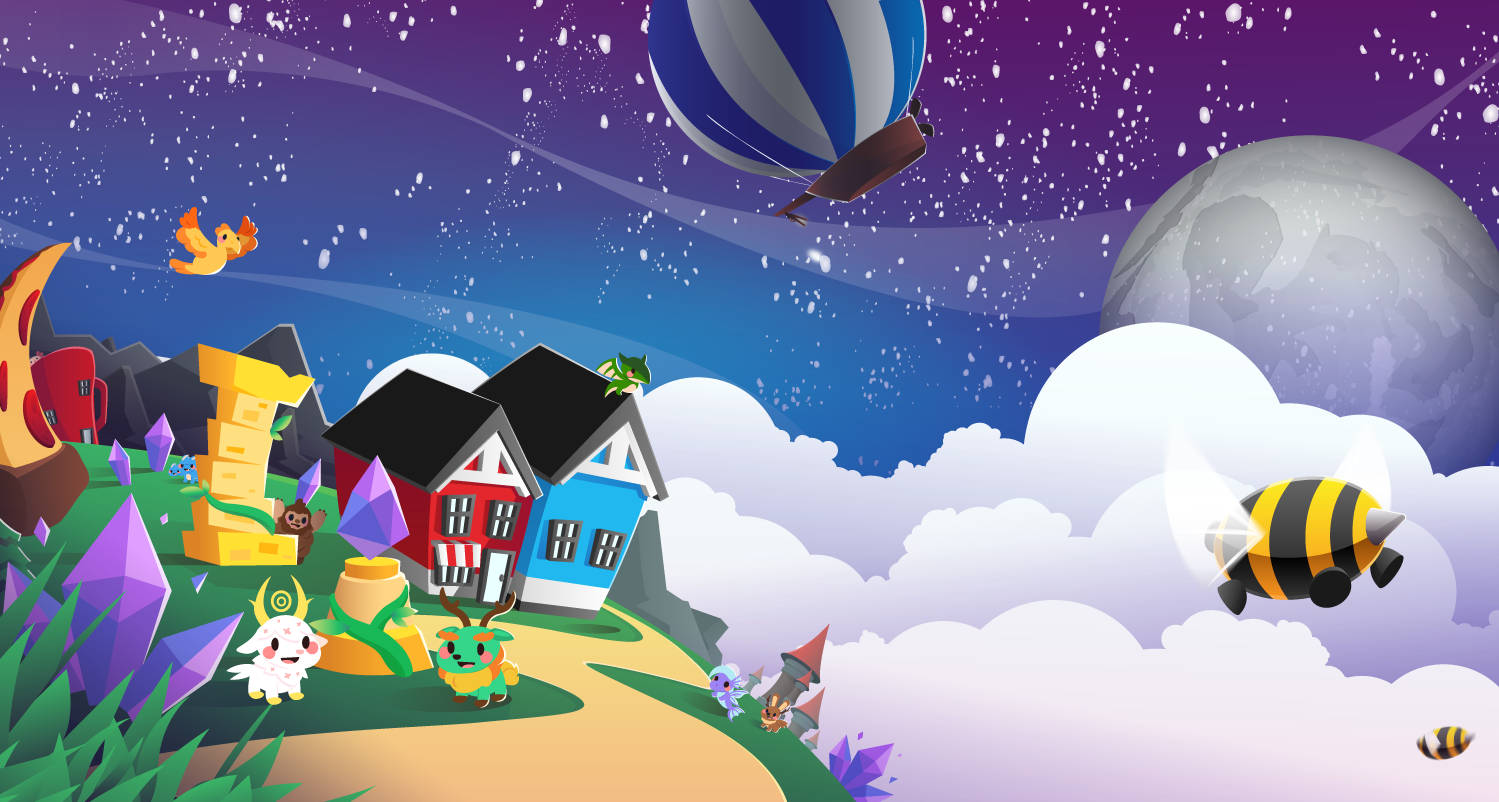
Adopt Me! succeeds immediately through atmosphere. Bright colors, cheerful music, charming animations, and accessible visual design create a world that feels comfortable rather than intimidating.
That matters.
Many multiplayer games rely on tension to hold attention. Adopt Me! relies on comfort.
One evening, I logged in intending to check a new update and leave after a few minutes.
Instead, I spent over an hour simply exploring player houses.
No objectives.
No progression.
Just curiosity.
That kind of engagement cannot be manufactured easily.
The game's environment encourages wandering, observation, and small social interactions. Players naturally create stories simply by existing within the same space.
The atmosphere feels optimistic.
Almost nostalgic.
Even when you're experiencing it for the first time.
Gameplay Mechanics and Core Systems
At its foundation, Adopt Me! revolves around a surprisingly effective gameplay loop.
Players acquire pets.
Care for them.
Complete tasks.
Earn currency.
Expand collections.
Decorate homes.
Trade with other players.
Repeat.
The formula sounds simple.
Yet its longevity proves otherwise.
The pet progression systems remain the heart of the experience. Feeding, bathing, sleeping, and caring for pets gradually increase their development. Over time, pets grow, evolve, and become more valuable.
This process transforms routine activities into meaningful progression.
What could have been repetitive becomes rewarding because players witness visible growth.
Every completed task contributes toward a larger goal.
The in-game economy adds another layer of depth. Currency management, limited-time events, seasonal content, trading systems, and collectible rarity all influence decision-making.
The game constantly asks players questions:
Should you save currency?
Buy an egg?
Upgrade a house?
Trade for a dream pet?
Every answer shapes progression.
The multiplayer systems elevate everything further. Unlike many collection-based games where progress feels isolated, Adopt Me! makes progress visible.
Other players see your achievements.
You see theirs.
The result is a social ecosystem built around aspiration and creativity.
World Design and Player Immersion
Adopt Me! isn't an open-world RPG in the traditional sense.
Its world isn't enormous.
Yet it feels surprisingly lived-in.
The map functions less as a landscape and more as a community hub. Every location serves a purpose while maintaining distinct identity. The nursery, neighborhood, trading areas, shops, and event zones all contribute to the sense of a functioning virtual town.
Over time, players develop routines.
Certain locations become familiar.
Comfortable.
Meaningful.
I noticed myself returning to the same spots repeatedly even when no gameplay reason existed.
A particular section of town became my default meeting area.
A favorite house design inspired several of my own building projects.
A simple pet interaction area became strangely nostalgic.
These small attachments create immersion.
Not through narrative.
Through repetition and familiarity.
The game excels at transforming ordinary locations into personal landmarks.
The Emotional Experience and Player Psychology
Adopt Me! understands emotional investment better than many larger games.
The secret lies in ownership.
Players don't simply collect pets.
They care about them.
A rare pet acquired after weeks of effort feels different from one obtained instantly. A house decorated room by room feels meaningful because every design choice reflects personal creativity.
The emotional attachment grows naturally.
Not because the game demands it.
Because the systems encourage it.
I remember obtaining a pet I had wanted for weeks through a complicated series of trades. Objectively, it was simply another digital item.
Emotionally?
It felt like a major accomplishment.
That reaction surprised me.
Yet it perfectly explains the game's appeal.
Progress feels personal.
The game also balances short-term rewards and long-term goals effectively. Daily activities provide immediate satisfaction while larger collection objectives encourage continued investment.
The result is a progression system that rarely feels directionless.
Real Gameplay Moments and Examples
One memorable experience involved a trading session that lasted far longer than expected.
The original goal was straightforward.
Trade one pet.
Leave.
Instead, conversations began. Additional offers appeared. Negotiations evolved. Other players joined.
An hour disappeared.
The trade itself eventually happened.
But it became secondary.
The interaction was the story.
Another memorable moment occurred during a seasonal event. Players crowded around a limited-time activity, showing off newly acquired pets while discussing strategies and rewards.
The event wasn't mechanically complex.
Yet the atmosphere made it memorable.
Everyone seemed excited.
That energy became contagious.
Even routine moments can become meaningful in Adopt Me!.
Strengths and Weaknesses
Strengths
Adopt Me! excels in several important areas:
-
Strong social systems
-
Excellent pet collection mechanics
-
Meaningful player creativity
-
Accessible progression
-
Long-term replayability
-
Active community engagement
-
Consistent content updates
Most importantly, it creates emotional attachment.
Players genuinely care about their progress.
Weaknesses
The game's biggest weakness is repetition.
Pet care activities eventually become predictable. Players seeking complex gameplay systems may find the loop simplistic after extended play sessions.
The trading economy also creates occasional frustrations. Value perceptions shift constantly, creating confusion for newer players.
Limited-time content can generate pressure to participate immediately. While this encourages engagement, it occasionally creates fear of missing out.
Certain progression goals demand significant patience.
Not every player will enjoy that pace.
The game remains engaging.
But not universally.
Advanced Perspective and Long-Term Replayability
Many games built around collection systems eventually lose momentum.
Adopt Me! largely avoids this outcome.
The reason lies in layered goals.
Collecting pets becomes only one objective among many.
Players begin pursuing rare variants, designing houses, optimizing trades, participating in seasonal events, completing collections, and developing social connections.
The experience expands rather than contracts.
Experienced players often shift focus away from progression entirely.
Some become traders.
Others become builders.
Others focus on collecting.
The game supports multiple identities simultaneously.
That flexibility strengthens longevity significantly.
Community engagement further reinforces replayability. Social interactions continuously generate new stories, goals, and opportunities.
The game rarely feels static because the players themselves create content.
Trends, Popularity, and Community Growth
Adopt Me! remains one of Roblox's most influential experiences because it successfully combines several major gaming trends:
-
Collection-based progression
-
Social multiplayer gameplay
-
Creative expression
-
Live-service updates
-
Community-driven economies
-
Personal customization
The game also thrives within content creation ecosystems. Pet reveals, trading challenges, house tours, update showcases, and collection milestones consistently attract attention.
Players enjoy watching progress almost as much as experiencing it themselves.
According to broader Roblox engagement trends, social sandbox experiences continue generating some of the platform's strongest long-term retention metrics. [Source: Roblox Community Trends Report, 2025]
Source:
-
The Rise of Social Sandbox Games
-
Why Collection Systems Build Emotional Attachment
-
The Psychology of Virtual Ownership
-
How Community Interaction Drives Retention
-
The Evolution of Creative Multiplayer Experiences
Few Roblox games embody these trends as effectively as Adopt Me!.
Comparison With Similar Games
Compared with Pet Simulator 99, Adopt Me! places significantly greater emphasis on social interaction and roleplay.
Compared with Brookhaven RP, it focuses more heavily on progression and collection systems.
Compared with many life-simulation games, Adopt Me! offers a stronger sense of ownership through its pet and housing mechanics.
The experience occupies a unique space.
Part collection game.
Part social platform.
Part creative sandbox.
That combination helps explain its enduring popularity.
Common Misunderstandings or Criticism
One common misconception is that Adopt Me! is exclusively for younger players.
The reality is more nuanced.
While the presentation remains family-friendly, the trading economy, collection systems, and long-term progression loops contain surprising depth.
Another criticism focuses on repetition.
This criticism is fair.
The core gameplay activities eventually become familiar.
However, many long-term players remain engaged because their goals evolve over time.
The game becomes less about completing tasks and more about pursuing personal ambitions.
Trading systems also attract criticism from players frustrated by fluctuating values.
Again, understandable.
The economy remains one of the game's most dynamic and occasionally confusing features.
Reference:
-
How Virtual Ownership Increases Player Retention
-
The Evolution of Collection-Based Multiplayer Games
-
Balancing Accessibility and Long-Term Depth
-
Why Social Communities Extend Replayability
-
The Psychology of Digital Economies
Final Verdict and Closing Thoughts
Adopt Me! succeeds because it understands something many online games overlook.
People enjoy building connections.
Not only with other players.
With places.
With collections.
With goals.
With memories.
The game transforms simple mechanics into a surprisingly powerful cycle of creativity, progression, social interaction, and emotional investment. Every new pet tells a story. Every house reflects personal taste. Every trade carries possibility.
Its flaws are real. Repetition exists. Progress can feel slow. The economy occasionally becomes frustrating.
Yet the experience continues to resonate with millions of players.
For those who enjoy collection systems, creative expression, social multiplayer experiences, and the satisfaction of slowly building something meaningful, Adopt Me! remains one of Roblox's most enduring virtual worlds.
And long after the newest update fades into memory, players continue returning for a simple reason:
Somewhere inside this colorful digital town, a small piece of the world has quietly become theirs.