
Reviews Games
Detailed reviews of the hottest games right now

Roblox: Anime Last Stand and the Rise of Strategic Anime Warfare in Modern Tower Defense Gaming
Introduction to Roblox: Anime Last Stand Anime Last Stand blends anime-inspired combat, strategic planning, progression systems, and cooperative gameplay into one of Roblox’s most addictive tactical experiences. The first time most players enter Anime Last Stand, the game feels deceptively simple. Place units. Defend lanes. Survive waves. Upgrade characters. That’s it. At least, that’s what it looks like during the first few matches. But after several hours, players begin noticing something much deeper happening beneath the surface. Success is rarely determined by luck alone. The strongest players are not simply collecting powerful units. They are learning: positioning, timing, resource management, synergy, wave prediction, and long-term planning. And suddenly, Anime Last Stand stops feeling like casual entertainment. It starts feeling like tactical warfare disguised as anime chaos. For many players across the United States, Anime Last Stand became more than another Roblox experience because it successfully combines: progression psychology, cooperative strategy, collection systems, and emotional tension into a gameplay loop that remains consistently rewarding. That balance is difficult to achieve. And it’s one of the biggest reasons the game continues attracting highly engaged players. Deep Analysis: Why Anime Last Stand Feels So Addictive Many tower defense games eventually become repetitive. Anime Last Stand avoids this problem through layered progression systems that constantly create new strategic possibilities. Every match forces players to evaluate: unit placement, economy management, upgrade timing, enemy scaling, and synergy combinations. This continuous decision-making keeps players mentally engaged. The game also balances simplicity and complexity effectively. New players can understand the basics quickly. But experienced players discover increasingly advanced layers involving: optimization, cooldown management, map awareness, and team composition efficiency. According to player engagement research, strategy games with evolving progression systems maintain stronger long-term retention because players constantly pursue mastery rather than simple completion [Source: Newzoo, 2025]. Anime Last Stand reflects this design structure remarkably well. There is always: another upgrade, another strategy, another challenge, or another optimization path waiting ahead. That endless improvement loop creates powerful emotional momentum. The Psychology Behind Unit Collection and Strategic Progression One fascinating aspect of Anime Last Stand is how effectively it combines emotional attachment with strategic depth. Players don’t merely collect units because they look visually impressive. They begin understanding: utility, synergy, timing, range, scaling, and role specialization. Over time, units become tools inside larger tactical systems rather than isolated collectibles. This shift transforms gameplay psychologically. New players often focus entirely on rarity. Experienced players prioritize: balance, adaptability, and team cohesion instead. The game also rewards long-term thinking. Impulsive upgrades may feel satisfying temporarily, but strategic resource management often determines survival during later waves. That tension between short-term excitement and long-term planning keeps gameplay emotionally engaging. Practical Strategies for Improving Faster One major beginner mistake is overinvesting in expensive units too early. Experienced players usually prioritize: economy stability, wave control, and balanced defense first. Strong foundations consistently outperform reckless aggression. Positioning also matters far more than many players initially realize. Even powerful units become inefficient when placed poorly. Veteran players constantly evaluate: enemy pathing, attack coverage, range overlap, and timing efficiency. Another common issue involves panic upgrading. New players frequently spend resources reactively instead of planning upgrades several waves ahead. Strategic anticipation dramatically improves consistency. The strongest players rarely improvise completely. They prepare mentally before problems appear. Storytelling Through Strategy and Survival One reason Anime Last Stand creates memorable experiences is because every difficult victory feels earned emotionally. Players remember: surviving impossible late waves, narrowly defeating bosses, perfecting difficult strategies, and recovering from near disaster situations. These moments generate emotional tension naturally because failure always feels possible. The game also creates collaborative storytelling. Teams often develop: synchronized strategies, shared responsibilities, and improvised adjustments under pressure. That cooperation transforms gameplay into social memory-making. Victory feels satisfying because it emerges from collective decision-making rather than scripted progression alone. Source: Why Strategic Progression Systems Increase Long-Term Player Retention The Psychology of Collection and Mastery in Gaming How Tower Defense Games Evolved into Complex Strategy Systems The Rise of Anime-Inspired Strategy Games on Multiplayer Platforms Why Cooperative Strategy Games Create Stronger Emotional Engagement Another major reason Anime Last Stand remains compelling is because progression constantly feels incomplete. There is always: a better unit combination, a more efficient strategy, or a stronger setup waiting to be discovered. That continuous optimization keeps players emotionally invested. Expert Insights and Common Mistakes Players Make One major beginner mistake is assuming rarity guarantees effectiveness. Experienced players understand synergy often matters more than raw power alone. A balanced team consistently outperforms disconnected high-rarity units. Another common issue involves ignoring economy management. Players who overspend too aggressively early often struggle later when enemy scaling increases dramatically. Veteran players balance: survival, upgrades, and long-term sustainability carefully. A third mistake involves copying strategies blindly without understanding why they work. Strong players adapt strategies based on: map layouts, team composition, enemy patterns, and pacing differences. Adaptability matters enormously. The Advanced Perspective: Anime Last Stand as a Strategic Learning System At a deeper level, Anime Last Stand functions almost like a training ground for systems thinking. Players constantly evaluate interconnected variables: timing, efficiency, scaling, positioning, and resource allocation. This creates layered strategic thinking surprisingly quickly. The game also teaches emotional control. Panic decisions often lead to collapse. Calm prioritization usually creates recovery opportunities. Experienced players gradually develop: patience, foresight, and tactical discipline. These psychological skills become central to long-term mastery. The game rewards preparation more consistently than impulsiveness. Trends, Data, and the Growth of Anime Strategy Games on Roblox Anime-inspired strategy games continue growing rapidly because they combine: recognizable aesthetics, progression systems, social cooperation, and long-term mastery loops effectively. According to gaming analytics reports, Roblox strategy experiences featuring collection mechanics and cooperative systems maintain especially strong engagement among younger audiences [Source: Statista, 2025]. Streaming culture accelerated this growth dramatically. Viewers enjoy: high-level strategies, difficult challenge runs, rare unit showcases, and dramatic survival moments. Anime Last Stand naturally creates suspenseful gameplay moments highly suitable for content creation. This visibility strengthens community engagement continuously. Comparing Anime Last Stand to Other Tower Defense Experiences Many tower defense games focus primarily on static optimization. Anime Last Stand succeeds because it combines: strategic planning, emotional progression, collection systems, and social cooperation simultaneously. Another important distinction involves pacing. The game balances: preparation, escalation, recovery, and crisis moments naturally. This emotional rhythm keeps matches engaging instead of mechanically repetitive. The anime-inspired presentation also strengthens emotional attachment. Players often develop favorite units not only because of effectiveness — but because of visual identity, animations, and emotional connection to character archetypes. That emotional layer deepens investment considerably. Reference: The Future of Strategy Gaming on User-Generated Platforms How Collection Systems Increase Emotional Engagement in Games Streaming Culture and the Rise of Anime Strategy Games Why Cooperative Gameplay Creates Stronger Gaming Communities Decision-Making, Adaptation, and Emotional Reward in Strategy Games Another fascinating aspect of Anime Last Stand is how quickly players develop personal strategic identities. Some focus on aggressive scaling. Others prioritize defense stability. Some specialize in economy optimization. The game quietly encourages individualized playstyles. Common Concerns and Misunderstandings Around Anime Last Stand Some players initially assume Anime Last Stand relies mostly on grinding or luck. In reality, experienced players know strategy and efficiency dramatically influence progression speed. Another misconception is that only rare units matter. While powerful units certainly help, smart positioning and resource timing often determine outcomes more consistently than rarity alone. There’s also concern around repetition. However, the game maintains engagement through: evolving strategies, shifting metas, cooperative coordination, and increasingly difficult challenges. The gameplay loop remains emotionally rewarding because mastery always feels slightly out of reach. That tension keeps players invested. Final Thoughts and What Comes Next Anime Last Stand became one of Roblox’s most compelling strategy experiences because it understands something many games overlook: Players enjoy progression most when success feels earned through decision-making. Anime Last Stand transforms simple tower defense mechanics into: tactical planning, emotional survival, cooperative strategy, and long-term mastery. Every wave creates pressure. Every upgrade creates consequences. Every victory reflects preparation, adaptation, and teamwork. That emotional intensity keeps the experience alive long after the novelty fades. And perhaps that’s the real reason players continue returning. Not simply to collect stronger units. But to experience the satisfaction of surviving chaos through strategy itself. References Newzoo. (2025). Strategy Gaming Engagement and Retention Trends. Statista. (2025). Anime Gaming and Roblox Strategy Market Analysis. Psychology Today. (2024). Collection Systems, Mastery, and Emotional Motivation in Gaming. GameAnalytics. (2025). Player Behavior Patterns in Cooperative Strategy Games. GamesIndustry.biz. (2025). The Evolution of Tower Defense Systems in Multiplayer Gaming.

Minecraft Review (2026): The Hardest Decision Is Knowing When You Have Enough to Turn Back
Minecraft creates tension without complex combat because every expedition gradually becomes more expensive to continue, as a fuller inventory, valuable resources, damaged equipment, dwindling food, dangerous terrain, and increasing distance from home constantly force players to decide whether one more cave, structure, or unexplored path is really worth the risk.
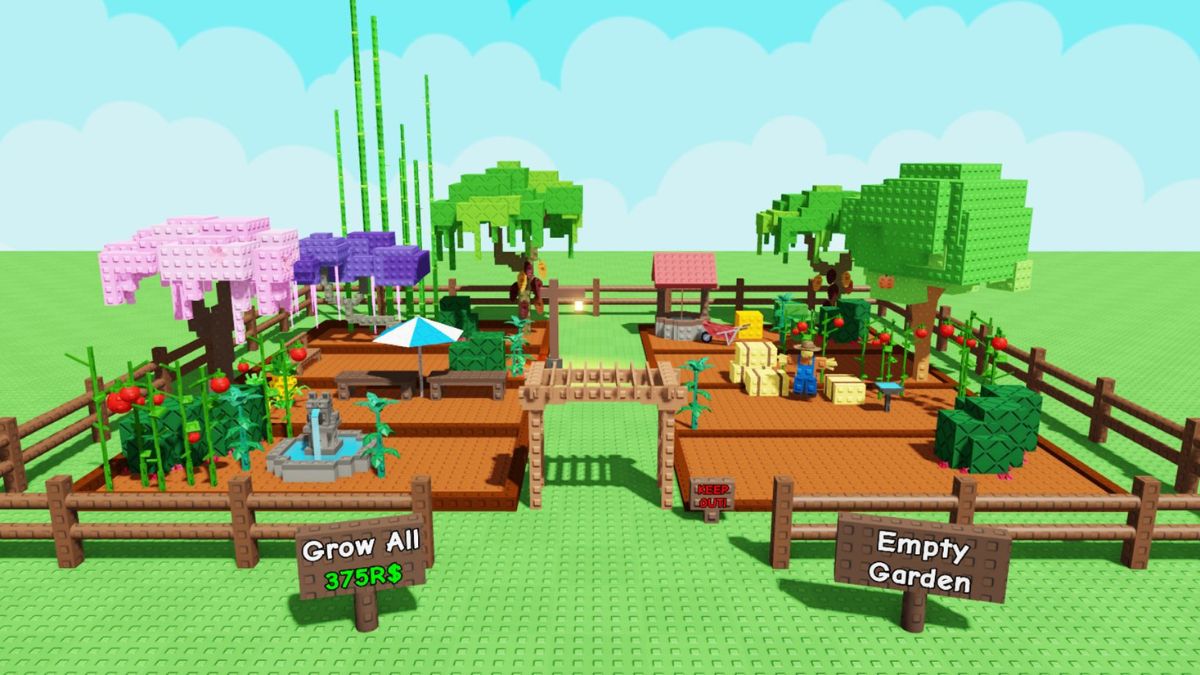
Grow a Garden Review (2026): The Most Important Resource Is the Time Between Planting and Coming Back
Grow a Garden looks like a simple Roblox farming simulator, but its most interesting decisions revolve around time. Planting, waiting, weather, crop value, upgrades, rare opportunities, pets, and garden management constantly ask players whether to act now, prepare for later, or change plans when something unexpected appears.
Arise Crossover Review (2026): The Stronger Your Shadow Army Becomes, the Less the Game Feels Like a Solo Adventure
Arise Crossover begins like a familiar anime action RPG, but its identity changes as your Shadow army grows. Combat gradually becomes less about what your character can do alone and more about recruitment, team efficiency, dungeon timing, movement, and keeping an increasingly complicated progression machine running smoothly.
All Star Tower Defense Review (2026): Why This Roblox Classic Still Keeps Players Coming Back
Is All Star Tower Defense still worth playing in 2026? Read our in-depth review covering gameplay, progression, updates, real player experience, strategy, and how it compares with other Roblox anime tower defense games.
Minecraft Review (2026): The Most Important Decision May Be Where You Choose to Stop Walking
Minecraft offers a vast world to explore, yet one seemingly small early decision can shape hundreds of hours of gameplay: choosing where to build your main base, since terrain, resources, travel routes, surrounding biomes, expansion space, Nether access, storage systems, and future projects can turn an ordinary location into the center of your world or a place that becomes increasingly difficult to leave.
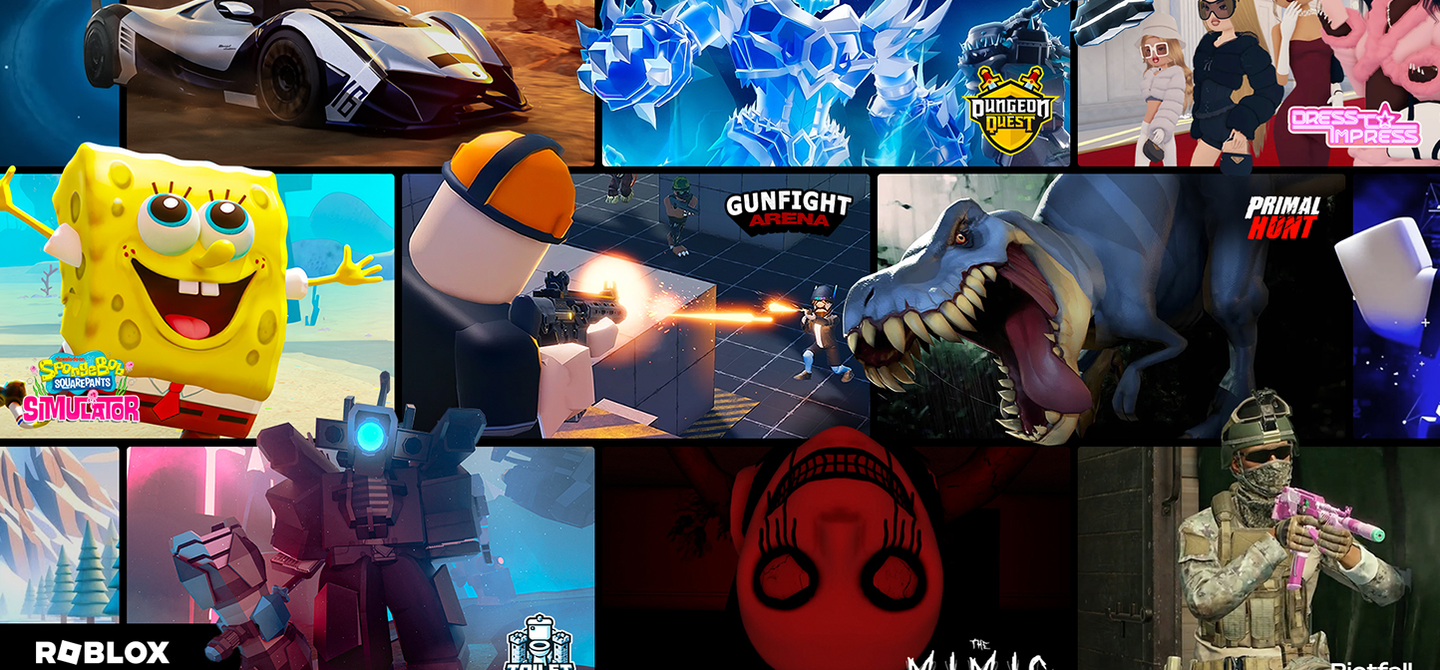
Roblox Review (2026): Why This User-Created Platform Continues to Redefine Online Gaming
Meta Description: Is Roblox still worth playing in 2026? Read our in-depth review covering gameplay, creativity, community, progression, monetization, and why Roblox remains one of the world's biggest gaming platforms.
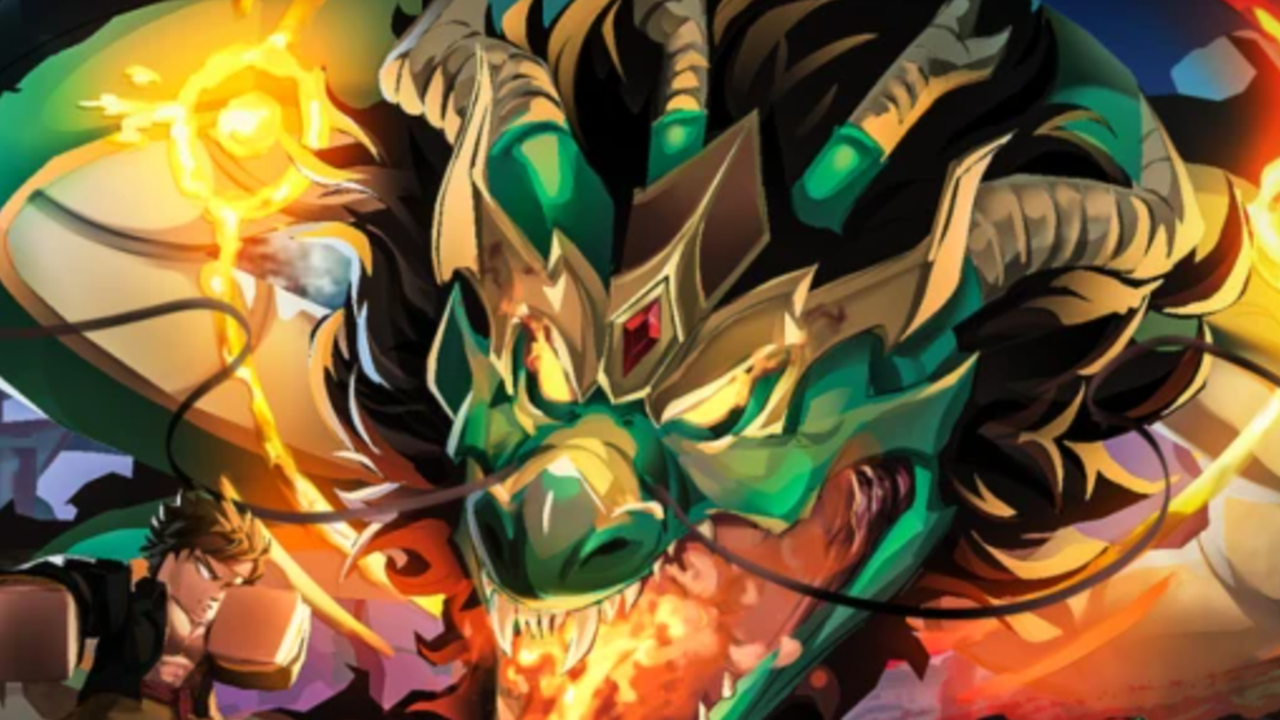
Blox Fruits Review (2026): Every New Sea Eventually Makes Your Old Routine Feel Too Small
Blox Fruits is often described as a massive Roblox RPG about grinding levels, collecting Fruits, and exploring islands, but its progression stands out because it constantly replaces familiar routines with new ones, forcing players to adapt as new seas, stronger enemies, different farming routes, advanced abilities, bosses, equipment, and PvP gradually reshape what feels efficient or necessary.
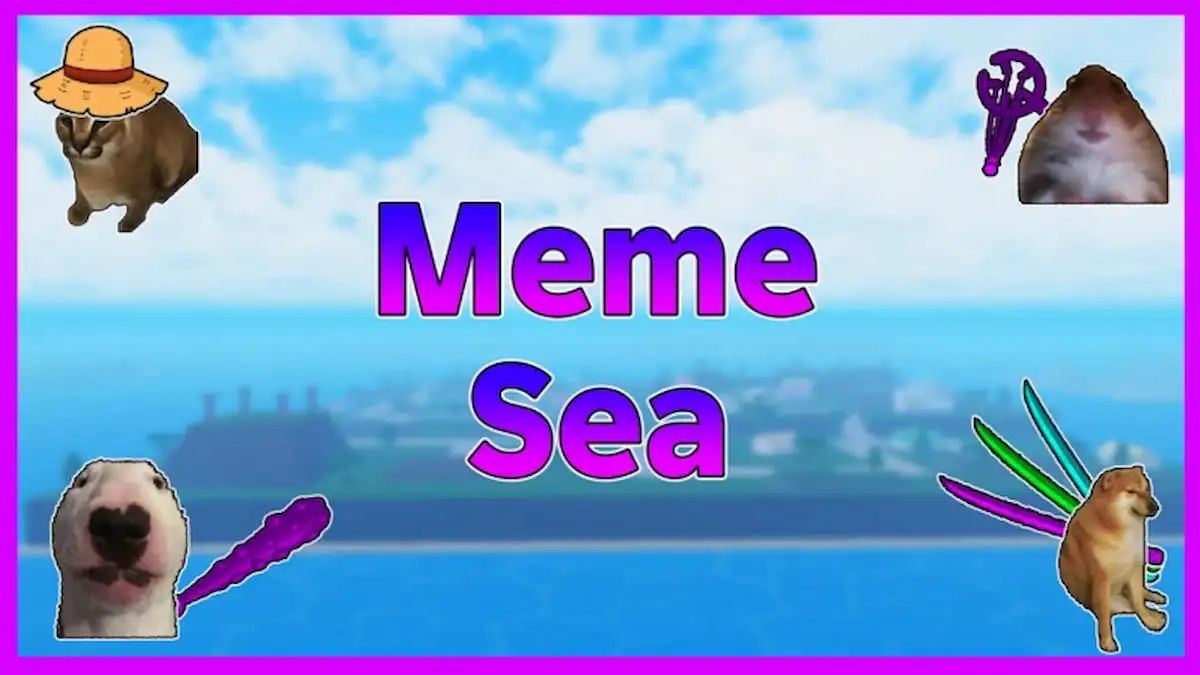
Meme Sea Review (2026): The Grind Should Be Boring, but the Game Keeps Turning It Into a Joke
Meme Sea uses a familiar Roblox RPG structure, then fills it with absurd enemies, ridiculous powers, strange bosses, and internet humor. The progression can be repetitive, but its refusal to take itself seriously gives even ordinary grinding a personality most copycat RPGs never find.
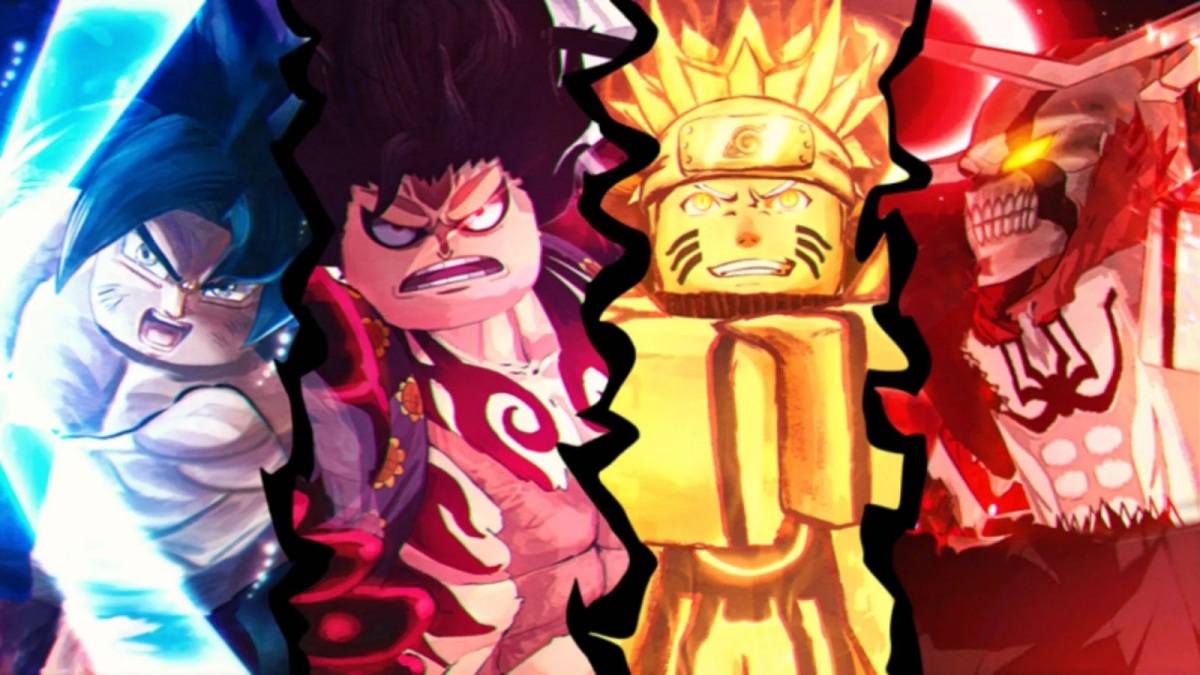
Anime Adventures Review (2026): Building the Perfect Team Is Easy Until the Game Gives You Someone Better
Anime Adventures turns tower defense into a long-term roster-building obsession where every new unit can change your plans. The real challenge is deciding who deserves your resources, which favorites are worth keeping, and when a once-perfect team needs to be rebuilt from scratch.
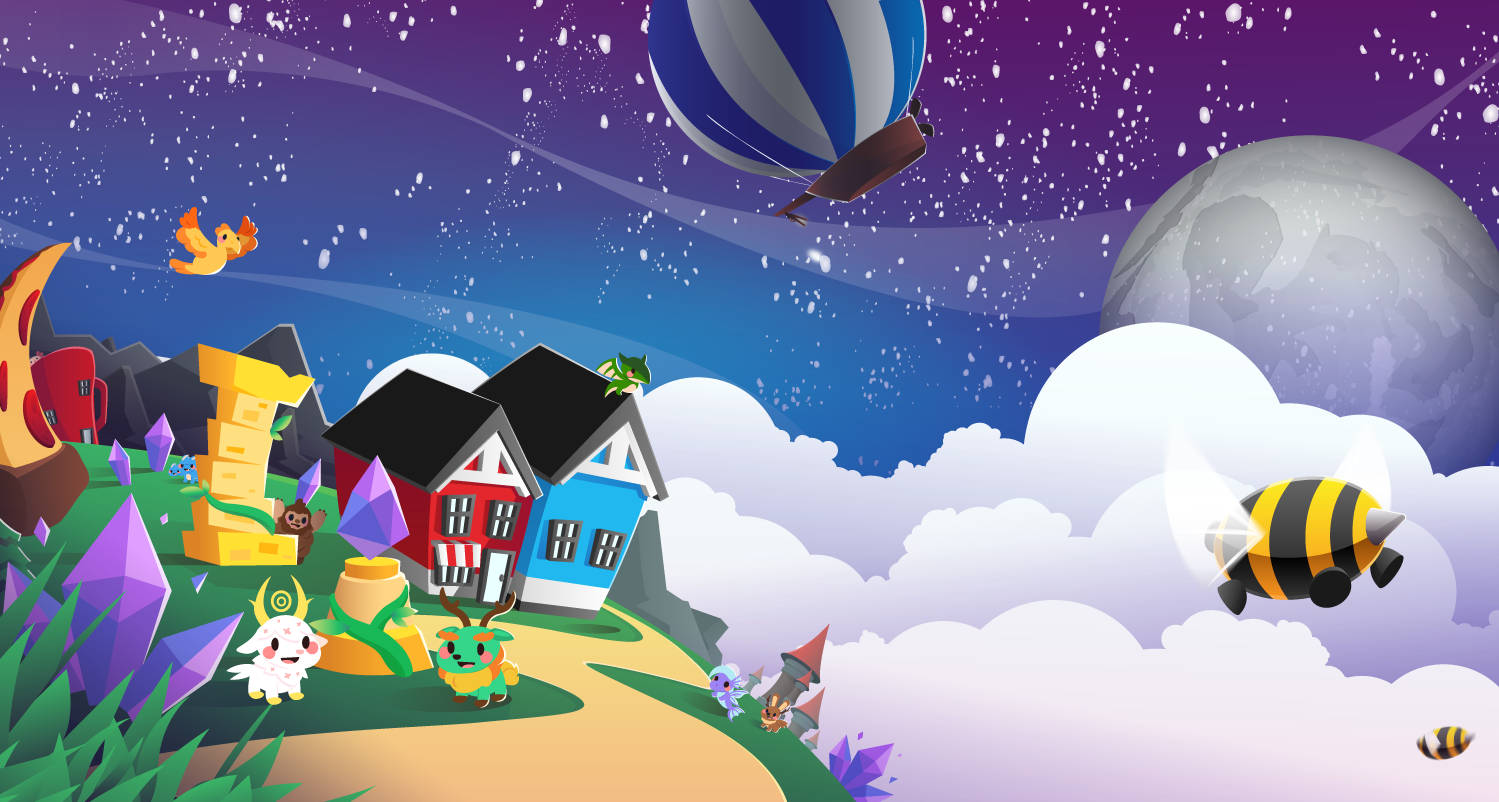
Adopt Me! Review (2026): The Most Valuable Pet Is Not Always the One the Game Says Should Matter Most
Adopt Me! looks like a colorful pet collection game, but its deeper appeal comes from how players create value themselves. Pets, houses, trades, limited events, rarity, memories, and personal goals all compete to decide what something is actually worth, turning a simple social game into a constantly changing economy of preference.
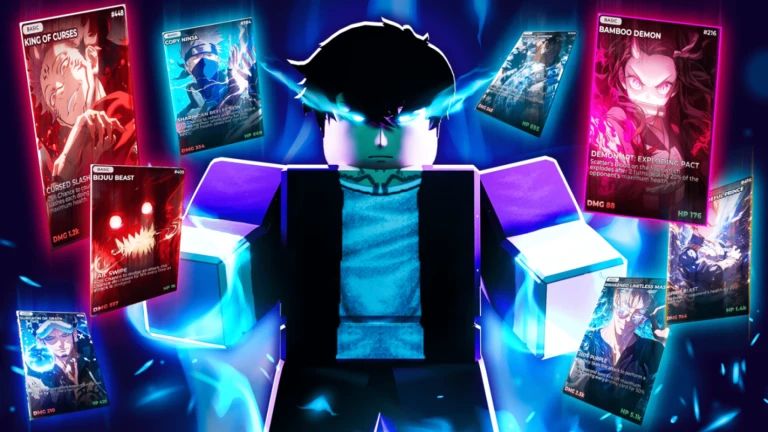
Anime Card Clash Review (2026): The Best Deck Is the One That Still Works When Your Perfect Plan Never Appears
Anime Card Clash rewards more than rare cards and powerful combinations, because its deeper strategy comes from building decks that remain functional when the ideal setup fails to appear, forcing players to balance consistency, flexibility, risk, collection goals, and matchup preparation across every battle.