

Short Introduction
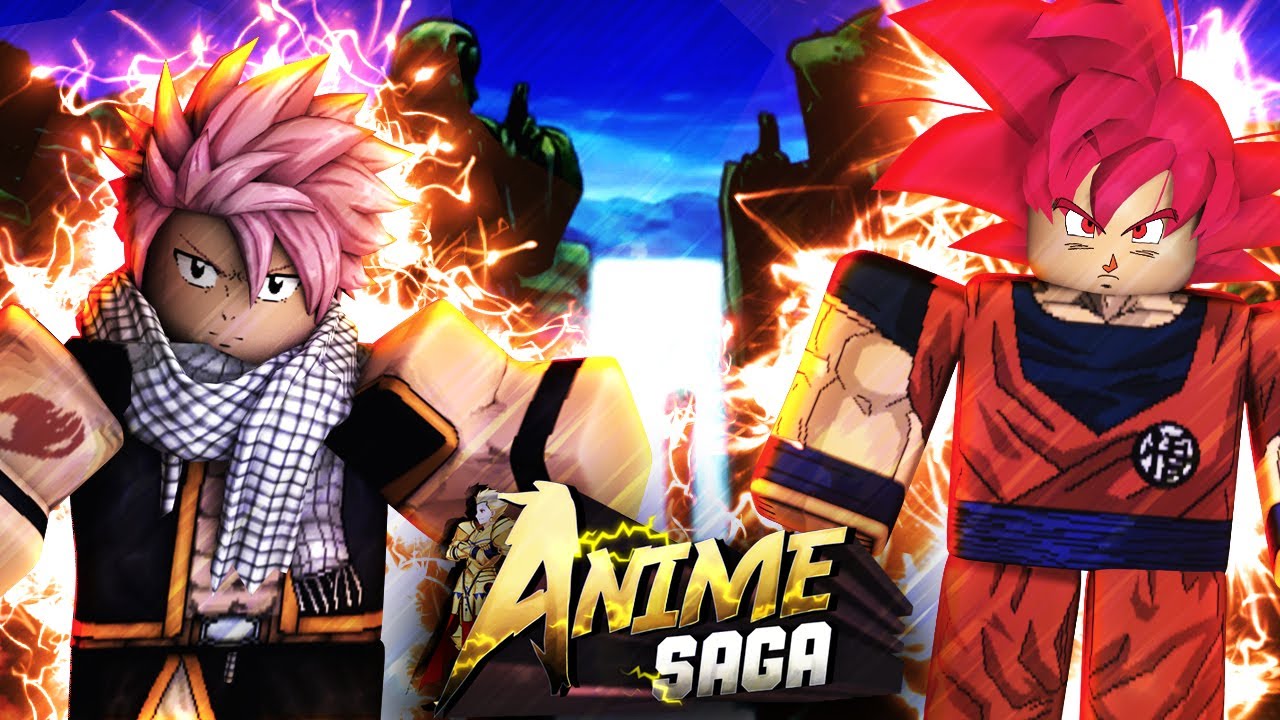
Roblox: Anime Saga blends fast-paced combat, anime-inspired progression, and rewarding exploration into an action RPG that constantly pushes players forward.
First Impressions and Atmosphere
The first thing that stood out to me about Anime Saga wasn't a weapon.
It wasn't a boss.
It wasn't even the combat system.
It was momentum.
Many Roblox anime games spend their opening hours explaining systems, introducing currencies, and gradually unlocking features. Anime Saga feels different. The world immediately suggests movement. Enemies roam nearby. Quests wait around every corner. Stronger players rush past with abilities that hint at possibilities far beyond your current understanding.
The atmosphere is driven by ambition.
You enter the world weak.
Everyone around you seems powerful.
That contrast creates curiosity.
The visual presentation embraces colorful anime-inspired environments without becoming overwhelming. Cities feel busy. Battlefields feel dangerous. Training areas hum with activity. Every location communicates progression.
One evening, after completing several quest chains, I stopped on a cliff overlooking a glowing landscape below.
For a moment, the combat disappeared.
The objectives disappeared.
There was only the world.
Moments like that matter.
They remind players that progression feels more meaningful when attached to memorable places.
The sound design supports the experience effectively. Ability impacts feel heavy. Movement sounds remain responsive. Combat effects create excitement without drowning out everything else.
The world feels alive.
Not because it tells you it is.
Because it behaves that way.
Gameplay Mechanics and Core Systems
At its core, Anime Saga revolves around a familiar action RPG formula.
Defeat enemies.
Complete quests.
Strengthen your character.
Unlock new abilities.
Challenge stronger content.
Repeat.
The structure isn't revolutionary.
The execution is what matters.
Combat remains the centerpiece of the experience. Movement feels fluid, attacks feel responsive, and progression creates noticeable differences in power. Early encounters that once felt challenging eventually become effortless.
That sensation never gets old.
Players can develop different combat styles through abilities, equipment choices, and character progression. Some builds emphasize raw damage. Others focus on mobility, area attacks, or survivability.
This flexibility creates experimentation.
And experimentation creates replayability.
I spent an entire evening testing different ability combinations rather than advancing the main progression path.
Objectively, it wasn't efficient.
Emotionally, it was one of the most enjoyable sessions I had.
The game rewards curiosity almost as much as efficiency.
The progression systems reinforce this design philosophy. Levels, equipment upgrades, resource collection, and ability improvements create multiple paths toward growth.
There is always something improving.
Always another goal.
Always another reason to continue.
World Design and Player Immersion
Anime Saga's world succeeds because it encourages movement.
Players rarely stay in one location for long.
New quests lead to unfamiliar regions. Stronger enemies occupy distant zones. Better rewards wait beyond current boundaries.
Exploration becomes progression.
That distinction is important.
Many RPGs separate advancement from discovery. Anime Saga frequently combines them.
Every new area feels like a reward.
Not merely a requirement.
The environments themselves offer strong visual variety. Different regions establish distinct identities through architecture, terrain, enemy types, and environmental storytelling.
Over time, these locations become associated with personal experiences.
A training ground reminds you of early struggles.
A dangerous region becomes connected to a memorable boss victory.
A particular city feels familiar because you spent countless hours preparing for future challenges there.
These memories create immersion.
Not through scripted narratives.
Through player experiences.
The Emotional Experience and Player Psychology
Anime Saga thrives on anticipation.
The game constantly suggests future possibilities.
A stronger ability.
A better weapon.
A higher level.
A difficult challenge.
Every accomplishment reveals another objective.
Yet the progression rarely feels exhausting because rewards arrive consistently.
Players experience regular moments of satisfaction.
Small victories matter.
The emotional cycle becomes remarkably effective:
Effort creates progress.
Progress creates confidence.
Confidence encourages risk-taking.
Risk-taking leads to discovery.
Discovery creates new goals.
The process repeats naturally.
One aspect I found particularly interesting was how attached I became to specific abilities. Certain skills remained favorites long after stronger alternatives became available.
They felt familiar.
Reliable.
Part of my character's identity.
That emotional attachment cannot be measured through statistics.
Yet it significantly influences long-term engagement.
Real Gameplay Moments and Examples
One of my favorite memories involved a boss encounter I approached far too early.
The warning signs were obvious.
The recommended level suggested caution.
My confidence suggested otherwise.
The fight lasted approximately thirty seconds.
Most of those seconds were spent realizing my mistake.
The defeat was immediate.
And strangely memorable.
A few days later, I returned stronger and better prepared.
The rematch felt entirely different.
What had once seemed impossible now felt manageable.
Those moments define progression-based games.
Not the victories themselves.
The contrast between who you were and who you became.
Another memorable experience occurred during a late-night exploration session. I wandered into an area I hadn't planned to visit and discovered an entirely new set of challenges.
The original objective disappeared.
Curiosity took control.
Three hours later, I finally remembered what I had intended to do.
Good RPGs create detours.
Great RPGs make those detours memorable.
Strengths and Weaknesses
Strengths
Anime Saga delivers several notable strengths:
-
Fast and satisfying combat
-
Strong progression systems
-
Meaningful exploration
-
Flexible character development
-
Engaging world design
-
High replayability
-
Consistent sense of advancement
Most importantly, the game maintains momentum.
Players rarely feel directionless.
Weaknesses
The game is not without flaws.
Grinding becomes increasingly noticeable during later progression stages. Certain upgrades require significant resource investment, slowing pacing temporarily.
Quest structures occasionally become repetitive. While the environments remain interesting, objectives sometimes rely heavily on defeating large groups of enemies.
Balance discussions also emerge around certain abilities and equipment combinations. As with many progression-focused RPGs, some options inevitably outperform others.
The complexity of multiple progression systems may overwhelm newcomers initially.
Patience helps.
A lot.
Advanced Perspective and Long-Term Replayability
Anime Saga becomes more interesting as players gain experience.
The early game focuses on learning systems.
The mid-game emphasizes optimization.
The late game revolves around mastery.
These phases feel distinct.
Experienced players begin understanding resource efficiency, ability synergy, enemy patterns, and progression planning in ways newer players cannot.
The game transforms.
Not mechanically.
Psychologically.
Veterans see opportunities where newcomers see obstacles.
That mastery curve creates long-term retention.
Community engagement strengthens this further. Players discuss builds, progression routes, challenge strategies, update changes, and optimization techniques constantly.
The game becomes a conversation.
Not merely an activity.
Trends, Popularity, and Community Growth
Anime Saga aligns with several powerful trends within Roblox gaming:
-
Anime-inspired experiences
-
Action RPG progression
-
Multiplayer cooperation
-
Character customization
-
Collection systems
-
Live-service updates
These trends continue attracting large audiences across the platform.
Content creation plays a major role as well. Build guides, progression videos, boss showcases, update reviews, and challenge runs generate ongoing visibility.
Players enjoy learning.
They enjoy sharing discoveries.
Anime Saga benefits from both behaviors.
According to broader Roblox RPG engagement trends, progression-focused anime experiences continue maintaining strong player retention through regular content updates and community interaction. [Source: Roblox RPG Engagement Report, 2025]
Source:
-
The Rise of Anime-Inspired Action RPGs
-
Why Progression Systems Drive Long-Term Engagement
-
The Psychology of Character Growth
-
How Exploration Improves Player Retention
-
The Evolution of Multiplayer RPG Communities
The game's popularity reflects broader player demand for experiences that combine action and progression effectively.
Comparison With Similar Games
Compared with Anime Adventures, Anime Saga places far greater emphasis on direct player combat and active engagement.
Compared with Blox Fruits, it often feels more focused on structured progression and character development.
Compared with many anime-inspired Roblox RPGs, Anime Saga strikes a stronger balance between accessibility and depth.
The differences are subtle.
But meaningful.
Anime Saga succeeds because it prioritizes player involvement.
Every battle feels personal.
Common Misunderstandings or Criticism
One common misconception is that Anime Saga becomes enjoyable only after significant progression.
Not true.
The later content offers greater depth, but the core combat systems remain engaging from the beginning.
Another criticism focuses on grinding.
This criticism is fair.
Certain progression milestones require substantial time investment. Players seeking constant novelty may find repetition frustrating.
Some community discussions also revolve around balance concerns.
Again, understandable.
Any game built around evolving progression systems faces similar challenges.
The important point is that the underlying gameplay remains strong enough to support those systems.
Reference:
-
How Action RPGs Sustain Long-Term Interest
-
Balancing Progression and Accessibility
-
The Evolution of Anime Gaming Communities
-
Why Character Investment Drives Retention
-
The Relationship Between Mastery and Replayability
Final Verdict and Closing Thoughts
Anime Saga succeeds because it understands something essential about RPG design.
Players don't simply want rewards.
They want growth.
The game transforms combat, exploration, progression, and discovery into a journey that feels consistently rewarding. Every level matters. Every ability matters. Every challenge contributes to a larger sense of advancement.
Its flaws are real. Grinding exists. Certain systems become repetitive. Balance discussions continue evolving.
Yet the overall experience remains compelling.
For players who enjoy anime-inspired adventures, action RPG progression, exploration systems, character customization, and the satisfaction of becoming stronger through effort, Anime Saga offers one of Roblox's more engaging long-term experiences.
And long after the newest ability has been unlocked, the strongest enemy defeated, and the next objective completed, players continue returning for a familiar feeling:
The sense that somewhere ahead, another challenge is waiting to reveal just how far they've come.