

Short Introduction
Roblox: Theme Park Tycoon 2 transforms imagination into architecture, turning simple ideas into sprawling amusement parks filled with personality and ambition.
First Impressions and Atmosphere
The first thing that surprised me about Theme Park Tycoon 2 wasn't the roller coasters.
It was the silence.
Not literal silence, of course. Guests wandered pathways. Ride machinery hummed. Music drifted through the air. But compared to many Roblox experiences built around combat, competition, or constant action, Theme Park Tycoon 2 feels calm.
Purposefully calm.
You arrive with an empty plot of land and almost unlimited possibilities. No enemies. No time pressure. No immediate danger.
Just space.
And strangely, that blank space can feel intimidating.
I remember staring at my first park entrance for nearly ten minutes, unsure where to place anything. A small pathway became a larger avenue. One ride became three. Three became an entire themed section.
Hours passed.
The atmosphere encourages this kind of creative immersion.
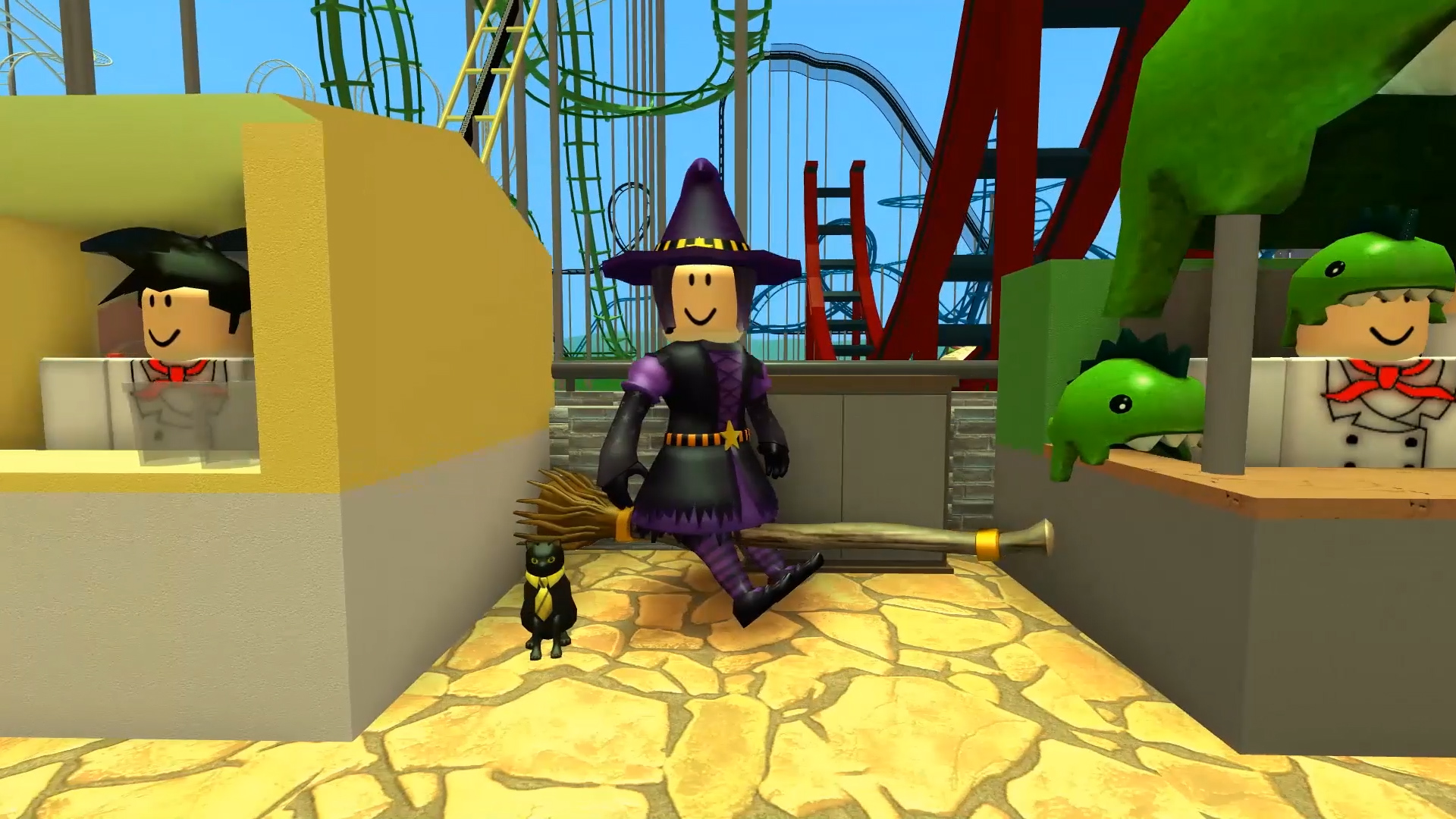
As parks grow, the environment changes alongside them. Empty plots transform into living attractions. Bright lights illuminate nighttime skylines. Guests move between rides with visible excitement. Small design decisions gradually become meaningful landmarks.
Theme Park Tycoon 2 captures a feeling many building games struggle to achieve:
The sense that you're creating a place rather than assembling objects.
Gameplay Mechanics and Core Systems
At its core, Theme Park Tycoon 2 combines management simulation, creative construction, economic progression, and sandbox design.
The gameplay loop appears straightforward:
-
Build attractions
-
Attract visitors
-
Earn money
-
Expand the park
-
Unlock new content
-
Improve efficiency
-
Repeat
Simple.
Yet surprisingly engaging.
The construction tools remain the heart of the experience. Players can place rides, pathways, scenery, food stalls, transportation systems, and decorative elements with remarkable freedom.
This flexibility transforms every park into a personal project.
Two players with identical budgets can create completely different experiences.
That creative ownership becomes incredibly addictive.
The economic systems add meaningful structure. Every attraction represents an investment. Every expansion requires planning. Players constantly balance creativity against efficiency.
I often found myself facing a familiar dilemma:
Build something profitable?
Or build something beautiful?
The answer usually became both.
Eventually.
Ride customization deserves particular praise. Designing roller coasters becomes a game within the game. Small adjustments to track design dramatically influence excitement, intensity, and overall guest satisfaction.
Some of my favorite hours were spent tweaking a single coaster repeatedly.
Not because I needed to.
Because I wanted it to feel perfect.
World Design and Player Immersion
Theme Park Tycoon 2 doesn't provide a giant open world.
Instead, it asks players to build one.
That distinction changes everything.
The map begins as empty potential.
Over time, players create environments that feel increasingly personal. Certain areas become associated with successful projects. Others remind you of mistakes, redesigns, or abandoned ideas.
My first park contained an awkward section where three different coaster projects collided disastrously.
Years later, I still remember it.
Not because it looked good.
Because fixing it taught me something.
The strongest parks develop identity naturally. A western-themed area feels distinct from a futuristic section. A family-friendly zone feels different from an extreme thrill ride district.
These spaces become memorable because players invest time and thought into them.
The immersion comes from ownership.
Every pathway exists because you placed it.
Every attraction exists because you imagined it first.
That connection creates emotional investment few management games achieve.
The Emotional Experience and Player Psychology
Theme Park Tycoon 2 thrives on delayed gratification.
Progress rarely happens instantly.
Great parks emerge gradually.
One ride becomes a section.
One section becomes a district.
One district becomes an entire destination.
This pacing creates a unique emotional experience.
Many modern games reward players every few minutes. Theme Park Tycoon 2 often asks players to think hours ahead.
That patience pays off.
The first time I stepped back and viewed an entire completed section from above, I experienced something surprisingly close to pride.
Not because the game told me to feel accomplished.
Because I genuinely was.
The progression psychology works because success remains visible. Players can literally see improvement occurring in real time.
Every expansion changes the landscape.
Every addition contributes to a larger vision.
The game transforms effort into visible results.
That feedback loop remains remarkably effective.
Real Gameplay Moments and Examples
One of my favorite memories involved a roller coaster that refused to work.
Everything looked correct.
The design seemed fine.
Yet guests hated it.
Repeatedly.
I spent nearly an hour adjusting track sections, testing layouts, modifying speeds, and changing scenery.
Eventually the ride became one of the park's most successful attractions.
The process was frustrating.
And strangely enjoyable.
Another memorable moment occurred late at night when I decided to redesign a small entrance area.
The task should have taken fifteen minutes.
Three hours later, half the park had been rebuilt.
The original goal disappeared completely.
Ideas kept appearing faster than I could implement them.
Creative games have a habit of doing that.
Theme Park Tycoon 2 excels at it.
Strengths and Weaknesses
Strengths
Theme Park Tycoon 2 excels in several areas:
-
Outstanding creative freedom
-
Deep construction systems
-
Rewarding progression
-
Strong economic management
-
Meaningful customization
-
Excellent replayability
-
Long-term player engagement
Most importantly, every achievement feels personal.
Success belongs entirely to the player.
Weaknesses
The game isn't perfect.
The learning curve can feel intimidating initially. Advanced construction techniques require patience and experimentation.
Progression occasionally slows during larger projects, particularly when significant financial investment becomes necessary.
Some players seeking constant action may find the pacing too relaxed.
Certain management systems also become repetitive after extensive play sessions.
Building, adjusting, optimizing.
The cycle repeats frequently.
Fortunately, creativity often offsets that repetition.
Advanced Perspective and Long-Term Replayability
Theme Park Tycoon 2 becomes more interesting with experience.
Beginners focus on functionality.
Veterans focus on artistry.
That evolution transforms the game entirely.
Early parks prioritize profit.
Later parks prioritize vision.
Experienced players begin experimenting with advanced coaster engineering, custom architecture, detailed landscaping, and themed environments.
The game evolves from simulation into creative expression.
This transition creates extraordinary replayability.
No park ever feels truly finished.
There is always another improvement waiting.
Another redesign.
Another idea.
The mastery curve remains surprisingly deep because creativity itself has no ceiling.
Trends, Popularity, and Community Growth
Theme Park Tycoon 2 continues benefiting from several long-term gaming trends:
-
Sandbox creativity
-
User-generated experiences
-
Management simulation gameplay
-
Building-focused progression
-
Social sharing communities
-
Long-form player engagement
These trends remain remarkably resilient.
Players enjoy creating things.
They enjoy showcasing those creations even more.
Content creation plays a significant role in the game's longevity. Park tours, coaster showcases, design challenges, tutorials, and architectural projects generate ongoing interest within the community.
According to broader Roblox creative-game trends, construction-focused experiences continue demonstrating strong retention due to high player ownership and personal investment. [Source: Roblox Creative Gaming Report, 2025]
Source:
-
The Rise of Creative Sandbox Experiences
-
Why Building Games Create Long-Term Engagement
-
The Psychology of Player Ownership
-
How Creativity Extends Replayability
-
The Evolution of Theme Park Simulation Games
The game's popularity reflects something simple:
People enjoy creating worlds they can call their own.
Comparison With Similar Games
Compared with Planet Coaster, Theme Park Tycoon 2 offers greater accessibility while maintaining impressive creative freedom.
Compared with RollerCoaster Tycoon Classic, it places stronger emphasis on player-built environments and social interaction.
Compared with many Roblox building experiences, Theme Park Tycoon 2 achieves a better balance between management systems and unrestricted creativity.
The result feels unique.
Structured enough to provide goals.
Flexible enough to encourage imagination.
Common Misunderstandings or Criticism
One common misconception is that Theme Park Tycoon 2 is simply a casual building game.
It can be.
But advanced park design reveals surprising complexity.
Coaster engineering, guest flow optimization, financial management, and visual design all contribute meaningfully to success.
Another criticism involves pacing.
This criticism is understandable.
Players expecting fast progression may find the gradual development process frustrating.
Yet that slower pace also creates stronger emotional attachment.
The parks matter because they require effort.
Not despite it.
There are also debates regarding complexity versus accessibility.
Some players want deeper simulation systems.
Others prefer simplicity.
Theme Park Tycoon 2 generally succeeds by remaining approachable while still offering room for mastery.
Reference:
-
How Creative Freedom Drives Retention
-
The Evolution of Theme Park Simulation Design
-
Balancing Accessibility and Complexity
-
Why Ownership Increases Emotional Investment
-
The Psychology of Long-Term Creative Projects
Final Verdict and Closing Thoughts
Theme Park Tycoon 2 succeeds because it understands something many games overlook.
Creation is satisfying.
Not because rewards appear.
Not because objectives are completed.
Because building something meaningful feels good.
The game transforms empty land into possibility. Every coaster, pathway, attraction, and decorative detail contributes to a larger story written entirely by the player. Progress feels personal because it is personal.
Its flaws are real. Certain systems become repetitive. Progress occasionally slows. New players may feel overwhelmed by creative freedom.
Yet the experience remains remarkably rewarding.
For players who enjoy management systems, creative sandbox gameplay, long-term progression, architectural experimentation, and the satisfaction of watching ideas become reality, Theme Park Tycoon 2 remains one of Roblox's finest building experiences.
And long after the park reaches profitability, the guests fill every pathway, and the skyline glows with lights, players continue returning for a familiar reason:
Somewhere inside the park, there is always one more idea waiting to be built.