
Game Online
All posts in this category
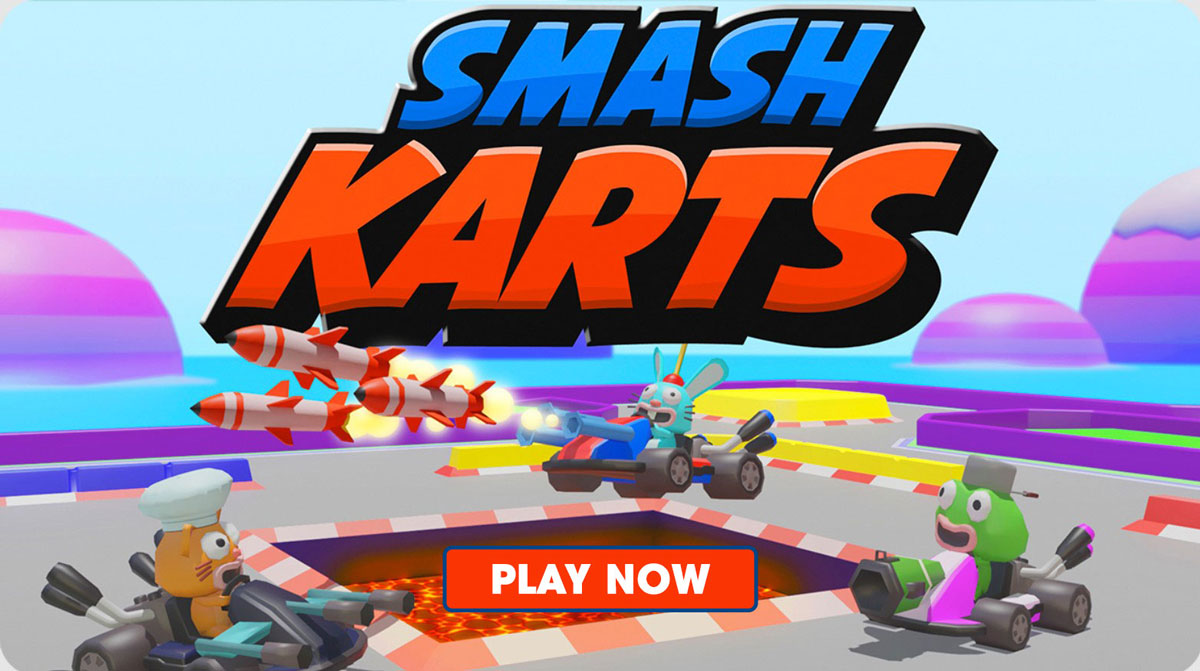
Smash Karts
Game Introduction Smash Karts is a fast-paced multiplayer kart battle game where players race around colorful arenas while collecting weapons and battling opponents in chaotic online matches. Combining arcade racing with action combat, the game delivers exciting gameplay filled with explosions, power-ups, and nonstop fun. How to Play Smash Karts Your objective is to drive around the arena, collect weapon boxes, eliminate opponents, and survive as long as possible to earn points and rewards. Controls Drive: W / A / S / D or Arrow Keys Shoot / Use Weapon: Spacebar Boost / Drift: Shift Gameplay Features Online Multiplayer Battles Compete against players worldwide in real-time kart combat matches. Powerful Weapons Collect rockets, machine guns, mines, and other fun weapons from mystery boxes. Colorful Arenas Battle across different maps filled with ramps, obstacles, and hidden shortcuts. Character & Kart Customization Unlock skins, helmets, and kart designs to personalize your character. Tips to Win Keep moving to avoid enemy attacks. Grab weapon boxes whenever possible. Use ramps and obstacles for quick escapes. Time your attacks carefully for maximum damage. With chaotic action, fun kart driving, and addictive multiplayer gameplay, Smash Karts is one of the most entertaining HTML5 battle racing games available online.
Roblox: Fruit Battlegrounds Review — Why Players Can’t Stop Chasing the Next Perfect Fight
A deep Roblox: Fruit Battlegrounds review exploring fast-paced PvP combat, fruit abilities, progression systems, replayability, and competitive mastery.
Roblox Review: Why Roblox Feels Less Like a Game and More Like a Living Digital Playground
A deep Roblox review exploring creativity, multiplayer chaos, player-driven worlds, and why millions still lose hours inside its evolving universe.

Roblox: Climb and Jump Tower Review — Why Players Can’t Stop Chasing the Top
A deep Roblox: Climb and Jump Tower review exploring vertical progression, multiplayer competition, parkour mechanics, and the addictive climb to the summit.
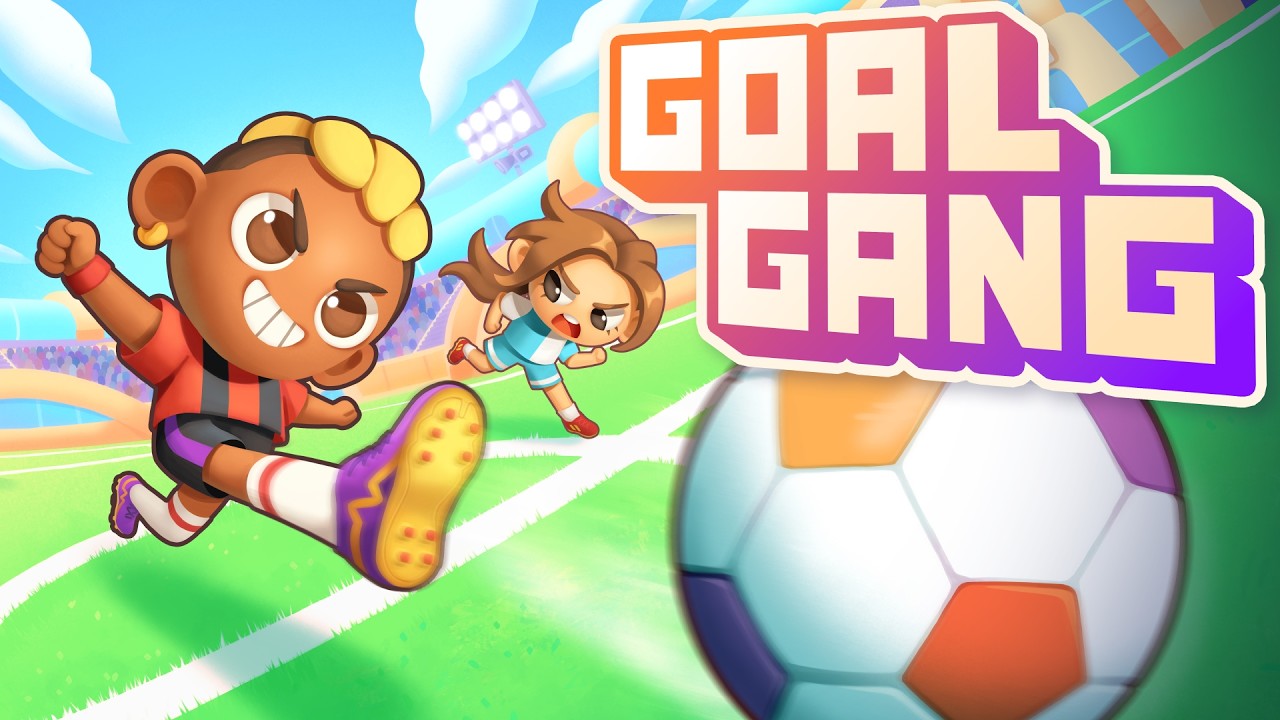
Goal Gang
Goal Gang – Game Introduction Goal Gang is a fun HTML5 soccer game where players join a lively team and compete in fast-paced football matches. The game focuses on quick passing, smart shooting, and exciting goal-scoring action, making it easy to play and enjoyable for soccer fans of all ages. How to Play Goal Gang Your objective is to outscore the opposing team before the match ends. Move your player, control the ball, pass to teammates, and shoot accurately to win each game. Controls Move: W / A / S / D or Arrow Keys Shoot: Spacebar or Left Mouse Button Pass: X or Right Mouse Button Sprint: Shift Pause: Esc Tips to Win Keep moving into open space. Pass before defenders get too close. Aim for the corners when shooting. Use sprint only when chasing or attacking. Watch the goalkeeper before taking a shot. With simple controls, energetic matches, and addictive soccer gameplay, Goal Gang is a great HTML5 game for players who enjoy quick football challenges.

Roblox: Anime Adventures Review — Why Players Keep Returning to This Tower Defense Phenomenon
A deep Roblox: Anime Adventures review exploring strategy, unit collection, progression, replayability, and why the game remains a fan favorite.
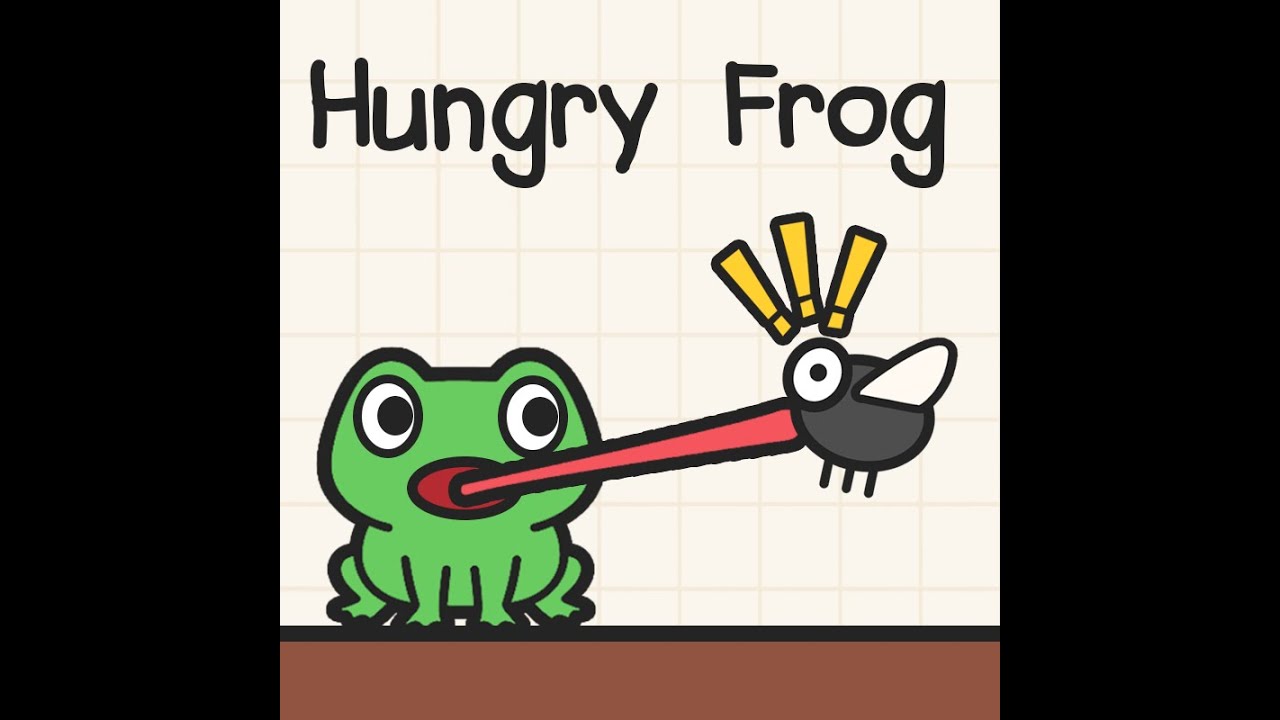
Hungry Frog
Hungry Frog – Game Introduction Hungry Frog is a fun and addictive HTML5 arcade puzzle game where you help a hungry frog catch as many insects as possible. Use quick reflexes and accurate timing to snap up flies, avoid dangerous obstacles, and complete increasingly challenging levels. With colorful graphics and simple controls, the game is perfect for players of all ages. How to Play Hungry Frog Your objective is to feed the frog by catching insects with its long tongue while avoiding hazards. Complete each level by reaching the required score or eating the target number of insects. Controls Aim: Mouse or Swipe Extend the Frog's Tongue: Left Mouse Button or Tap Pause: Esc Controls may vary slightly depending on the browser version of the game. Gameplay Features Fast-Paced Arcade Gameplay Catch flies, butterflies, and other insects while reacting quickly to moving targets. Challenging Levels Progress through increasingly difficult stages featuring faster insects and new obstacles. Simple One-Touch Controls Easy-to-learn controls make the game accessible, while precise timing adds an enjoyable challenge. Colorful Environments Play across vibrant ponds, forests, and nature-themed locations with charming animations. Tips to Win Wait for insects to move into a clear position before striking. Avoid snapping at dangerous objects or enemies. Time your tongue carefully to catch multiple insects in quick succession. Stay patient—accuracy is often more important than speed. Practice your timing to improve your reaction speed and score higher. With charming visuals, satisfying gameplay, and addictive reflex-based challenges, Hungry Frog is a delightful HTML5 game for players who enjoy casual arcade and puzzle experiences.
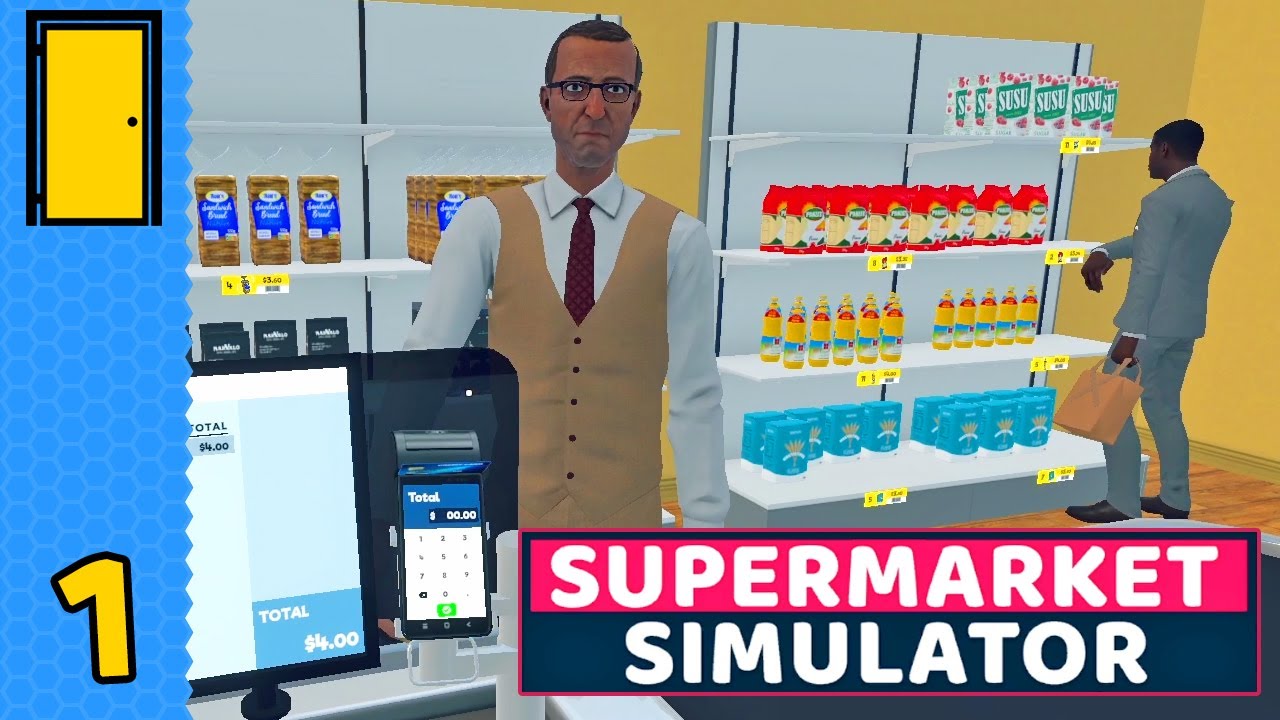
Supermarket Simulator: Store Manager
Supermarket Simulator: Store Manager is a dynamic retail experience where you juggle cashier duties and store management. Scan items, process payments, and keep customers happy while managing stock and organizing shelves. As challenges intensify, you’ll grow your store and meet rising demand. Can you handle the rush and build a thriving supermarket empire? Controls WASD to move Mouse to look around Left shift to Sprint Space to Jump Left click to interact with objects Tab to leave/finish activity E to open/close box R to rotate furniture when moving R to see reputation P to pause Z to skip delivery by watching ads X to skip delivery by spending energy
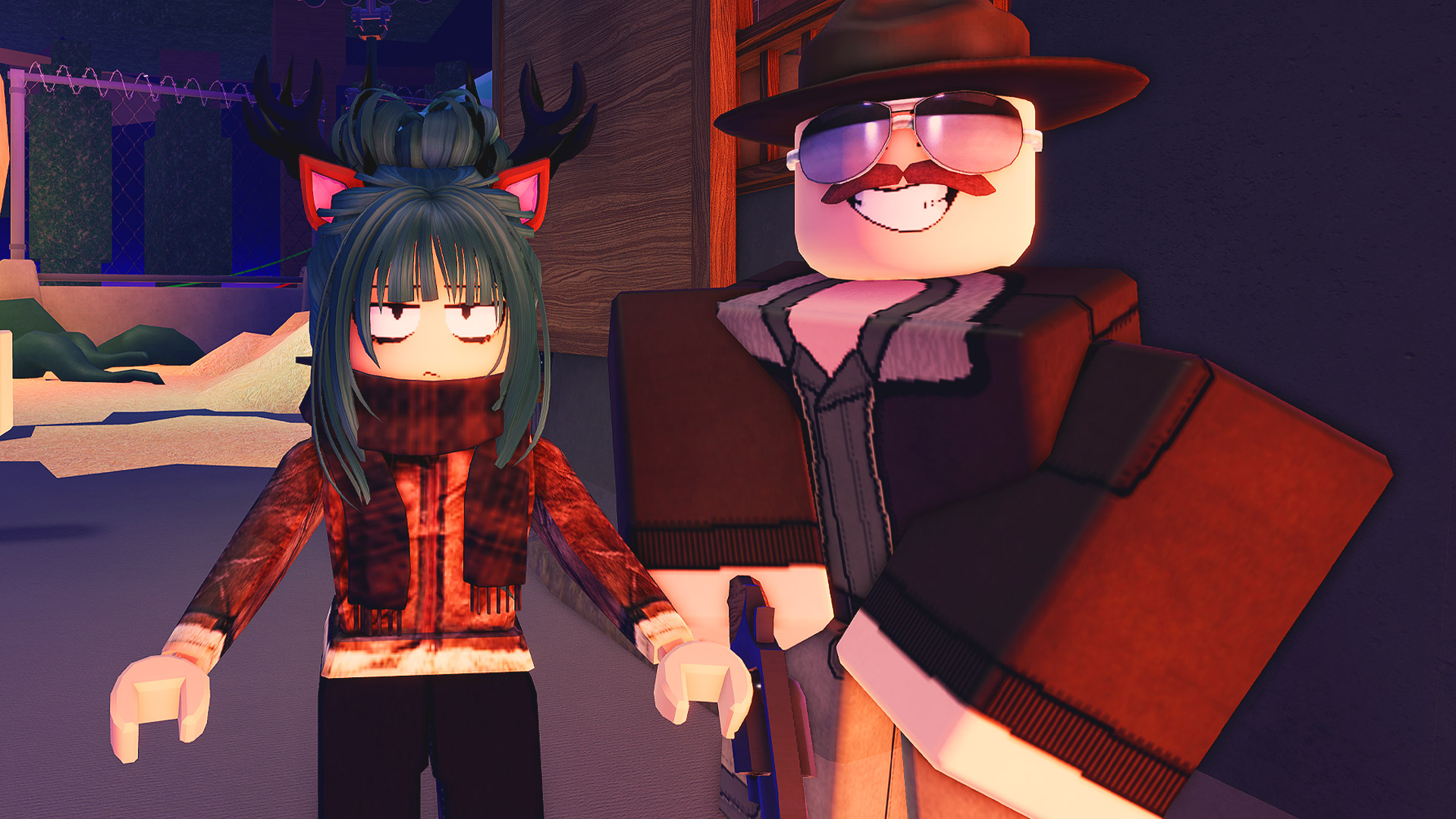
How to Survive and Dominate Roblox: 99 Nights in the Wild West Before the Wilderness Breaks You
Introduction to Roblox: 99 Nights in the Wild West Roblox and 99 Nights in the Wild West combine survival tension, exploration, strategy, and unpredictable wilderness storytelling inside a dangerous frontier world. There’s a certain type of game that doesn’t immediately overwhelm players with explosions or nonstop action. Instead, it slowly builds tension. You begin with limited supplies. Weak equipment. Minimal protection. A massive environment that feels beautiful during daylight — and terrifying once darkness arrives. That’s the feeling many players experience during their first hours inside 99 Nights in the Wild West. At first, the game feels manageable. You gather resources. Explore unfamiliar land. Build small defenses. Hunt for supplies. But then the nights become longer. Enemies become more aggressive. Resources feel scarce. And suddenly survival no longer feels guaranteed. That shift is exactly what makes the experience so compelling. 99 Nights in the Wild West succeeds because it transforms ordinary survival mechanics into emotional storytelling. Every decision matters more over time. Every mistake feels heavier. Every successful night feels earned. And in today’s gaming landscape — where many experiences prioritize instant gratification — that slower, pressure-driven design feels surprisingly refreshing. Deep Analysis: Why 99 Nights in the Wild West Feels So Immersive Most survival games rely on predictable loops: gather resources, build shelter, repeat. But 99 Nights in the Wild West creates something more emotionally layered. The game constantly balances freedom with vulnerability. Players are never completely safe. Even experienced survivors understand that one poorly timed decision can quickly escalate into disaster. This vulnerability creates emotional investment. Because when survival feels uncertain, players become more attached to progress. Simple moments suddenly gain meaning: finding food before nightfall, hearing danger nearby, defending limited supplies, or surviving an attack with almost no health remaining. These situations generate natural tension without requiring cinematic storytelling. And tension is one of the most powerful tools in game design. According to player retention studies, survival-focused multiplayer games maintain strong engagement because uncertainty creates emotional intensity that scripted experiences often cannot replicate [Source: Newzoo, 2025]. 99 Nights in the Wild West benefits heavily from this principle. The game world feels unpredictable enough that players remain mentally engaged constantly. The Emotional Psychology of Survival Gameplay One reason survival games resonate so deeply is because they simplify human instincts into gameplay systems. Shelter. Resources. Safety. Preparation. These concepts feel naturally understandable even inside fictional environments. 99 Nights in the Wild West uses these instincts effectively through environmental pressure. During daytime, players often feel optimistic. There’s time to gather materials. Explore distant areas. Prepare defenses. But nighttime changes everything emotionally. Darkness transforms familiar environments into threats. Limited visibility increases tension. Supplies suddenly feel more valuable. Silence becomes unsettling. This emotional contrast keeps gameplay psychologically engaging. The game teaches players an important survival principle: comfort is temporary. And because players never feel fully secure, progression remains meaningful. Practical Survival Strategies and Gameplay Tips One of the biggest beginner mistakes is underestimating preparation. New players often spend too much time exploring early without securing stable resources first. Experienced survivors usually prioritize: food sustainability, defensive positioning, storage organization, and nighttime planning. In survival-focused environments, consistency matters more than speed. Another critical mistake involves greed. Many players push exploration too aggressively while carrying valuable resources. This often leads to unnecessary losses that slow progression significantly. Veteran players understand pacing. Sometimes retreating safely is smarter than risking everything for short-term rewards. Mobility also becomes increasingly important later in the game. Efficient movement: conserves resources, reduces vulnerability, and improves reaction time during dangerous encounters. Small mechanical habits eventually create enormous survival advantages. Storytelling Through Fear, Isolation, and Persistence Unlike heavily scripted games, 99 Nights in the Wild West creates emotional stories naturally through player experience. A player narrowly survives a nighttime attack with almost no supplies left. Another becomes stranded far from camp during a storm. Someone else loses hours of progress because of one reckless decision. These moments feel memorable because they emerge organically. The wilderness itself becomes part of the storytelling. Harsh environments create emotional atmosphere without requiring dialogue or cutscenes constantly. That’s one reason survival games often produce stronger player memories than purely action-focused experiences. The emotions feel personal. Players remember not just what happened — but how vulnerable they felt while it happened. Source: Why Survival Games Create Strong Emotional Engagement The Psychology of Fear and Tension in Gaming How Sandbox Survival Games Retain Players Longer The Rise of Emergent Storytelling in Multiplayer Games Gaming Communities and Shared Survival Experiences Another major reason the game continues growing is its multiplayer dynamic. Survival experiences become significantly more emotional when cooperation and trust enter the equation. Players form alliances. Share resources. Defend camps together. Or sometimes betray each other unexpectedly. These social dynamics create stories developers could never fully script manually. And unpredictability keeps communities engaged long-term. Expert Insights and Common Mistakes Players Make One recurring mistake among inexperienced players is focusing entirely on offense. Weapons matter, but survival usually depends more heavily on preparation and positioning. Experienced players often invest heavily in: resource efficiency, environmental awareness, escape planning, and defensive organization. Another common issue is poor risk management. Survival games punish emotional decision-making harshly. Panicking during attacks or overcommitting during exploration often creates avoidable losses. Veteran players stay calm because they understand something important: most survival failures begin long before the actual danger appears. They begin during preparation. A third mistake involves ignoring teamwork potential. Even players who prefer solo exploration benefit enormously from temporary alliances, shared knowledge, and coordinated defense systems. The wilderness becomes far less forgiving in later stages without strategic cooperation. The Advanced Perspective: Why the Game Feels So Addictive 99 Nights in the Wild West creates addictive engagement loops through emotional uncertainty. Players constantly feel suspended between progress and danger. That balance matters psychologically. If survival becomes too easy, tension disappears. If difficulty becomes overwhelming, frustration replaces immersion. The game succeeds because it maintains instability carefully. Players never fully relax. That lingering uncertainty creates anticipation continuously: Will supplies last? Is the camp secure enough? What happens after the next night? How dangerous will exploration become farther away? Anticipation is emotionally powerful because it keeps the brain engaged between gameplay moments. The game also benefits from long-term progression psychology. Survival feels more meaningful when players know it can still be lost. That risk increases emotional attachment dramatically. Trends, Data, and the Rise of Survival Experiences on Roblox The increasing popularity of survival-focused experiences reflects larger industry trends. Modern players increasingly seek: emergent storytelling, long-term progression, social interaction, and emotionally dynamic gameplay. Roblox itself has evolved beyond simple casual entertainment into a platform supporting surprisingly complex multiplayer ecosystems. According to gaming analytics reports, survival and sandbox genres continue showing strong engagement among North American audiences because they encourage replayability and player-generated experiences [Source: Statista, 2025]. Games like 99 Nights in the Wild West thrive because no two sessions unfold exactly the same way. That variability creates long-term freshness. Streaming platforms have also amplified the popularity of survival gameplay enormously. Viewers enjoy unpredictability. Unexpected encounters. High-risk situations. Last-second escapes. These moments create natural entertainment value without requiring scripted drama. Comparing 99 Nights in the Wild West to Other Survival Games Many survival games focus heavily on realism. Others emphasize horror. Some prioritize crafting complexity. 99 Nights in the Wild West stands out because of atmosphere. Its western frontier setting creates a slower emotional rhythm compared to traditional survival experiences. The environment feels isolated rather than purely hostile. Danger builds gradually instead of constantly overwhelming players. This pacing creates stronger suspense. Another difference involves accessibility. Some survival games overwhelm beginners with complicated systems immediately. 99 Nights in the Wild West introduces mechanics more gradually, allowing players to learn through experience naturally. That balance helps broaden appeal while still preserving long-term depth. The game also benefits from social unpredictability. Human interaction often becomes just as dangerous — or valuable — as environmental threats. That social tension creates memorable gameplay constantly. Reference: The Future of Multiplayer Survival Games Why Uncertainty Increases Emotional Engagement in Gaming Streaming Culture and the Rise of Survival Content How Emergent Multiplayer Systems Create Replayability Community-Driven Experiences in Modern Online Gaming Another important distinction is emotional pacing. Many action-heavy games rely on constant stimulation. 99 Nights in the Wild West often creates stronger emotional moments through silence: distant sounds in darkness, empty landscapes, fading campfires, limited supplies, and uncertainty about what might happen next. These quieter moments create psychological immersion that pure action games sometimes struggle to achieve. Common Concerns and Misunderstandings Around the Game Some players initially assume the game revolves purely around grinding resources. But survival progression only represents part of the experience. The real emotional core comes from adaptation. Every session forces players to adjust strategies based on changing conditions, resource limitations, and environmental threats. Another misconception is that solo play is impossible. While teamwork certainly helps, many experienced players enjoy the heightened tension and immersion that solo survival creates. The game also gets misunderstood as “simple” because of its visual style. In reality, emotional complexity matters far more than graphical realism. Strong survival games succeed through atmosphere, pacing, and player-driven storytelling — not just visuals. Final Thoughts and What Comes Next 99 Nights in the Wild West succeeds because it understands something many survival games overlook: Fear alone is not enough. Players also need hope. Progress. Discovery. Moments of calm between danger. That emotional balance transforms ordinary survival mechanics into meaningful experiences players remember long after logging off. The wilderness feels dangerous. But it also feels alive. And perhaps that’s why so many players continue returning night after night. Not simply to survive. But to prove they can adapt to a world that never fully stops testing them. References Newzoo. (2025). Survival Gaming Engagement and Retention Report. Statista. (2025). North American Sandbox and Survival Gaming Trends. Psychology Today. (2024). Fear, Tension, and Emotional Investment in Interactive Media. GameAnalytics. (2025). Player Retention Patterns in Multiplayer Survival Experiences. GamesIndustry.biz. (2025). The Evolution of Emergent Survival Gameplay.
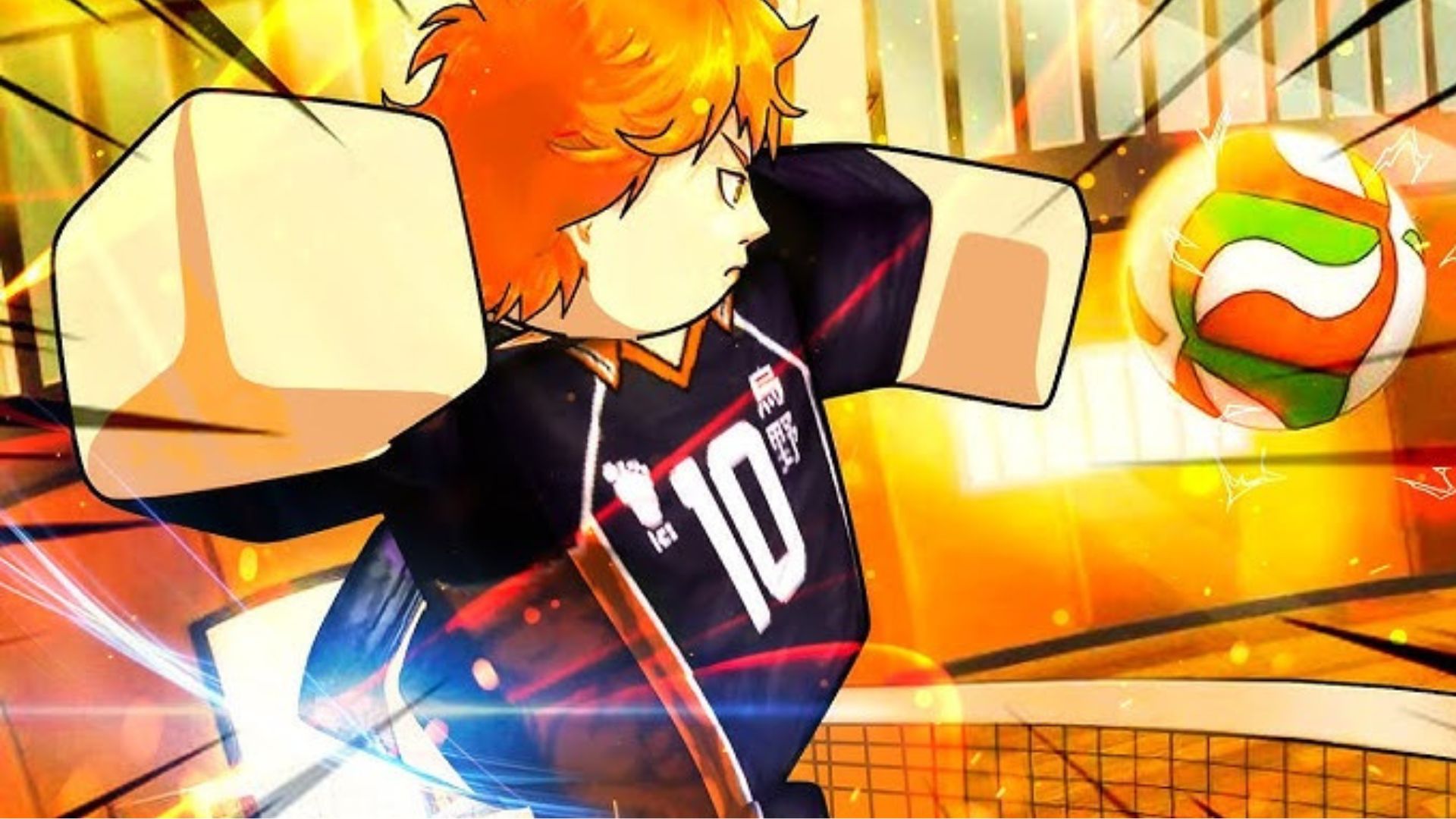
Roblox: Haikyuu Legends Review — Why Players Can’t Stop Chasing the Perfect Spike
Short Introduction Roblox: Haikyuu Legends transforms volleyball into a thrilling competitive experience where teamwork, timing, and determination create unforgettable moments. First Impressions and Atmosphere The first match in Haikyuu Legends feels deceptively simple. A volleyball court. Two teams. One ball. One objective. Then the match begins. Suddenly, the court feels much smaller than expected. Every movement matters. Every mistake becomes visible. Every successful play creates a burst of excitement that echoes through the entire arena. Unlike many Roblox sports games that focus heavily on flashy effects, Haikyuu Legends succeeds because it captures tension. Real tension. The atmosphere mirrors the emotional energy that makes competitive volleyball so compelling. Long rallies create anticipation. Perfectly timed blocks generate momentum. Last-second saves create panic and excitement simultaneously. I remember my first genuinely competitive match. The score was tied. The rally lasted far longer than expected. Neither team wanted to make the mistake that would decide the game. For several seconds, nobody seemed willing to breathe. When the final point arrived, the reaction felt far more intense than a simple Roblox match had any right to feel. That emotional investment became one of the game's greatest strengths. The visual design embraces bright anime-inspired aesthetics without sacrificing readability. Character animations remain expressive, while courts, arenas, and effects create energy without becoming overwhelming. The world feels competitive. But also welcoming. A difficult balance. Haikyuu Legends manages it surprisingly well. Gameplay Mechanics and Core Systems At its core, Haikyuu Legends revolves around a deceptively challenging gameplay loop: Position correctly Receive the ball Coordinate with teammates Execute attacks Defend effectively Score points Improve through repetition The concept appears straightforward. The execution isn't. Timing becomes everything. Players quickly learn that volleyball mechanics rely on precision rather than brute force. Successful spikes require positioning. Blocks require anticipation. Receives require quick reactions. Sets require awareness. The game rewards understanding. Not button mashing. One aspect that impressed me was how naturally skill progression occurs. Early matches feel chaotic. Players chase the ball without structure. Coordination breaks down constantly. Then something changes. You begin recognizing patterns. Reading opponents. Anticipating trajectories. Understanding positioning. The game becomes deeper with every hour played. Character progression systems provide additional motivation. Unlockables, customization options, player development, and progression goals create a satisfying sense of growth without overshadowing skill-based gameplay. The result is a competitive experience where mechanical improvement matters as much as numerical progression. World Design and Player Immersion Haikyuu Legends doesn't rely on massive open worlds. Its immersion comes from focus. The court becomes the world. Every section matters. Every position carries responsibility. The confined playing area creates remarkable emotional intensity. Players become familiar with every corner of the court because success depends on understanding spatial relationships constantly. I found myself developing strange attachments to specific positions. Certain areas felt comfortable. Others felt dangerous. Not because the game told me so. Because experience taught me. The arenas themselves contribute significantly to immersion. Crowds, visual effects, environmental design, and match presentation create the feeling of participating in meaningful competition rather than casual recreation. The atmosphere grows stronger during close matches. Especially late at night. When every point feels important. When every mistake feels personal. When the game stops feeling like a game and starts feeling like a competition. The Emotional Experience and Player Psychology Haikyuu Legends understands competitive psychology remarkably well. The game creates emotional investment through teamwork. Individual skill matters. Team coordination matters more. That distinction changes everything. Victories feel shared. Defeats feel collective. Success becomes more meaningful because players rarely achieve it alone. One of the most powerful emotional experiences in the game comes from improvement itself. Early mistakes become future strengths. Missed receives become successful saves. Failed blocks become highlight moments. Players witness their own growth directly. The progression feels earned. Not granted. Another important factor is unpredictability. Every match feels different. Different teammates. Different opponents. Different situations. That variety keeps emotional engagement remarkably high. Real Gameplay Moments and Examples One match remains particularly memorable. Our team was losing badly. Communication felt disorganized. Mistakes piled up. Everything suggested an inevitable defeat. Then momentum shifted. A successful block led to a point. That point created confidence. Confidence improved coordination. Coordination created opportunities. Suddenly the match became competitive again. The comeback wasn't dramatic enough to become a viral clip. But it remains one of my favorite gaming memories because every player contributed. Another memorable moment involved a failed spike. At least, it was supposed to be a failed spike. I mistimed the attack completely. The ball bounced awkwardly. The opposing team hesitated. Nobody expected it. The point somehow worked. Everyone involved seemed equally confused. The match chat became more entertaining than the point itself. Sports games thrive on unpredictability. Haikyuu Legends understands that perfectly. Strengths and Weaknesses Strengths Haikyuu Legends excels in several important areas: Strong volleyball mechanics Meaningful teamwork systems High skill ceiling Competitive depth Excellent replayability Satisfying progression Strong match pacing Most importantly, success feels earned. Players improve because they learn. Not because statistics increase. Weaknesses The game isn't flawless. New players may find the learning curve intimidating. Volleyball mechanics require precision, and early mistakes can feel frustrating. Match quality depends heavily on teammates. Strong coordination creates incredible experiences, while poor communication can reduce enjoyment significantly. Balance discussions occasionally emerge regarding specific abilities, roles, or character builds. Certain progression systems may also feel slow for players seeking immediate rewards. Patience remains important. Improvement takes time. Advanced Perspective and Long-Term Replayability Haikyuu Legends becomes increasingly rewarding as player skill improves. The early game teaches mechanics. The mid-game teaches strategy. The late game teaches mastery. These stages feel distinct. Experienced players begin analyzing positioning, opponent tendencies, timing windows, and advanced team coordination. The game evolves from reaction-based gameplay into strategic competition. That evolution creates remarkable longevity. Many sports games become repetitive. Haikyuu Legends avoids this because no two matches unfold identically. Human opponents guarantee variety. The community further strengthens replayability. Competitive discussions, gameplay highlights, strategy guides, team formation, and content creation generate ongoing engagement. Players don't simply play matches. They analyze them. Trends, Popularity, and Community Growth Haikyuu Legends benefits from several major trends within Roblox gaming: Anime-inspired sports experiences Competitive multiplayer gameplay Skill-based progression Team-focused mechanics Content creator engagement Replay-driven communities Sports-focused Roblox experiences continue attracting players who want competition without relying exclusively on combat systems. Haikyuu Legends occupies this niche effectively. The game's content creation appeal also contributes to growth. Highlight plays, dramatic rallies, clutch saves, and tournament-style matches generate highly shareable moments. According to broader Roblox competitive gaming trends, skill-based multiplayer experiences continue demonstrating strong player retention through community engagement and repeat match participation. [Source: Roblox Competitive Trends Report, 2025] Source: The Rise of Competitive Sports Games on Roblox Why Team-Based Gameplay Builds Strong Communities The Psychology of Competitive Improvement How Multiplayer Rivalries Drive Retention The Evolution of Anime-Inspired Sports Experiences The game's success reflects growing demand for competitive experiences centered around teamwork rather than combat. Comparison With Similar Games Compared with Volleyball Legends, Haikyuu Legends often places greater emphasis on anime-inspired presentation and character identity. Compared with Rocket League, it relies more heavily on team positioning and technical execution rather than constant mechanical chaos. Compared with many Roblox sports experiences, Haikyuu Legends offers a stronger balance between accessibility and mastery. The difference lies in emotional design. The game wants players to care about every point. And most of the time, they do. Common Misunderstandings or Criticism One common misconception is that Haikyuu Legends rewards only individual talent. Not true. Individual skill helps. Teamwork wins matches. Players who ignore coordination often struggle regardless of mechanical ability. Another criticism involves pacing. Some players expect constant action and become frustrated by positioning, setup plays, or defensive sequences. Yet these moments create tension. Without them, successful spikes would feel meaningless. There are also ongoing discussions regarding balance and progression systems. Such debates are inevitable in competitive games. The important point is that the core volleyball mechanics remain strong enough to support long-term competition. Reference: How Teamwork Creates Emotional Investment The Evolution of Competitive Sports Gaming Balancing Skill and Accessibility in Multiplayer Games Why Match Variety Improves Replayability The Psychology of Competitive Mastery Final Verdict and Closing Thoughts Haikyuu Legends succeeds because it understands something many competitive games forget. Players don't remember statistics. They remember moments. The impossible save. The perfect set. The match-winning spike. The comeback nobody expected. The game transforms volleyball into a compelling competitive experience built on teamwork, skill, progression, and emotional investment. Every match creates opportunities for improvement. Every mistake becomes a lesson. Every victory feels genuinely earned. Its flaws are real. The learning curve can be intimidating. Team quality varies dramatically. Progression occasionally feels slow. Yet the experience remains remarkably engaging. For players who enjoy competitive multiplayer gameplay, teamwork-focused mechanics, skill-based progression, and the emotional highs that only sports games can create, Haikyuu Legends stands among Roblox's most rewarding competitive experiences. And long after the final whistle blows, players continue returning to the court for one simple reason: Somewhere in the next match, another perfect rally is waiting to become a memory.
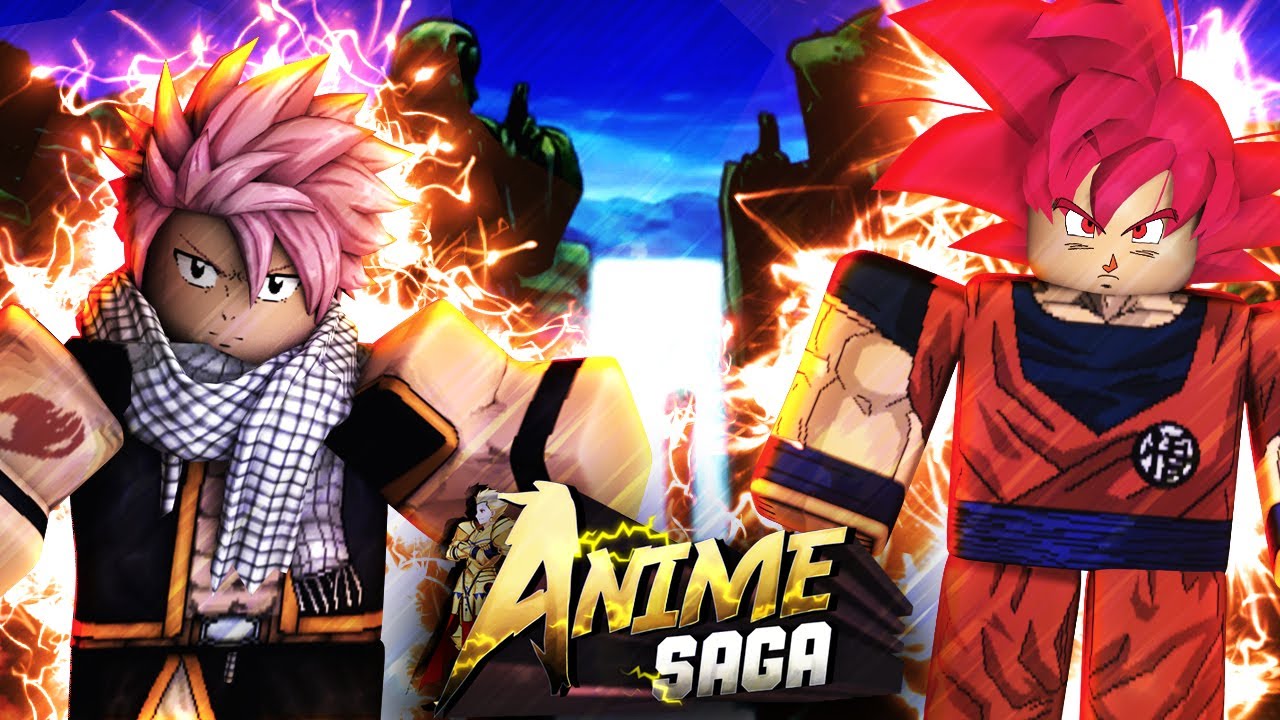
Roblox: Anime Saga Review — Why Players Can’t Stop Chasing the Next Battle
Short Introduction Roblox: Anime Saga blends fast-paced combat, anime-inspired progression, and rewarding exploration into an action RPG that constantly pushes players forward. First Impressions and Atmosphere The first thing that stood out to me about Anime Saga wasn't a weapon. It wasn't a boss. It wasn't even the combat system. It was momentum. Many Roblox anime games spend their opening hours explaining systems, introducing currencies, and gradually unlocking features. Anime Saga feels different. The world immediately suggests movement. Enemies roam nearby. Quests wait around every corner. Stronger players rush past with abilities that hint at possibilities far beyond your current understanding. The atmosphere is driven by ambition. You enter the world weak. Everyone around you seems powerful. That contrast creates curiosity. The visual presentation embraces colorful anime-inspired environments without becoming overwhelming. Cities feel busy. Battlefields feel dangerous. Training areas hum with activity. Every location communicates progression. One evening, after completing several quest chains, I stopped on a cliff overlooking a glowing landscape below. For a moment, the combat disappeared. The objectives disappeared. There was only the world. Moments like that matter. They remind players that progression feels more meaningful when attached to memorable places. The sound design supports the experience effectively. Ability impacts feel heavy. Movement sounds remain responsive. Combat effects create excitement without drowning out everything else. The world feels alive. Not because it tells you it is. Because it behaves that way. Gameplay Mechanics and Core Systems At its core, Anime Saga revolves around a familiar action RPG formula. Defeat enemies. Complete quests. Strengthen your character. Unlock new abilities. Challenge stronger content. Repeat. The structure isn't revolutionary. The execution is what matters. Combat remains the centerpiece of the experience. Movement feels fluid, attacks feel responsive, and progression creates noticeable differences in power. Early encounters that once felt challenging eventually become effortless. That sensation never gets old. Players can develop different combat styles through abilities, equipment choices, and character progression. Some builds emphasize raw damage. Others focus on mobility, area attacks, or survivability. This flexibility creates experimentation. And experimentation creates replayability. I spent an entire evening testing different ability combinations rather than advancing the main progression path. Objectively, it wasn't efficient. Emotionally, it was one of the most enjoyable sessions I had. The game rewards curiosity almost as much as efficiency. The progression systems reinforce this design philosophy. Levels, equipment upgrades, resource collection, and ability improvements create multiple paths toward growth. There is always something improving. Always another goal. Always another reason to continue. World Design and Player Immersion Anime Saga's world succeeds because it encourages movement. Players rarely stay in one location for long. New quests lead to unfamiliar regions. Stronger enemies occupy distant zones. Better rewards wait beyond current boundaries. Exploration becomes progression. That distinction is important. Many RPGs separate advancement from discovery. Anime Saga frequently combines them. Every new area feels like a reward. Not merely a requirement. The environments themselves offer strong visual variety. Different regions establish distinct identities through architecture, terrain, enemy types, and environmental storytelling. Over time, these locations become associated with personal experiences. A training ground reminds you of early struggles. A dangerous region becomes connected to a memorable boss victory. A particular city feels familiar because you spent countless hours preparing for future challenges there. These memories create immersion. Not through scripted narratives. Through player experiences. The Emotional Experience and Player Psychology Anime Saga thrives on anticipation. The game constantly suggests future possibilities. A stronger ability. A better weapon. A higher level. A difficult challenge. Every accomplishment reveals another objective. Yet the progression rarely feels exhausting because rewards arrive consistently. Players experience regular moments of satisfaction. Small victories matter. The emotional cycle becomes remarkably effective: Effort creates progress. Progress creates confidence. Confidence encourages risk-taking. Risk-taking leads to discovery. Discovery creates new goals. The process repeats naturally. One aspect I found particularly interesting was how attached I became to specific abilities. Certain skills remained favorites long after stronger alternatives became available. They felt familiar. Reliable. Part of my character's identity. That emotional attachment cannot be measured through statistics. Yet it significantly influences long-term engagement. Real Gameplay Moments and Examples One of my favorite memories involved a boss encounter I approached far too early. The warning signs were obvious. The recommended level suggested caution. My confidence suggested otherwise. The fight lasted approximately thirty seconds. Most of those seconds were spent realizing my mistake. The defeat was immediate. And strangely memorable. A few days later, I returned stronger and better prepared. The rematch felt entirely different. What had once seemed impossible now felt manageable. Those moments define progression-based games. Not the victories themselves. The contrast between who you were and who you became. Another memorable experience occurred during a late-night exploration session. I wandered into an area I hadn't planned to visit and discovered an entirely new set of challenges. The original objective disappeared. Curiosity took control. Three hours later, I finally remembered what I had intended to do. Good RPGs create detours. Great RPGs make those detours memorable. Strengths and Weaknesses Strengths Anime Saga delivers several notable strengths: Fast and satisfying combat Strong progression systems Meaningful exploration Flexible character development Engaging world design High replayability Consistent sense of advancement Most importantly, the game maintains momentum. Players rarely feel directionless. Weaknesses The game is not without flaws. Grinding becomes increasingly noticeable during later progression stages. Certain upgrades require significant resource investment, slowing pacing temporarily. Quest structures occasionally become repetitive. While the environments remain interesting, objectives sometimes rely heavily on defeating large groups of enemies. Balance discussions also emerge around certain abilities and equipment combinations. As with many progression-focused RPGs, some options inevitably outperform others. The complexity of multiple progression systems may overwhelm newcomers initially. Patience helps. A lot. Advanced Perspective and Long-Term Replayability Anime Saga becomes more interesting as players gain experience. The early game focuses on learning systems. The mid-game emphasizes optimization. The late game revolves around mastery. These phases feel distinct. Experienced players begin understanding resource efficiency, ability synergy, enemy patterns, and progression planning in ways newer players cannot. The game transforms. Not mechanically. Psychologically. Veterans see opportunities where newcomers see obstacles. That mastery curve creates long-term retention. Community engagement strengthens this further. Players discuss builds, progression routes, challenge strategies, update changes, and optimization techniques constantly. The game becomes a conversation. Not merely an activity. Trends, Popularity, and Community Growth Anime Saga aligns with several powerful trends within Roblox gaming: Anime-inspired experiences Action RPG progression Multiplayer cooperation Character customization Collection systems Live-service updates These trends continue attracting large audiences across the platform. Content creation plays a major role as well. Build guides, progression videos, boss showcases, update reviews, and challenge runs generate ongoing visibility. Players enjoy learning. They enjoy sharing discoveries. Anime Saga benefits from both behaviors. According to broader Roblox RPG engagement trends, progression-focused anime experiences continue maintaining strong player retention through regular content updates and community interaction. [Source: Roblox RPG Engagement Report, 2025] Source: The Rise of Anime-Inspired Action RPGs Why Progression Systems Drive Long-Term Engagement The Psychology of Character Growth How Exploration Improves Player Retention The Evolution of Multiplayer RPG Communities The game's popularity reflects broader player demand for experiences that combine action and progression effectively. Comparison With Similar Games Compared with Anime Adventures, Anime Saga places far greater emphasis on direct player combat and active engagement. Compared with Blox Fruits, it often feels more focused on structured progression and character development. Compared with many anime-inspired Roblox RPGs, Anime Saga strikes a stronger balance between accessibility and depth. The differences are subtle. But meaningful. Anime Saga succeeds because it prioritizes player involvement. Every battle feels personal. Common Misunderstandings or Criticism One common misconception is that Anime Saga becomes enjoyable only after significant progression. Not true. The later content offers greater depth, but the core combat systems remain engaging from the beginning. Another criticism focuses on grinding. This criticism is fair. Certain progression milestones require substantial time investment. Players seeking constant novelty may find repetition frustrating. Some community discussions also revolve around balance concerns. Again, understandable. Any game built around evolving progression systems faces similar challenges. The important point is that the underlying gameplay remains strong enough to support those systems. Reference: How Action RPGs Sustain Long-Term Interest Balancing Progression and Accessibility The Evolution of Anime Gaming Communities Why Character Investment Drives Retention The Relationship Between Mastery and Replayability Final Verdict and Closing Thoughts Anime Saga succeeds because it understands something essential about RPG design. Players don't simply want rewards. They want growth. The game transforms combat, exploration, progression, and discovery into a journey that feels consistently rewarding. Every level matters. Every ability matters. Every challenge contributes to a larger sense of advancement. Its flaws are real. Grinding exists. Certain systems become repetitive. Balance discussions continue evolving. Yet the overall experience remains compelling. For players who enjoy anime-inspired adventures, action RPG progression, exploration systems, character customization, and the satisfaction of becoming stronger through effort, Anime Saga offers one of Roblox's more engaging long-term experiences. And long after the newest ability has been unlocked, the strongest enemy defeated, and the next objective completed, players continue returning for a familiar feeling: The sense that somewhere ahead, another challenge is waiting to reveal just how far they've come.

Bicycle Kick Champ
Bicycle Kick Champ – Game Introduction Bicycle Kick Champ is an exciting HTML5 soccer game where spectacular bicycle kicks are the key to victory. Time your jumps perfectly, perform stunning overhead kicks, and score incredible goals in fast-paced arcade-style matches. With simple controls, dynamic animations, and increasingly challenging opponents, every goal feels like a highlight-reel moment. How to Play Bicycle Kick Champ Your objective is to score as many goals as possible using perfectly timed bicycle kicks. Watch the ball carefully, jump at the right moment, and strike with precision to beat the goalkeeper and earn the highest score. Controls Move: Left / Right Arrow Keys or A / D Jump: Up Arrow, W, or Spacebar Perform Bicycle Kick: Press the Kick Button (Spacebar or Left Mouse Button, depending on the version) Pause: Esc Note: Controls may vary slightly depending on the browser version of the game. Gameplay Features Spectacular Bicycle Kicks Master acrobatic overhead kicks to score stylish and powerful goals. Fast-Paced Arcade Action Enjoy quick matches that focus on timing, reflexes, and precision rather than complex controls. Challenging Goalkeepers Face increasingly skilled goalkeepers and defenders as you progress through the game. High Score Challenge Score consecutive goals, improve your accuracy, and compete for the highest score. Tips to Win Watch the ball's trajectory before jumping. Time your bicycle kick carefully for maximum power and accuracy. Aim for the corners of the goal whenever possible. Stay patient and avoid kicking too early. Practice your timing to perform consistent overhead shots. With simple controls, spectacular acrobatic goals, and addictive arcade gameplay, Bicycle Kick Champ is a fun HTML5 soccer game that rewards precision, timing, and skill.